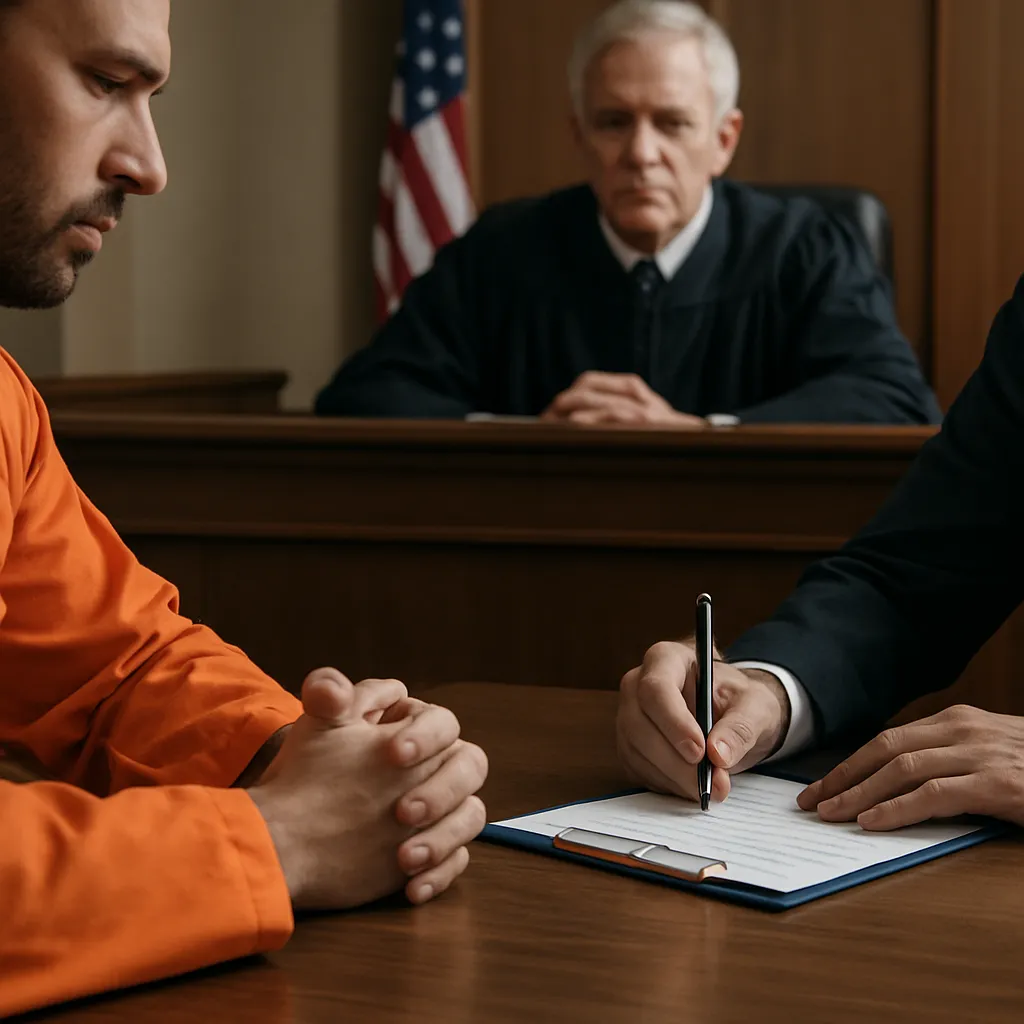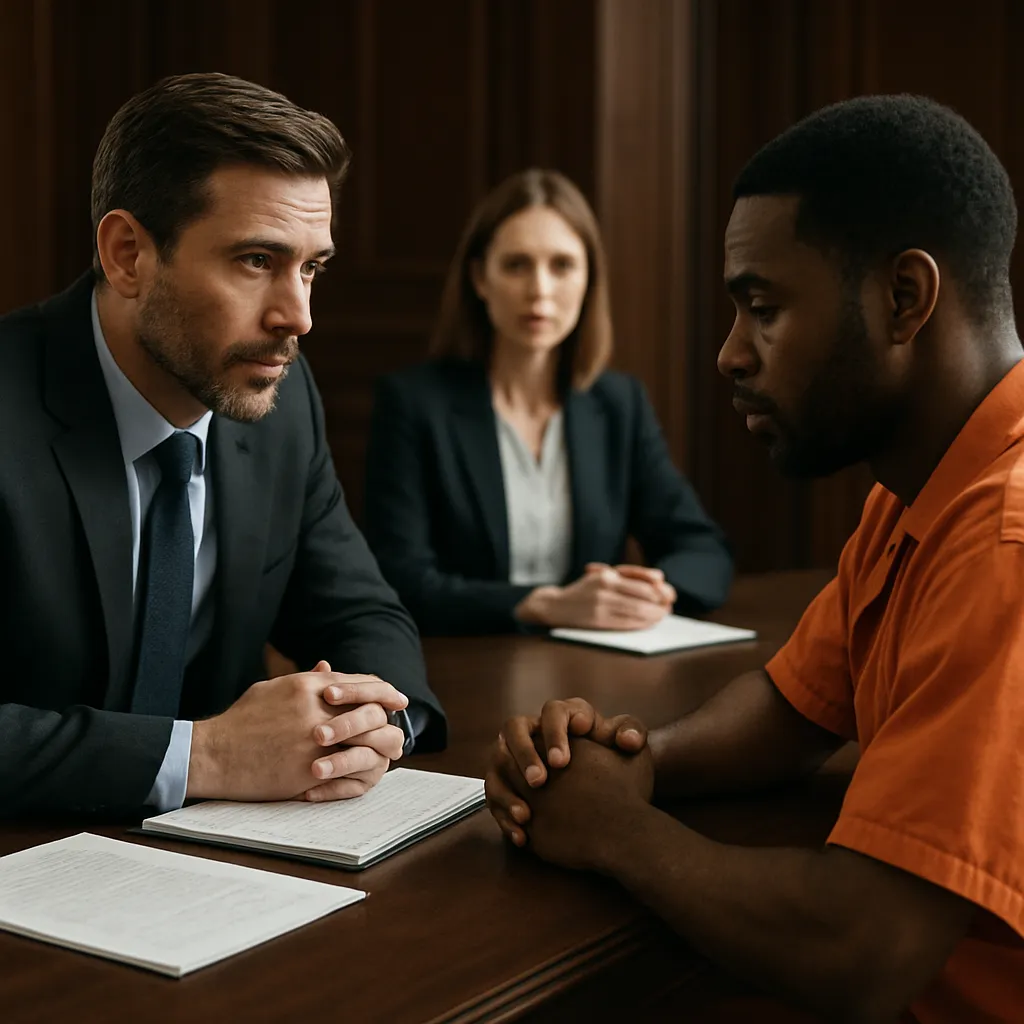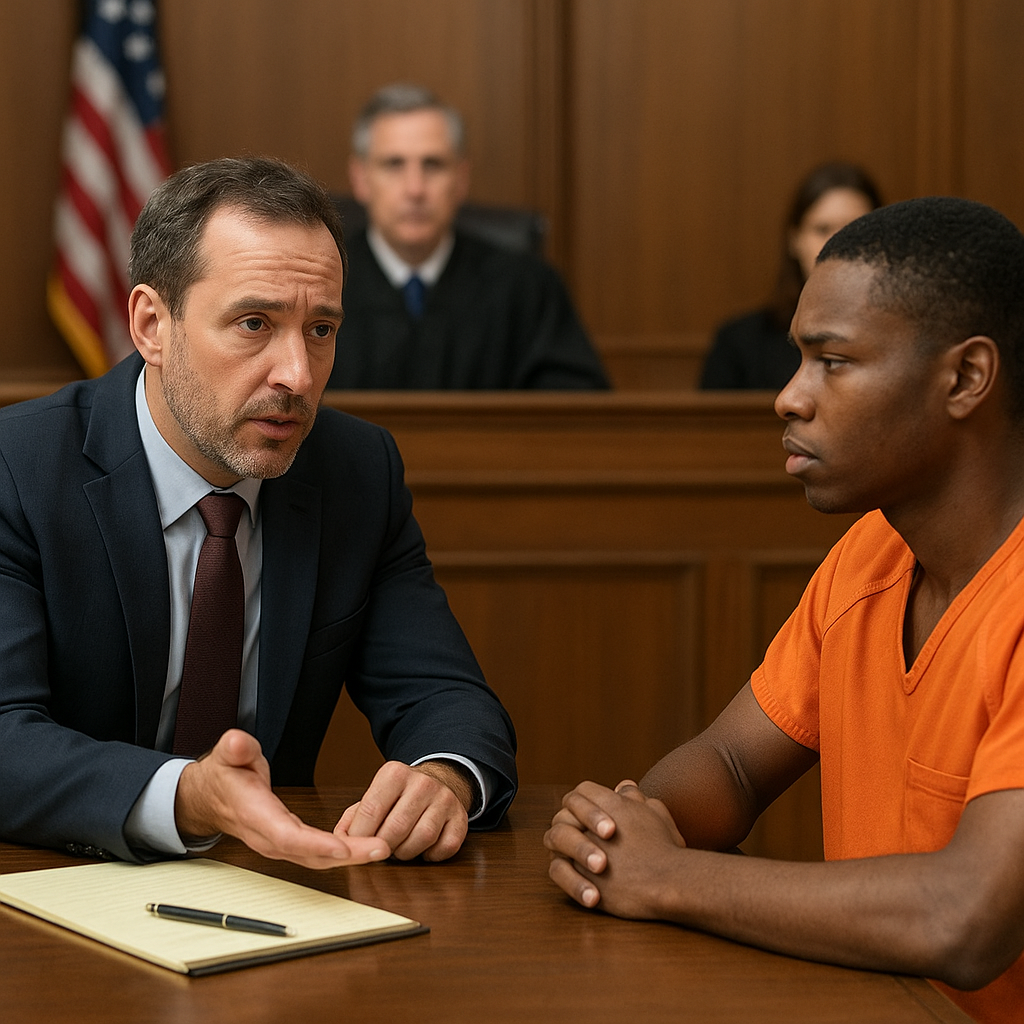
Criminal lawyers play a critical role in navigating the complex terrain of homicide cases. From the moment a client seeks representation to the final appeal, these attorneys employ a multifaceted approach that combines legal expertise, thorough investigation, and persuasive advocacy. This article explores how experienced counsel handles each phase of a murder prosecution, safeguarding the rights of the accused and striving for the best possible outcome.
Initial Case Assessment and Client Consultation
At the very outset, a criminal lawyer must conduct a comprehensive evaluation of the potential client’s situation. This stage sets the foundation for an effective defense strategy and involves rapid yet meticulous fact-gathering.
Establishing Attorney-Client Relationship
Before diving into the details, the lawyer explains privilege and confidentiality. By ensuring the client understands that communications remain protected, the attorney fosters an environment of trust. This rapport is crucial for eliciting candid disclosures about the events in question.
Gathering Core Information
Key tasks include:
- Reviewing police reports, witness statements, and autopsy findings to identify strengths and vulnerabilities.
- Interviewing the client to ascertain their version of events, alibi details, and possible motives.
- Assessing whether any constitutional violations occurred during arrest or interrogation, such as Miranda rights breaches.
This phase demands keen attention to detail, as even minor discrepancies can form the basis of suppression motions or alternative theories of defense.
Investigation and Evidence Strategy
An effective investigation by the defense team often mirrors the thoroughness of the prosecution’s approach. Criminal lawyers coordinate with private investigators, forensic experts, and specialized consultants to build a robust factual record.
Forensic and Expert Analysis
Homicide cases hinge on scientific and technical testimony. Counsel may retain experts in:
- Ballistics to challenge bullet trajectory or firearm identification.
- DNA analysis to contest biological evidence linking the defendant to the crime scene.
- Pathology for alternative interpretations of wound patterns or time of death estimates.
By commissioning independent tests and scrutinizing lab procedures, attorneys aim to cast doubt on the prosecution’s documentary exhibits and forensic reports.
Witness Interview and Preparation
Identifying and preparing witnesses is another cornerstone of the defense plan. Steps include:
- Locating eyewitnesses who may corroborate an alibi or offer alternative narratives.
- Conducting mock interviews to anticipate cross-examination tactics and strengthen testimony.
- Assessing witness credibility, including past statements and potential biases.
Pretrial Motions and Strategic Planning
Before reaching the courtroom, criminal lawyers file a series of motions designed to limit the scope of evidence or secure favorable procedural rulings. These efforts shape the battlefield upon which the trial will be fought.
Suppression Motions
Arguing for exclusion of evidence can be a game-changer. Common grounds include:
- Illegal searches and seizures violating the Fourth Amendment.
- Coercive interrogation tactics leading to involuntary statements.
- Lack of probable cause for arrest or indictment.
Successful suppression may severely undermine the prosecution’s case.
Jury Selection and Voir Dire
Crafting a sympathetic jury is essential. Defense attorneys thoroughly research potential jurors, using questionnaires and background checks to identify biases. Through targeted questioning, they seek to seat individuals who value fairness and are open to alternative theories.
Trial Strategy and Courtroom Advocacy
Once the trial commences, the criminal lawyer’s strategy unfolds in real time. Every decision—from opening statements to closing arguments—must reflect a cohesive narrative tailored to the evidence presented.
Opening Statement
The defense attorney uses this opportunity to:
- Present the overarching theory of innocence or justification.
- Frame the prosecution’s case as circumstantial, incomplete, or biased.
- Highlight key weaknesses in witness credibility, chain of custody, and forensic conclusions.
Cross-Examination Techniques
Skillful cross-examination can dismantle the prosecutor’s witnesses. Techniques involve:
- Pinpointing inconsistencies between testimony and earlier statements or physical evidence.
- Employing leading questions to control the narrative and expose uncertainties.
- Maintaining a respectful demeanor to avoid alienating the courtroom audience.
Defense Case-in-Chief
When presenting the defense, attorneys guide their own witnesses through direct examination, emphasizing facts supportive of the client’s innocence. They may introduce expert reports, surveillance footage, or alternative suspects to create reasonable doubt.
Closing Argument
The final appeal to the jury underscores the weight of the prosecution’s burden. Effective closings:
- Synthesize evidence gaps and highlight exculpatory leads.
- Reinforce themes of justice, presumption of innocence, and fair process.
- Conclude with a clear, compelling request for acquittal.
Post-Trial Motions and Appeals
Even after a verdict, the work continues. Convictions can be overturned or sentences reduced through post-trial remedies.
Rule 29 and Rule 33 Motions
Under federal procedure, lawyers may move for judgment of acquittal (Rule 29) if no rational jury could convict on the evidence. Alternatively, they can seek a new trial (Rule 33) by arguing that:
- Newly discovered evidence would likely render a different verdict.
- Misconduct by jurors or prosecutors tainted the trial.
- Errors in jury instructions misled the panel on applicable law.
Direct Appeal and Appellate Briefing
If post-trial motions fail, defense counsel crafts an appellate strategy focused on legal errors rather than factual disputes. Typical arguments include:
- Constitutional violations, such as Fifth Amendment due process or Sixth Amendment right to counsel issues.
- Erroneous evidentiary rulings that prejudiced the verdict.
- Prosecutorial misconduct or improper jury guidance.
Appellate practice demands rigorous legal research and persuasive written advocacy, often culminating in oral argument before a three-judge panel.
Ethical Responsibilities and Professional Conduct
Criminal lawyers handling homicide matters must navigate a web of ethics rules. They owe duties to their clients, the court, and the justice system itself.
Confidentiality and Privilege
Maintaining client confidences is fundamental. Attorneys may never disclose sensitive information without consent, even under pressure from investigators or rival counsel.
Candor Toward the Tribunal
While zealously advocating for their clients, lawyers must refrain from knowingly presenting false testimony or obstructing justice. Misrepresentations can lead to sanctions, disbarment, or criminal charges.
Avoiding Conflicts of Interest
Defendants in homicide cases may be connected to co-defendants, witnesses, or victims. Attorneys must screen for potential conflicts and, if one arises, seek informed waivers or withdraw from representation as required by professional rules.