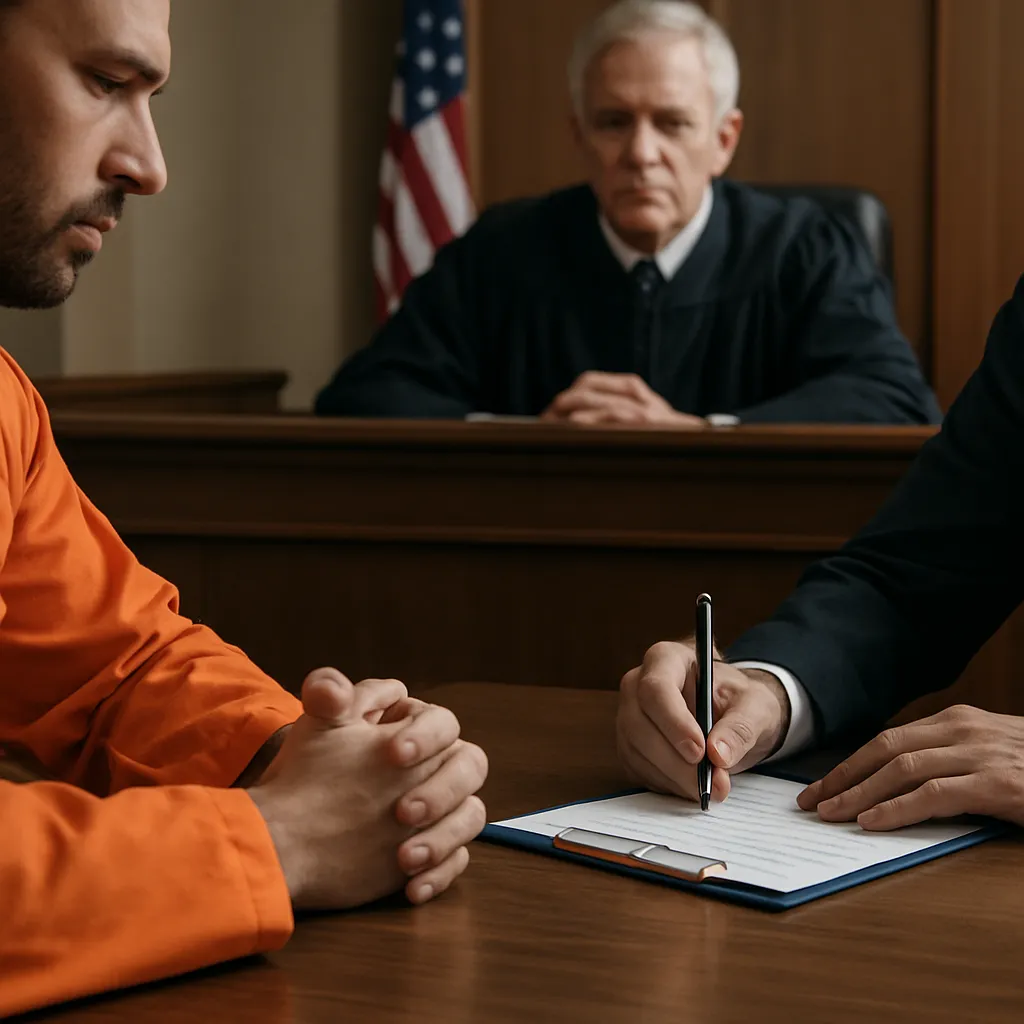
Criminal defense attorneys play a pivotal role in the justice system by helping clients navigate the complexities of plea negotiations. When a defendant faces serious charges, a well-negotiated plea can mean the difference between harsh sentences and a more lenient resolution. Understanding how lawyers approach these discussions sheds light on the delicate balance between legal strategy and ethical responsibility.
The Role of Defense Counsel in Plea Negotiations
At the heart of every plea negotiation is the criminal lawyer’s duty to advocate zealously for the client. This begins with a comprehensive review of the evidence, including witness statements, forensic reports, and police procedures. A defense attorney’s deep knowledge of precedent and sentencing guidelines allows them to assess the prosecutor’s initial offer critically.
Case Assessment
- Identify strengths and weaknesses in the prosecution’s case
- Evaluate potential mitigating factors such as lack of prior record or extenuating personal circumstances
- Estimate realistic sentencing outcomes if the case proceeds to trial
Legal Research and Strategy
Attorneys conduct targeted research on similar cases and statutory provisions to craft persuasive arguments. Knowledge of local court practices, as well as the track record of individual judges and prosecutors, informs the lawyer’s tactical approach. By leveraging favorable rulings and highlighting procedural errors, defense counsel positions themselves for a more advantageous plea deal discussion.
Key Strategies in Negotiating Plea Deals
Effective plea bargaining is both art and science. Attorneys employ a variety of strategies to secure the best possible outcome.
Early Engagement
Initiating discussions soon after arraignment can yield better results. Early engagement demonstrates to the prosecution a willingness to cooperate, potentially making the defense eligible for more lenient offers.
Charge Reduction Tactics
One common objective is obtaining a charge reduction, where a more serious offense is downgraded to a lesser one. Lawyers may argue:
- Insufficient proof of intent or premeditation
- Procedural violations during arrest or evidence gathering
- Discrepancies in witness testimony
Leveraging Alternative Resolutions
In cases involving nonviolent or first-time offenders, attorneys often propose diversion programs, probation, or rehabilitation requirements in lieu of incarceration. Highlighting a client’s commitment to treatment can persuade prosecutors to offer creative solutions.
Building Negotiation Rapport
Maintaining professional and respectful communication with the prosecutor fosters trust. Lawyers who demonstrate knowledge and fairness are more likely to influence the outcome positively. Establishing rapport also enables informal exchanges of information and can smooth the path to agreement.
Ethical and Legal Considerations
Plea bargaining is bound by strict ethical rules. Defense counsel must avoid conflicts of interest and ensure clients comprehensively understand the consequences of a deal.
- Informed Consent: Lawyers must explain all terms, potential risks, and collateral consequences before a client agrees.
- Avoiding Coercion: Ensuring the client feels free to accept or reject offers without undue pressure.
- Disclosure Obligations: Counsel should not withhold exculpatory evidence from the prosecution.
- Fairness: Lawyers must balance zealous advocacy with the obligation to uphold the integrity of the judicial process.
Attorneys who stray from ethical guidelines risk sanctions, disbarment, or the invalidation of negotiated agreements.
Factors Influencing Plea Deal Outcomes
A variety of factors can tilt the scales in plea negotiations:
- Case Complexity: Highly technical or multi-jurisdictional cases require specialized legal expertise.
- Defendant’s Criminal History: A spotless record often yields more favorable terms.
- Victim Impact Statements: Strong statements from victims can lead to harsher prosecutorial stances.
- Judicial Attitude: Some judges encourage plea bargaining to manage docket congestion, while others may push for trials.
- Public and Media Pressure: High-profile cases can constrain a prosecutor’s willingness to offer leniency.
Understanding these dynamics enables defense attorneys to calibrate their demands and temper expectations.
Communication with Clients and Stakeholders
Transparent and ongoing communication is critical. Lawyers must:
- Regularly update clients on negotiation progress
- Explain legal jargon clearly, ensuring the client grasps the implications of each term
- Consult with family members or other advisors when appropriate, to build a support network
- Coordinate with expert witnesses or mitigation specialists to strengthen the defense’s position
By keeping lines of dialogue open, attorneys reinforce trust and help clients make informed decisions at every stage of the process.
Adapting to Evolving Legal Landscapes
Recent reforms in sentencing guidelines and increased scrutiny of prosecutorial discretion have reshaped plea bargaining. Defense lawyers must stay current with:
- Changes in mandatory minimum statutes
- New appellate rulings affecting evidence admissibility
- Alternative sentencing initiatives driven by social justice movements
Proactive adaptation ensures that attorneys can leverage emerging opportunities to advocate effectively for their clients.
Case Study: Negotiating a Plea in a High-Stakes Assault Charge
A client facing aggravated assault charges risked a decade-long sentence if convicted at trial. The defense team:
- Conducted an independent forensic review to challenge the prosecution’s ballistics evidence
- Located an alibi witness whose statement undermined the narrative of intent
- Proposed a probation-based plea with mandatory anger management classes
- Emphasized the defendant’s lack of prior criminal history and community ties
After multiple negotiation sessions, the prosecutor agreed to reduce charges to simple assault. The final agreement carried no jail time, exemplifying the power of strategic negotiation.
Building a Long-Term Defense Strategy
Negotiating a favorable plea is often one step in a broader defense plan. After securing an initial deal, attorneys may:
- Pursue expungement or record sealing
- Advocate for sentence modifications based on post-conviction rehabilitation
- Monitor compliance with probation terms to prevent future violations
By viewing plea bargaining as part of a continuum, defense counsel can maximize their client’s chances for a successful long-term outcome.