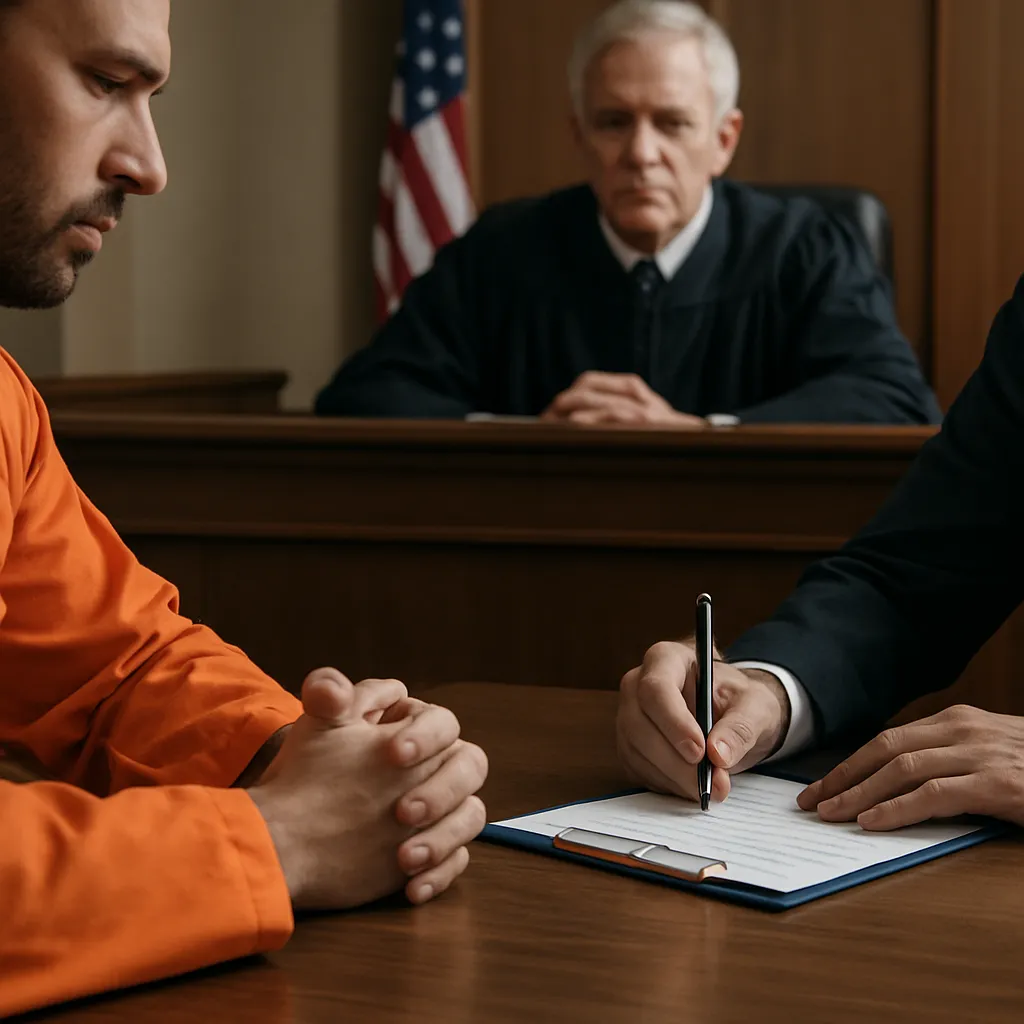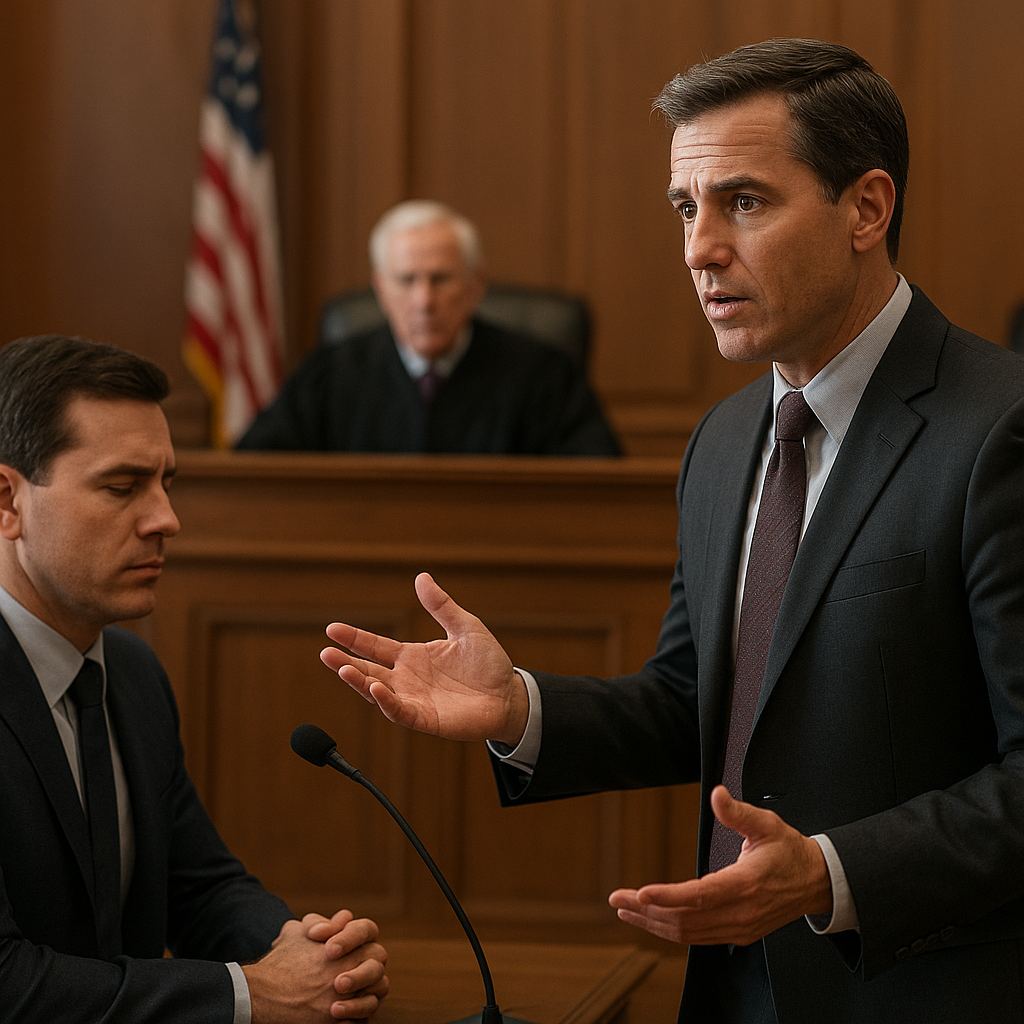
Defending high-profile cases presents unique challenges that set them apart from ordinary criminal matters. An attorney must navigate intense media attention, public opinion, and complex legal issues, all while safeguarding the interests of the client. This article explores critical aspects of representing individuals whose cases attract widespread attention, offering insight into managing these demanding circumstances.
The Nature of High-Profile Litigation
High-profile cases often involve public figures, celebrities, corporate executives, or politically connected individuals. The stakes extend far beyond the immediate legal outcome: every decision, courtroom appearance, and public statement can impact a defendant’s reputation and future prospects. Lawyers must appreciate the distinctive dynamics at play in these matters:
- Intense scrutiny by journalists and the general public
- Potential for prejudicial pretrial publicity
- Heightened security concerns for both counsel and witnesses
- Complex factual and technical issues, often involving expert testimony
Understanding how each of these factors influences case strategy is vital. Early risk assessment should address potential leaks, witness intimidation, and the prospect of parallel civil, regulatory, or congressional investigations. An attorney who underestimates the scope of a high-profile matter may find the trial process derailed by unforeseen publicity crises or procedural pitfalls.
In many jurisdictions, local courts may not have encountered a case of similar magnitude. The willing participation of standard court staff, availability of secure facilities, and impartial jury selection can all be tested by the notoriety of a particular defendant or the events underlying the charges. As a result, defense lawyers must coordinate closely with court administrators to ensure a fair trial environment.
Media Pressure and Public Perception
One of the defining characteristics of a high-profile case is the relentless spotlight of media coverage. News outlets, social media influencers, and bloggers compete for scoops, sometimes prioritizing sensationalism over accuracy. This environment can shape public opinion long before any evidence is presented in a courtroom.
Defense attorneys should develop a comprehensive media plan that aligns with the overall legal strategy. Key elements include:
- Designating a single spokesperson to ensure consistency
- Crafting clear, accurate messages for press conferences and interviews
- Monitoring social media to identify and correct misinformation
- Establishing protocols for responding to leaks or unauthorized disclosures
Too many statements can become self-incriminating, while silence may cede the narrative to adversaries. A balanced approach helps maintain credibility without compromising the defense. Moreover, counsel should educate the client about the perils of social media engagement, as unfiltered remarks can generate fresh legal headaches or sway potential jurors.
Legal practitioners must also anticipate the interplay between public relations firms and legal teams. While PR experts excel at image management, they may lack an understanding of evidentiary rules or privilege concerns. Collaborative planning prevents conflicts and ensures that both legal and public messaging objectives are met.
Legal Strategy and Ethical Dilemmas
Developing a cogent defense in a high-profile matter demands meticulous planning. From pretrial motions to jury selection and trial tactics, each stage offers opportunities—and risks. Attorneys must constantly reconcile aggressive advocacy with professional ethics.
- Motion practice. Pretrial filings can shape the evidentiary landscape, from suppressing improperly obtained evidence to disqualifying prejudicial witnesses.
- Jury management. High-profile defendants may struggle to find impartial jurors. Voir dire techniques should unearth biases related to pretrial publicity.
- Witness preparation. Given the likelihood of public scrutiny, thorough coaching on demeanor and substance is essential.
- Plea negotiations. Prosecutors often leverage the publicity surrounding a case to pressure a defendant into an early plea. Counsel must evaluate whether settlement offers truly serve the client’s long-term interests.
Ethical challenges loom large when the client urges tactics that conflict with professional responsibility. Examples include concealing evidence, intimidating witnesses, or engaging in misleading statements. Under the governing codes of conduct, lawyers must refuse to participate in misconduct—even if it promises a tactical advantage. Vigilance prevents malpractice exposure and upholds the integrity of the legal profession.
Cross-border or multinational elements further complicate strategy. When allegations span jurisdictions, defense teams must consider conflicting legal systems, potential extradition, and divergent privacy laws. Coordinating multiple counsel and ensuring consistent positions across continents require sophisticated project management.
Safeguarding Confidentiality and Integrity
In high-profile cases, maintaining strict confidentiality can be as challenging as winning at trial. When every communication risks being leaked, defense teams need robust protocols:
- Secure communications. Use encrypted messaging platforms and limit email distribution lists.
- Document control. Restrict physical access to sensitive files and implement watermarking or electronic audit trails.
- Staff training. Ensure that every team member—from paralegals to investigators—understands privilege boundaries and the risks of inadvertent disclosure.
- Vendor oversight. Vet third-party providers, such as digital forensics firms, to confirm their security standards.
Leaks can derail even the most carefully crafted strategy. A single unauthorized disclosure might inflame public opinion, prompt judicial sanctions, or compromise witness safety. Responding effectively to a leak demands swift investigation, potential motion practice, and—if necessary—requests for protections from the court.
Finally, attorneys must remain mindful of the personal toll that high-profile work can take. Long hours, constant media intrusion, and the pressure of representing prominent clients can lead to burnout. Establishing clear boundaries, delegating tasks, and seeking peer support help sustain performance and ethical judgment over the life of the case.
Maintaining Professional Prospects Amid Crisis
Handling high-profile cases successfully can elevate a lawyer’s standing and open doors to prestigious appointments. Conversely, unforced errors or ethical lapses can inflict lasting damage on one’s career. Lawyers should cultivate a reputation for tact, resilience, and unwavering commitment to due process.
By mastering the delicate balance between public relations and legal advocacy, staying vigilant about investigation developments, and preserving the trust of both client and court, defense counsel can navigate the complexities of high-profile representation. This demanding arena tests every facet of legal acumen—but for those who rise to the challenge, the rewards can be profound.