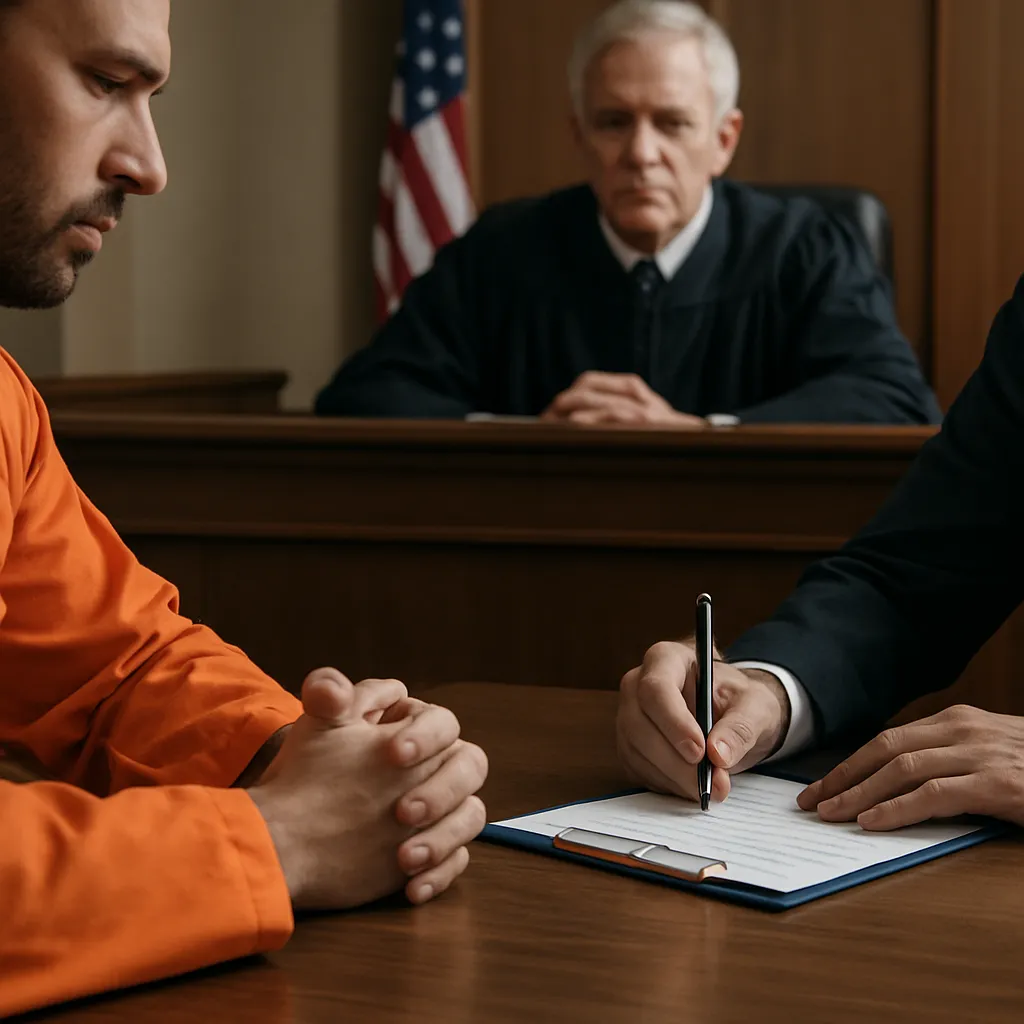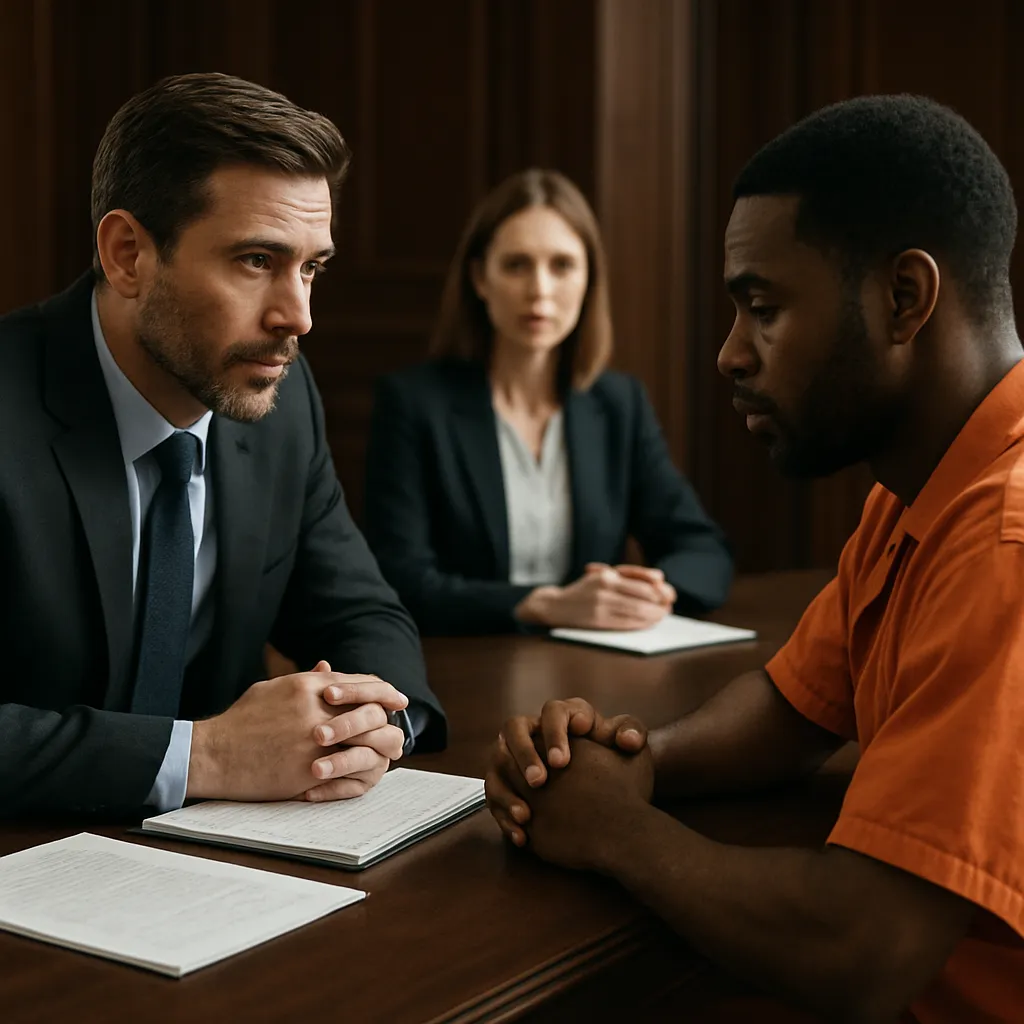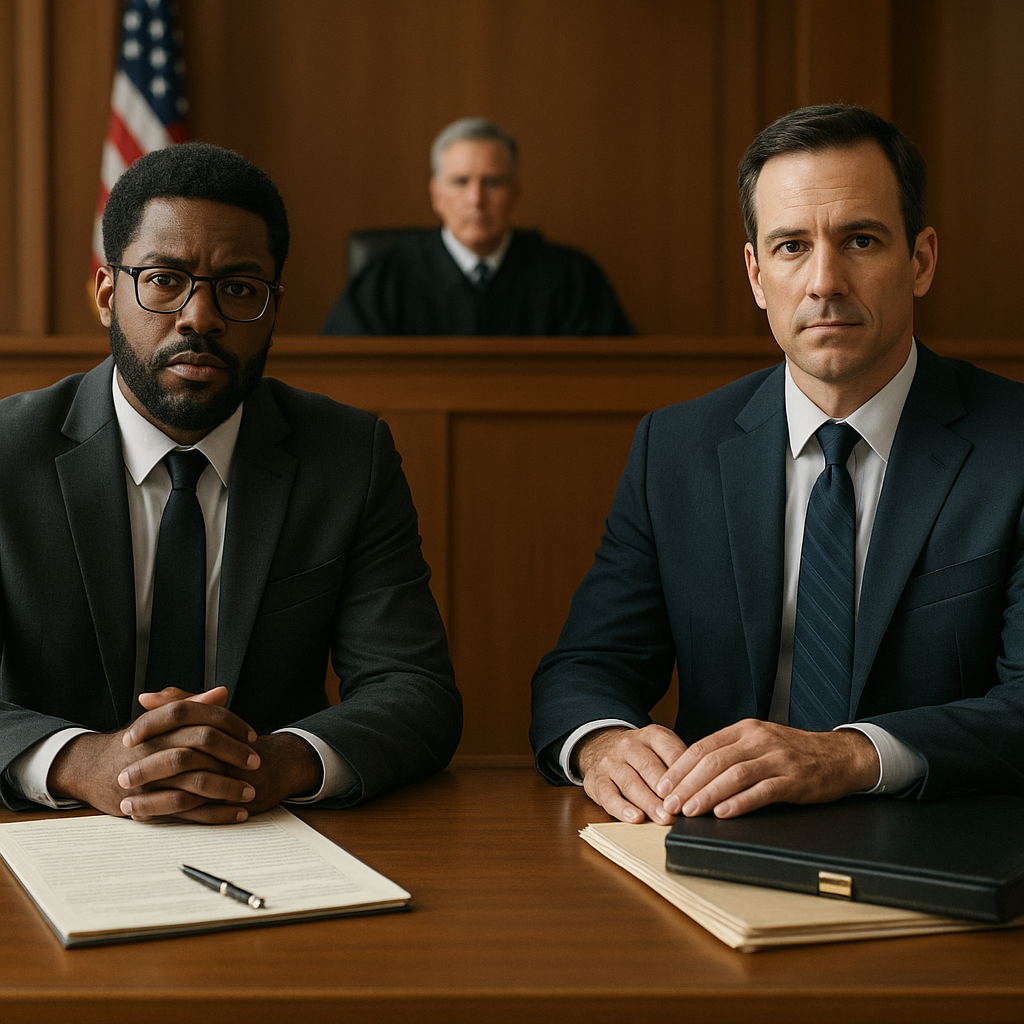
When individuals confront the complexities of the criminal justice system, one of the first decisions they must make is whether to seek representation from a public defender or retain a private lawyer. Both types of attorneys are licensed to practice law and dedicated to defending clients, but they differ significantly in resources, caseload, accessibility, and approach. Understanding these distinctions can help defendants choose the best form of representation for their unique circumstances.
Understanding the Roles and Responsibilities
Every criminal case follows a general trajectory: arrest, arraignment, pre-trial motions, trial, and potential appeals. At each stage, legal counsel is vital. A public defender is an attorney employed by the government to represent defendants who cannot afford private counsel. Their primary duty is to uphold the constitutional right to counsel and ensure that no individual faces charges without adequate representation.
By contrast, a private lawyer operates independently or within a law firm and is paid directly by the client. Private attorneys often have greater autonomy in selecting cases and determining how much time to devote to each one. They may specialize in specific areas of criminal law—such as white-collar crime, drug offenses, or violent felonies—allowing for highly focused expertise.
- Public Defenders: Appointed by the court, often face heavy caseloads, limited per-case resources, but serve a vital constitutional function.
- Private Lawyers: Hired directly, manage fewer cases simultaneously, offer personalized attention, and access to investigative support.
Caseload, Workload, and Available Resources
The most striking difference between public defenders and private attorneys is the number of cases they handle. A public defender’s office might assign hundreds of cases to a single attorney in a year. High caseloads can lead to limited time for each client, potentially impacting the depth of investigation and preparation.
On the other hand, a private attorney typically accepts fewer matters, allowing more concentrated effort on each case. Private lawyers can allocate funds for independent investigators, expert witnesses, and forensic analysis, significantly enhancing the quality of evidence presented at trial. These resources can be critical in complex matters involving digital forensics or medical expert opinions.
Nevertheless, many public defender offices have established partnerships with local universities, nonprofit organizations, and pro bono attorneys to supplement their investigative capacities. While budgets are tighter, innovative public defender programs often leverage community support and collaboration to strengthen their cases.
Quality of Representation and Client Interaction
Quality of representation is influenced by attorney experience, specialization, and the time devoted to a case. Private attorneys who focus exclusively on criminal defense may accumulate deep knowledge of specific statutes, case law, and local court procedures. This specialization often translates into more effective motions, cross-examinations, and negotiation strategies.
Public defenders, meanwhile, gain invaluable trial experience due to the volume of cases they handle. They develop proficiency in courtroom procedures, quick yet thorough legal research, and persuasive oral arguments. Although they may have less time to prepare each individual case, their frequent appearances before the same judges and prosecutors foster familiarity with local practices, an advantage in plea negotiations.
Client interaction also varies. Private lawyers can schedule longer meetings and maintain frequent communications via phone or secure online portals. In contrast, public defenders often conduct shorter consultations, especially at the early stages. However, many public defender offices have implemented technological solutions—such as video conferencing—to improve client access despite demanding schedules.
Cost, Fees, and Financial Considerations
Cost remains a decisive factor for many defendants. Public defenders provide services at no cost to individuals who meet financial eligibility requirements. This no-fee structure ensures that low-income defendants still receive competent defense, preserving the principle that justice should not depend on wealth.
Private attorneys charge fees that vary widely based on experience, reputation, geographic location, and case complexity. Fees may include:
- Retainer fees to secure initial representation
- Hourly rates for time spent on the case
- Flat fees for specific services, such as motion practice or trial
- Additional costs for investigators, expert witnesses, and court filing fees
Defendants choosing private counsel must budget for these potential expenses. However, some private lawyers offer payment plans or sliding-scale fees to accommodate clients with limited means. Legal defense funds, insurance policies, and criminal defense associations can also offset costs.
Ethical Obligations and Professional Standards
Both public defenders and private attorneys adhere to the same professional and ethical standards set by state bar associations and the American Bar Association. They owe their clients duties of confidentiality, loyalty, competence, and diligent representation.
Public defenders face unique ethical challenges due to heavy caseloads and budget constraints. They must balance the need to provide individual attention with obligations to all clients in their roster. Strategic case management and strict triaging of tasks become essential to uphold quality standards without violating professional rules.
Private lawyers, driven by client satisfaction and reputation, often invest extra time and resources to achieve favorable outcomes. While this can lead to a competitive edge, it also raises ethical considerations about fee structures, conflicts of interest, and ensuring fairness in negotiations.
Conclusion
Choosing between a public defender and a private lawyer involves assessing multiple factors: financial means, case complexity, desired level of personal interaction, and expectations for resource allocation. Public defenders demonstrate commitment to social justice by defending the indigent and preserving constitutional protections, while private attorneys offer specialized attention and extensive investigative support. Ultimately, the best choice depends on a defendant’s unique circumstances, priorities, and the nature of the criminal charges they face.