The legal landscape for criminal defense is undergoing a profound transformation as the digital realm becomes a battleground for evidence, rights, and tactics. Attorneys specializing in defending individuals face an environment where technology both empowers and challenges established practice. From the collection of digital evidence to leveraging AI-driven analytics, criminal lawyers must adapt their methods to secure justice while navigating complex issues of privacy and due process.
Emergence of Digital Forensics and Evidence
As more criminal acts involve online components, digital forensics has moved to the forefront of defense work. Specialists in this field scrutinize data from smartphones, cloud storage, social media, and corporate servers. The ability to recover deleted files, trace IP addresses, and authenticate metadata has become indispensable for building or contesting a prosecution’s case.
Challenges in Evidence Collection
- Encryption barriers that impede access to devices.
- Chain-of-custody concerns in cloud-based systems.
- Admissibility of evidence derived from international servers subject to multiple jurisdictions.
Defense teams must partner with forensic experts to ensure evidence is acquired lawfully. Failure to comply with the legislation governing search warrants or international data-sharing treaties can render critical files inadmissible. In court, lawyers often depose forensic analysts on the integrity of their methods, questioning software updates or algorithmic biases that might skew results.
Artificial Intelligence in Defense Strategy
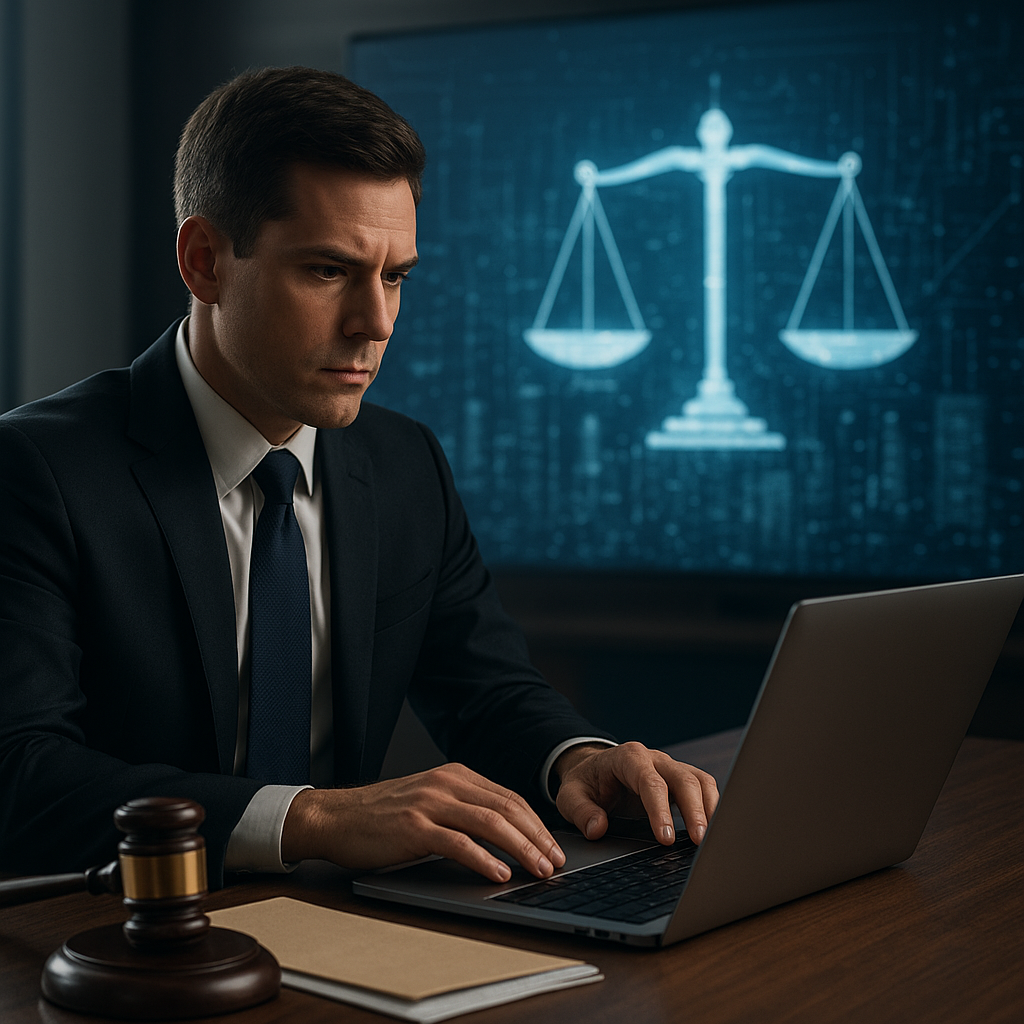
Machine learning and AI tools are revolutionizing how criminal lawyers prepare cases. From predictive modeling that assesses the likelihood of certain sentencing outcomes to automated document review systems, AI is reshaping the pace and precision of trial preparation.
Opportunities with AI-driven Analytics
- Rapid sorting of discovery materials to uncover exculpatory evidence.
- Language processing to identify inconsistencies in witness statements.
- Risk-assessment algorithms that aid in bail hearing strategies.
However, reliance on AI also raises ethical questions. What if a proprietary algorithm remains a “black box,” preventing lawyers from challenging its conclusions? Defense counsel must scrutinize vendor disclosures, demand transparency, and, when necessary, secure expert testimony to debunk flawed models. This ensures clients’ rights are not undermined by unverified technological assertions.
Blockchain, Cryptocurrency, and Privacy Rights
The rise of blockchain networks and virtual currencies has generated novel legal issues. Transactions once thought to be untraceable can now be followed through public ledgers, yet anonymity protocols continue to conceal user identities behind cryptographic addresses.
Defense Considerations in Crypto Cases
- Tracing money laundering schemes involving mixers and tumblers.
- Arguing user rights over private keys and withholding decryption under allegiance to ethics and privilege.
- Challenging government subpoenas for exchange records on grounds of unreasonable search.
Criminal lawyers must become fluent in blockchain terminology and partner with forensic blockchain analysts. They also advocate for client privacy, pushing back on excessively broad crypto-seizure warrants and preserving the constitutional safeguards against self-incrimination. Legislators are still debating regulation, leaving defense attorneys at the vanguard of shaping how digital assets are treated in courts.
Evolving Legal Frameworks and Defense Innovations
Regulatory bodies worldwide are racing to update laws originally drafted decades ago. From electronic communication privacy acts to broad cybercrime statutes, the patchwork of rules demands constant vigilance.
Key Trends in Legal Reform
- Proposals for uniform standards on data retention and lawful interception.
- Enhanced oversight of law-enforcement use of surveillance technologies, such as facial recognition and stingrays.
- Legislation defining obligations for tech companies to assist or resist government demands for data.
For defense attorneys, staying abreast of these shifts is critical. Continuous education programs, collaboration with digital rights organizations, and contributions to policy debates ensure that defense strategies evolve alongside new statutes. Innovative firms are also developing in-house cyber labs, combining legal acumen with technical expertise to offer clients comprehensive representation.
Preparing the Next Generation of Criminal Lawyers
Law schools and bar associations are responding by integrating digital law modules and practical cyber workshops into their curricula. Future criminal defense attorneys will need credentials in both legal doctrine and cybersecurity practices to competently represent clients. Mentorship programs linking seasoned practitioners with tech-savvy graduates are springing up, creating a multidisciplinary community dedicated to upholding due process in the face of rapid innovation.
In this evolving arena, the defense lawyer’s role extends beyond courtroom advocacy. They serve as guardians of civil liberties, ensuring that the march of progress does not trample fundamental rights. By mastering digital tools, challenging intrusive evidence-gathering methods, and influencing the development of equitable laws, criminal defense attorneys will shape the future of justice in the digital age.