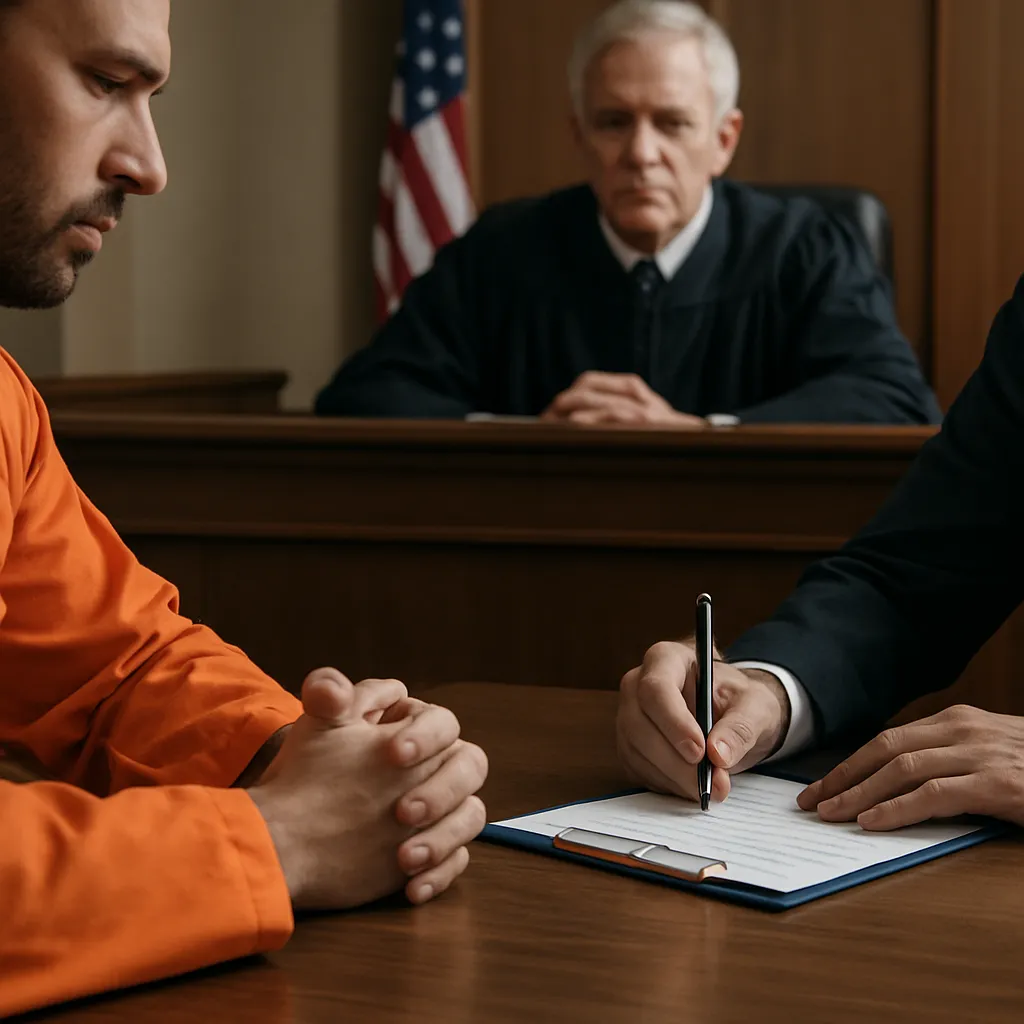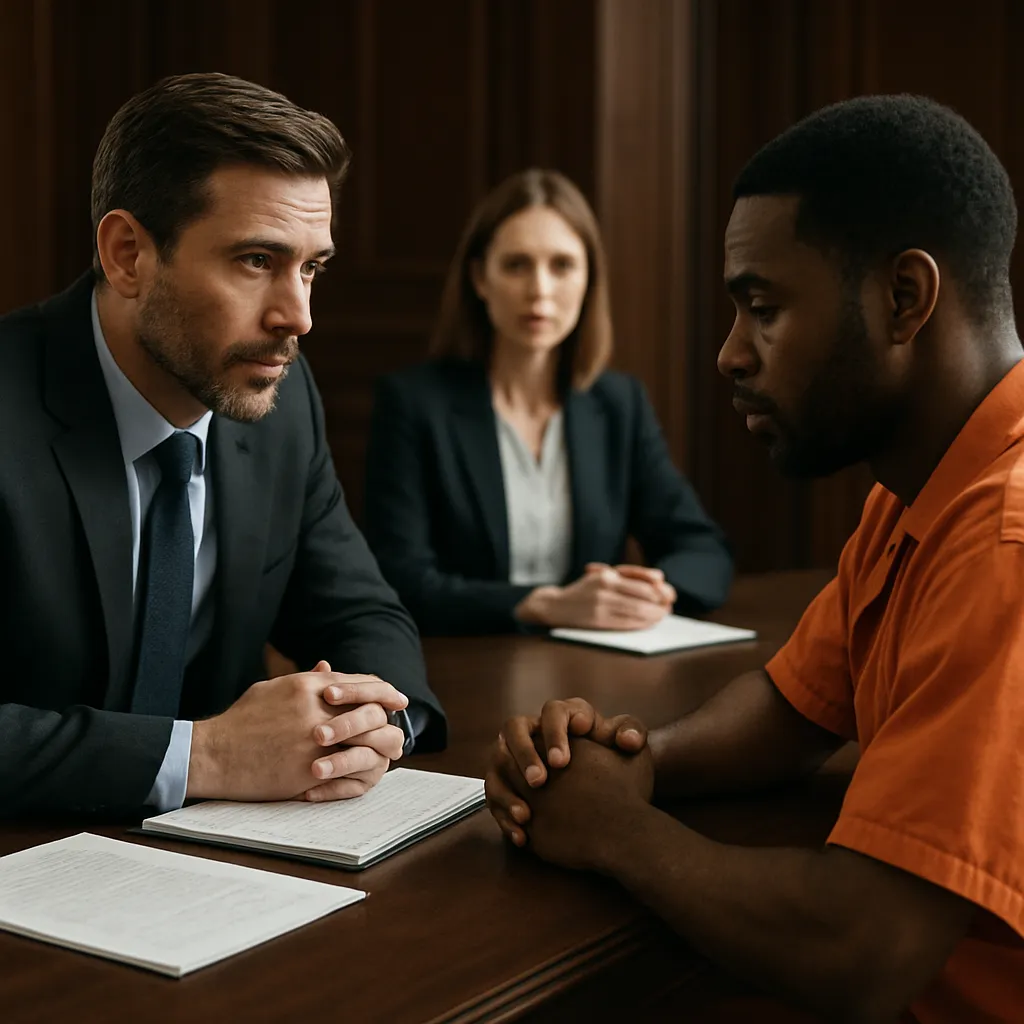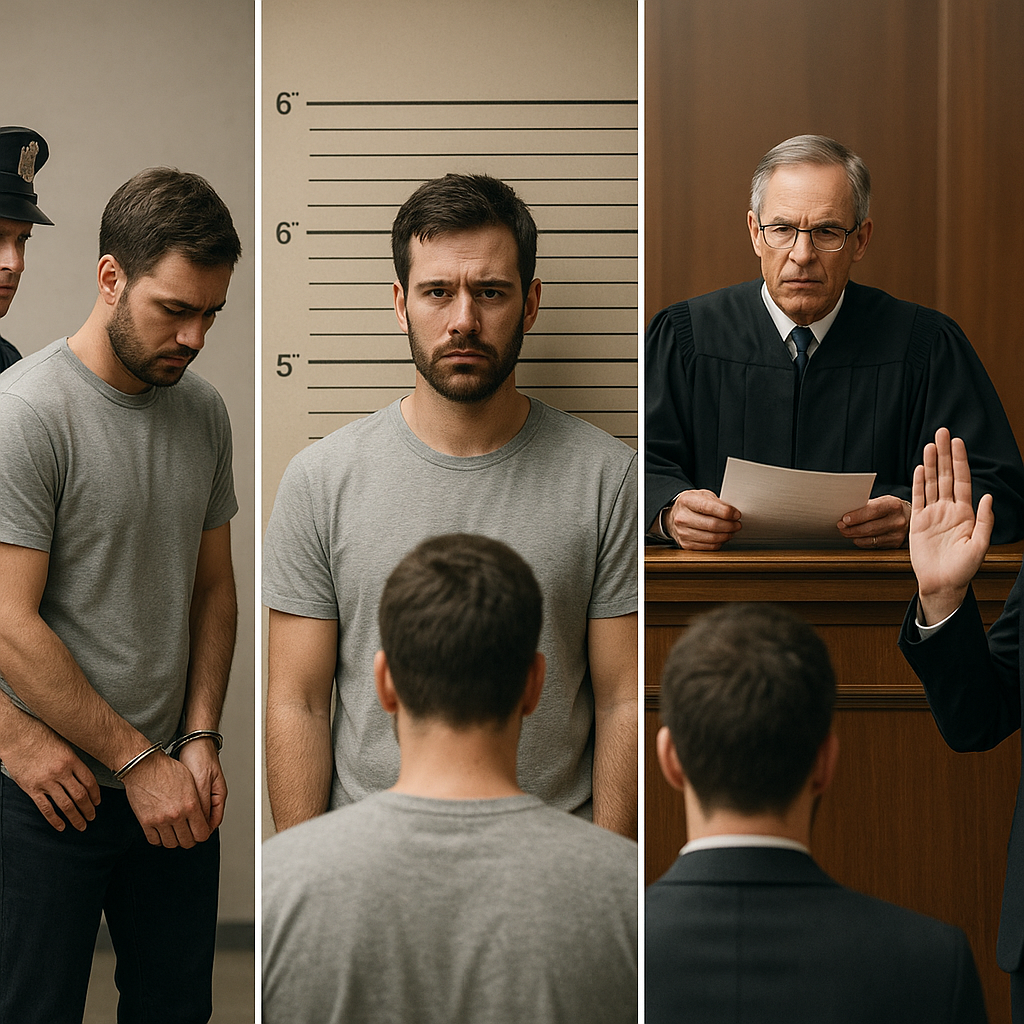
The criminal justice system is a multifaceted mechanism that ensures society’s safety by upholding the rule of law and protecting individual rights. At the heart of this system are dedicated criminal lawyers who navigate complex statutes, advocate for clients, and safeguard constitutional guarantees. Understanding each stage of the process—from investigation to appeal—reveals how attorneys play a pivotal role in achieving fair outcomes and preserving public trust.
Preliminary Investigations and Arrest
Before formal charges are filed, law enforcement agencies conduct evidence gathering operations. Criminal lawyers often become involved early to advise individuals under investigation about their rights and to challenge improper procedures.
Role of Defense Counsel at the Investigation Stage
- Representation: Attorneys ensure that suspects are informed of their right to remain silent and to have counsel present during questioning.
- Due Process Safeguards: Lawyers scrutinize search warrants and arrest protocols to prevent unlawful seizures or coercive tactics.
- Motion Practice: Early motions to suppress illegally obtained materials can drastically weaken the prosecution’s case.
Arrest and Booking
Once an arrest is executed, the suspect undergoes booking, fingerprinting, and photographs. At this stage, criminal lawyers prepare for initial court appearances by reviewing police reports and witness statements. Ensuring that jurisdiction is proper is vital, as errors can lead to case dismissals or venue changes.
The Pretrial Phase
The pretrial stage is characterized by negotiations, filings, and hearings that shape the trajectory of a criminal case.
Initial Appearance and Bail
- During the initial appearance, a judge determines whether the suspect will be released on bail or held in custody.
- Bond Hearing: Criminal lawyers argue for reasonable bail amounts or release on recognizance by demonstrating community ties and absence of flight risk.
Discovery and Motions
The discovery process compels the prosecution to share evidence, including witness lists, documents, and expert reports. Defense counsel uses this stage to identify weaknesses in the state’s case and to file key motions:
- Motion to Suppress: Seeks exclusion of evidence obtained in violation of constitutional rights.
- Motion to Dismiss: Challenges the sufficiency of the charges or defects in the indictment.
- Motion for a Change of Venue: Requests trial relocation when pretrial publicity could taint the jury pool.
Plea Bargaining
Roughly 90% of criminal cases resolve through plea agreements rather than full trials. Skilled attorneys negotiate with prosecutors to secure reduced charges or lighter penalties in exchange for a plea bargain. Key considerations include:
- The strength of the prosecution’s evidence.
- Potential exposure if convicted at trial.
- Collateral consequences such as deportation or professional sanctions.
The Trial Phase
When no plea deal is reached, the case proceeds to trial. This stage tests factual disputes and legal theories before a judge or jury.
Jury Selection (Voir Dire)
Attorneys from both sides screen potential jurors to identify bias or conflicts. Challenges for cause and peremptory strikes help shape an impartial panel. Effective counsel uncovers jurors’ attitudes towards law enforcement and criminal defendants.
Opening Statements
Defense lawyers and prosecutors outline their versions of the facts. Although not evidence themselves, opening statements frame the narrative that each side will support through witness testimony and documents.
Presentation of Evidence
- Prosecution: Calls witnesses, introduces physical exhibits, and relies on forensic experts.
- Defense: Cross-examination is critical to undermine credibility and expose inconsistencies. Attorneys may also present their own witnesses and experts to challenge the state’s case.
- Rules of Evidence: Attorneys must navigate complex admissibility requirements to keep damaging testimony out and secure supportive materials in.
Closing Arguments and Jury Instructions
In closing arguments, counsel distills the trial’s evidence into persuasive themes. Judges then provide the jury with detailed legal instructions, defining elements such as “beyond a reasonable doubt” for each charged offense.
Verdict
After deliberation, the jury returns a verdict of guilty or not guilty on each count. A unanimous verdict is typically required for conviction in criminal trials. Upon acquittal, the defendant is free; if convicted, the process moves forward to sentencing.
Sentencing and Post-Conviction Remedies
Sentencing is a critical phase where judges impose penalties based on statutory guidelines and case-specific factors.
Sentencing Hearings
- Plaintiff and defense counsel present arguments concerning mitigating or aggravating circumstances.
- Pre-Sentence Reports: Probation officers prepare these reports to inform the court about the defendant’s background and offense details.
- Judges weigh factors such as criminal history, remorse, and risk to public safety before deciding on incarceration, probation, fines, or alternative programs.
Appeals
Following conviction and sentencing, defendants have the right to appeal. Criminal lawyers specializing in appellate work identify errors such as improper jury instructions, evidentiary mistakes, or constitutional violations.
- Notice of Appeal: Filed within strict time limits to preserve appellate rights.
- Appellate Briefs: Written arguments that highlight legal errors and cite relevant case law.
- Oral Argument: Attorneys present before appellate judges who may affirm, reverse, or remand the case for further proceedings.
Special Considerations for Criminal Lawyers
Beyond mastering procedural stages, criminal lawyers must cultivate a range of specialized skills to serve clients effectively:
- Negotiation: Achieving favorable plea agreements and bail conditions.
- Cross-examination: Uncovering inconsistencies in witness testimony to protect clients from wrongful convictions.
- Ethical Standards: Balancing zealous advocacy with professional responsibility.
- Client Communication: Explaining complex legal concepts and managing expectations throughout the process.
- Continuing Education: Staying current on evolving statutes, precedent, and forensic methodologies.
Emerging Trends and Future Directions
The criminal justice landscape continuously evolves, with developments in technology, policy, and public awareness shaping practice.
Forensic Science and Technology
Advances in DNA analysis, digital forensics, and artificial intelligence are expanding both prosecutorial tools and defense challenges. Attorneys must remain adept at impeaching unreliable scientific evidence and advocating for rigorous standards.
Restorative Justice and Diversion Programs
Alternative approaches focus on rehabilitation and community-based resolutions rather than incarceration. Criminal lawyers increasingly navigate diversion agreements, drug courts, and mental health courts to secure outcomes that address root causes of criminal behavior.
Criminal Justice Reform
Legislative changes targeting sentencing disparities, bail reform, and policing practices demand that defense counsel assess new opportunities for case dismissals and reductions. Effective representation now includes advocating for systemic change alongside individual client interests.
Key Takeaways for Practitioners
At every stage, criminal lawyers act as guardians of rights and arbiters of justice. By mastering procedural phases—from arrest to appeal—and refining skills in negotiation, representation, and critical analysis, attorneys contribute to a fairer, more transparent system. As legal landscapes shift, committed practitioners will continue to shape outcomes and uphold the highest standards of advocacy.