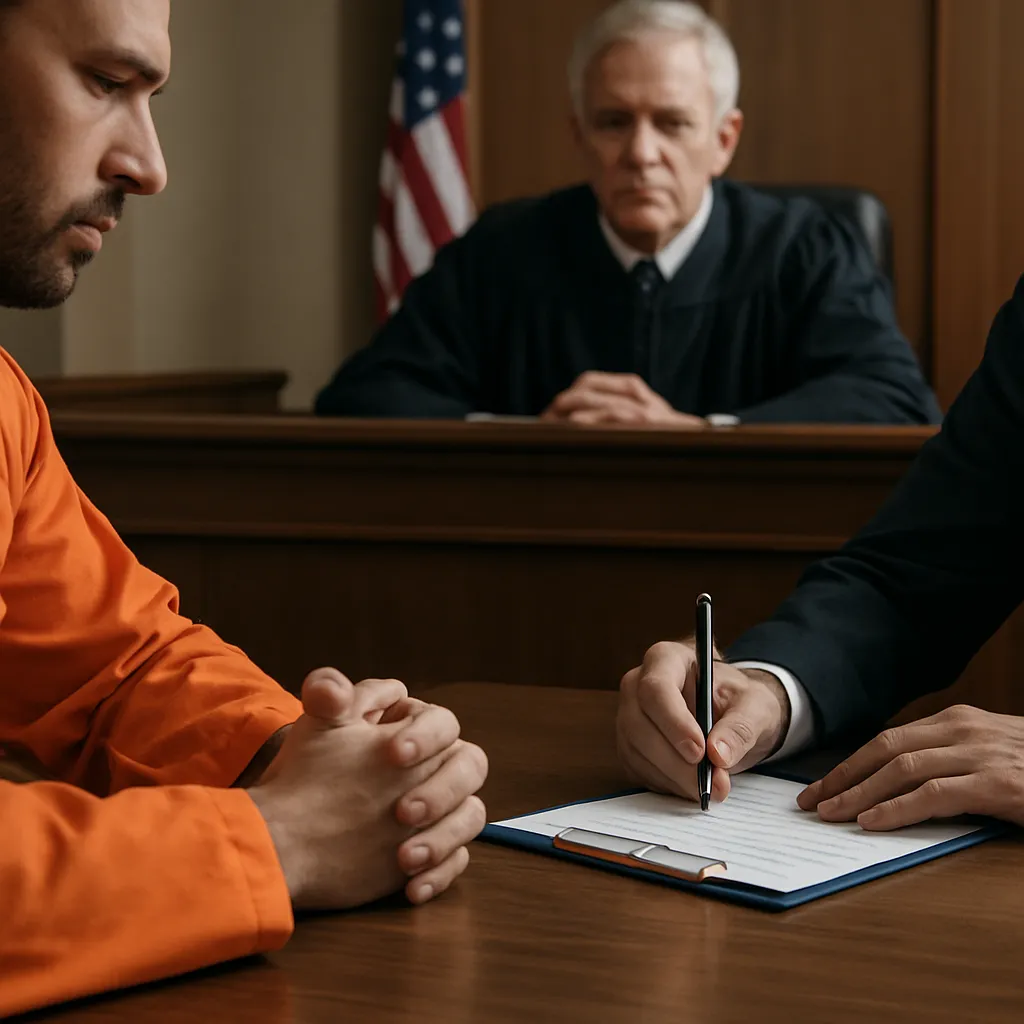
The courtroom is not merely a stage for witness testimony; it is also the arena where crucial pretrial procedures shape the course of a criminal case. When an accused individual steps before a judge, the decisions made long before trial day can determine whether evidence will be admitted, charges will be reduced, or even an entire case will be dismissed. For criminal lawyers, understanding the mechanics and tactical value of pretrial motions is essential to safeguarding a client’s constitutional rights and building a robust defense strategy.
Understanding Pretrial Motions
Pretrial motions are formal requests submitted to the court asking for specific rulings or orders before the trial begins. They function as legal tools to address preliminary issues that might affect the admissibility of evidence, the scope of the trial, or the charges themselves. Typically filed after arraignment but before the substantive hearings or jury selection, these motions provide an opportunity to challenge the prosecution’s case and negotiate from a position of informed strength.
Through pretrial motions, defense counsel can question:
- Whether law enforcement conducted a constitutional search and seizure
- The propriety of witness identifications and statements
- The sufficiency of charging documents
Properly utilized, these petitions can streamline or even conclude litigation without the time and expense of a full trial.
Types of Pretrial Motions and Their Functions
Motion to Suppress Evidence
The most commonly invoked motion in criminal defense, a motion to suppress targets illegally obtained evidence. Under the Fourth Amendment, evidence acquired through unreasonable searches or seizures is typically inadmissible. Successfully arguing suppression can cripple the prosecution’s case by excluding critical testimony, physical exhibits, or forensic results.
Motion to Dismiss
A motion to dismiss challenges the legal sufficiency of the charges or asserts procedural defects. Defendants may argue lack of jurisdiction, improper venue, or failure of the prosecution to state an offense under the relevant statutes. When facts alleged in the charging document fail to constitute a crime, or when prosecutorial conduct violates due process, dismissal can provide a complete victory before trial begins.
Motion for Discovery and Inspection
Discovery motions demand disclosure of the prosecution’s evidence. This includes police reports, witness statements, forensic analyses, and any exculpatory materials the state must reveal under Brady v. Maryland. Thorough discovery equips criminal lawyers with the information necessary to craft cross-examinations, negotiate plea deals, or identify grounds for additional motions, such as motions in limine to exclude prejudicial information.
Motion in Limine
To prevent prejudicial or irrelevant matters from reaching the jury, defense counsel may file motions in limine. Such requests ask the court to preclude references to prior convictions, certain witness histories, or inflammatory evidence that could sway jurors improperly. By delimiting the evidentiary bounds, these motions ensure the trial remains focused on legally relevant facts.
Strategic Importance in Criminal Defense
From a strategic standpoint, pretrial motions are critical levers. They allow skilled defense attorneys to:
- Test the strength of the prosecution’s case
- Force early disclosures that reveal weaknesses or contradictions
- Demonstrate to the court and opposing counsel a willingness to litigate vigorously
Early success in motion practice can shift bargaining power in favor of the defense. Prosecutors, confronted with the prospect of losing key evidence or seeing charges curtailed, may offer more favorable plea agreements. Conversely, a judge’s adverse ruling on a crucial motion can signal uphill battle, influencing decisions on whether to proceed to trial or negotiate.
Moreover, effective motion work helps uphold a client’s due process rights. Artful litigation of constitutional claims ensures that law enforcement and prosecutorial agencies remain within legal constraints. By challenging overbroad warrants, hidden informant interactions, or flawed eyewitness identifications, defense attorneys help preserve the integrity of the justice system.
Procedural Considerations and Best Practices
To maximize the impact of pretrial motions, criminal lawyers should adhere to several best practices:
- File motions timely and in compliance with court rules to avoid waiver
- Conduct a thorough factual investigation, including client interviews and review of police reports
- Articulate clear legal grounds, supported by precedent and statutory authority
- Include proposed orders and concise statements of relief to guide the court
- Prepare well-reasoned oral arguments, anticipating the prosecution’s counterpoints
Advanced preparation might involve consulting with forensic experts, subpoenaing surveillance footage, or retaining specialists to review technical processes in evidence collection. By combining diligent research with persuasive legal writing, attorneys increase the likelihood of favorable rulings.
During hearing, effective advocacy demands precision. Counsel should craft narratives that contextualize the facts within constitutional frameworks, ensuring judges recognize the stakes of excluding unlawfully obtained evidence. Clear, logical presentations underscore the defense’s credibility and can sway judicial discretion.
Conclusion
Pretrial motions represent more than procedural hurdles—they serve as pivotal moments where the trajectory of a criminal case can be reshaped. By mastering the art of motion practice, criminal lawyers protect clients’ rights, enhance negotiation leverage, and sometimes secure outcomes without the expense of a contested trial. In the complex landscape of criminal justice, these motions stand as indispensable tools for achieving fair and just resolutions.