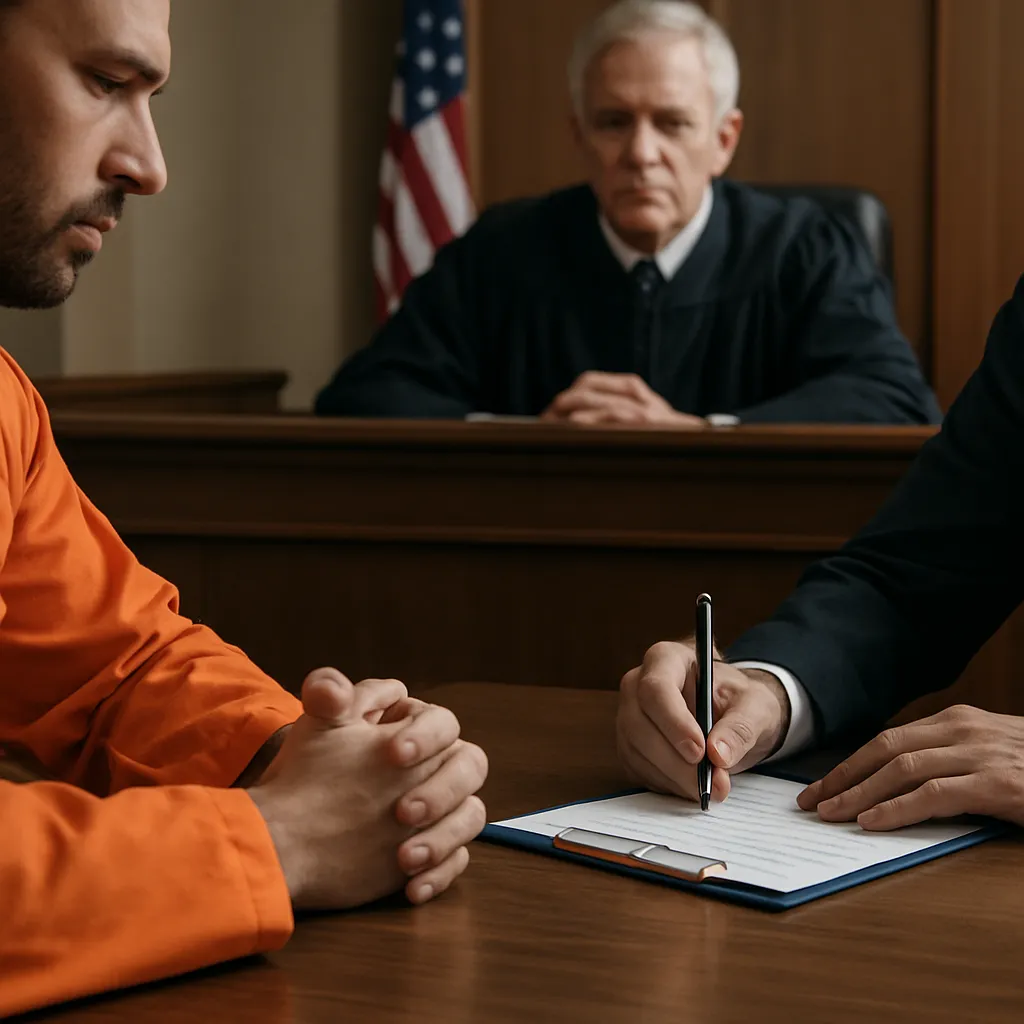
An individual’s journey through the justice system often culminates in a criminal record, a permanent mark that extends far beyond the courtroom. This record shapes future prospects and influences myriad facets of life. Understanding the multifaceted impact of a criminal history is vital for anyone facing charges or seeking counsel. Criminal lawyers play a pivotal role in guiding defendants through the process of minimizing long-term repercussions. The following sections delve into the legal consequences of maintaining a criminal record, explore potential remedies, and underscore the critical function of skilled legal advocacy.
Nature and Persistence of Criminal Records
A criminal record is a documented history of an individual’s interactions with the criminal justice system. It typically includes arrests, charges, convictions, sentencing details, and sometimes juvenile infractions. The record is maintained by law enforcement agencies, courts, and various government databases. Its contents and accessibility depend on jurisdictional rules and the severity of the offenses.
Classification of Offenses
- Infractions: Minor violations (e.g., traffic tickets) that rarely lead to jail time but appear in certain background reports.
- Misdemeanors: Intermediate offenses (e.g., petty theft, simple assault) with possible jail terms under one year and visible in most public records.
- Felonies: Serious crimes (e.g., burglary, drug trafficking, assault with a deadly weapon) carrying prison sentences over one year and prominently displayed on criminal background checks.
Duration and Accessibility
Once entered, a criminal conviction can remain accessible indefinitely, unless officials grant relief through sealing or expungement. Public agencies, private employers, and licensing boards can retrieve records via background checks, making past offenses a constant factor in decision-making processes decades later.
Collateral Consequences on Daily Life
The ripple effects of a conviction extend far beyond incarceration and fines. Individuals with criminal histories frequently encounter barriers in critical areas such as employment, housing, and civil rights. Identifying these obstacles is the first step toward crafting targeted legal strategies.
Employment and Economic Stability
- Employment Opportunities: Screening policies often exclude candidates with any felony convictions, drastically limiting employment opportunities.
- Professional Licensing: State boards may deny or revoke licenses for lawyers, nurses, teachers, and other professionals based on past offenses.
- Occupational Restrictions: Certain jobs, especially those requiring security clearances or access to vulnerable populations, remain off-limits.
Housing and Public Assistance
- Rental Applications: Landlords routinely run background checks, leading to automatic denials for those with serious records.
- Public Housing: Federal regulations may bar individuals with drug-related convictions from subsidized housing programs.
- Welfare Benefits: Some convictions can disqualify applicants from receiving food assistance or other social services.
Civil Liberties and Family Rights
- Voting Rights: In many jurisdictions, persons with felony convictions lose the right to vote until they complete their sentences or even permanently.
- Firearms Ownership: Federal and state laws often prohibit individuals with certain convictions from possessing firearms.
- Child Custody and Adoption: Criminal histories, especially involving violence or child endangerment, can severely hinder parental rights and adoption prospects.
Remedies and Relief Mechanisms
Although a criminal conviction carries enduring consequences, legal systems provide mechanisms to mitigate or remove certain record entries. Navigating these pathways requires thorough knowledge of local statutes and procedural hurdles.
Expungement and Record Sealing
Expungement is the process by which a court orders the destruction or sealing of specific criminal records. Once expunged, the offense no longer appears in most public searches, alleviating barriers to employment and housing. Eligibility criteria vary widely:
- Type of offense (e.g., nonviolent misdemeanors are more likely eligible).
- Waiting periods (often several years post-sentence completion).
- No subsequent convictions during the waiting window.
Pardons and Clemency
A gubernatorial or presidential pardon can restore civil rights and remove certain legal disabilities. Unlike expungement, a pardon acknowledges innocence or grants forgiveness but does not erase the conviction. Application processes often involve:
- Detailed petitions outlining rehabilitation efforts.
- Letters of recommendation and community endorsements.
- Demonstrated remorse and positive contributions post-conviction.
Alternative Sentencing and Diversion Programs
Before a conviction, defendants may qualify for diversion programs, drug courts, or restorative justice initiatives. Successful completion can lead to dismissal of charges and avoidance of a formal criminal record. Programs typically emphasize rehabilitation and community service over incarceration.
Role of Criminal Lawyers in Mitigating Consequences
Skilled legal counsel is indispensable at every stage of the criminal justice process. From initial arrest to post-conviction relief, criminal lawyers advocate for clients’ rights and craft strategies to reduce long-term fallout.
Pre-Trial Representation
- Case Assessment: Evaluating evidence, charges, and potential defenses to negotiate reduced or dismissed charges.
- Bail Hearings: Arguing for reasonable bail amounts to facilitate pre-trial freedom and minimize disruptions to personal and professional life.
- Plea Bargains: Securing favorable plea agreements that avoid harsher penalties and limit the severity of the criminal record.
Trial Advocacy
- Jury Selection: Vetting jurors to ensure impartiality and prevent bias based on background perceptions.
- Evidence Challenges: Filing motions to suppress unlawfully obtained evidence and cross-examining witnesses to weaken the prosecution’s case.
- Sentencing Mitigation: Presenting character witnesses and psychological evaluations to argue for reduced sentences or alternative penalties.
Post-Conviction Remedies
- Appeals: Identifying trial errors or constitutional violations to overturn convictions or secure retrials.
- Probation and Parole Advocacy: Assisting clients in complying with conditions, petitioning for early release, and reducing supervision periods.
- Record Sealing Petitions: Preparing and filing motions for expungement and sealing, guiding clients through hearings or written processes.
Special Considerations: Immigration and International Travel
Noncitizens face unique consequences when they acquire criminal records. Even minor convictions can jeopardize lawful immigration status and lead to removal proceedings. International travel may also be restricted, as many countries deny entry to individuals with certain convictions.
Immigration Status Impact
- Deportability: Convictions for aggravated felonies or crimes involving moral turpitude can trigger mandatory removal.
- Admissibility: Visa applications may be denied if the applicant fails to disclose convictions during the screening process.
- Waivers: Some offenses allow waiver applications, requiring strong evidence of hardship and rehabilitation.
Travel Bans and Entry Denials
Countries like Canada, Australia, and the United Kingdom maintain strict entry regulations for travelers with felony convictions. Securing temporary or permanent waivers involves detailed documentation and considerable lead time. Legal guidance is crucial to navigate these international protocols.
Ensuring Fairness and Protecting Rights
Maintaining balance between public safety and individual civil liberties is a complex challenge for justice systems worldwide. Advocacy efforts and legislative reforms strive to reduce the stigma of past offenses, promote second chances, and reintegrate individuals as productive community members. Criminal lawyers stand at the forefront of this mission, ensuring every client receives robust legal representation and a fair opportunity to rebuild their lives.