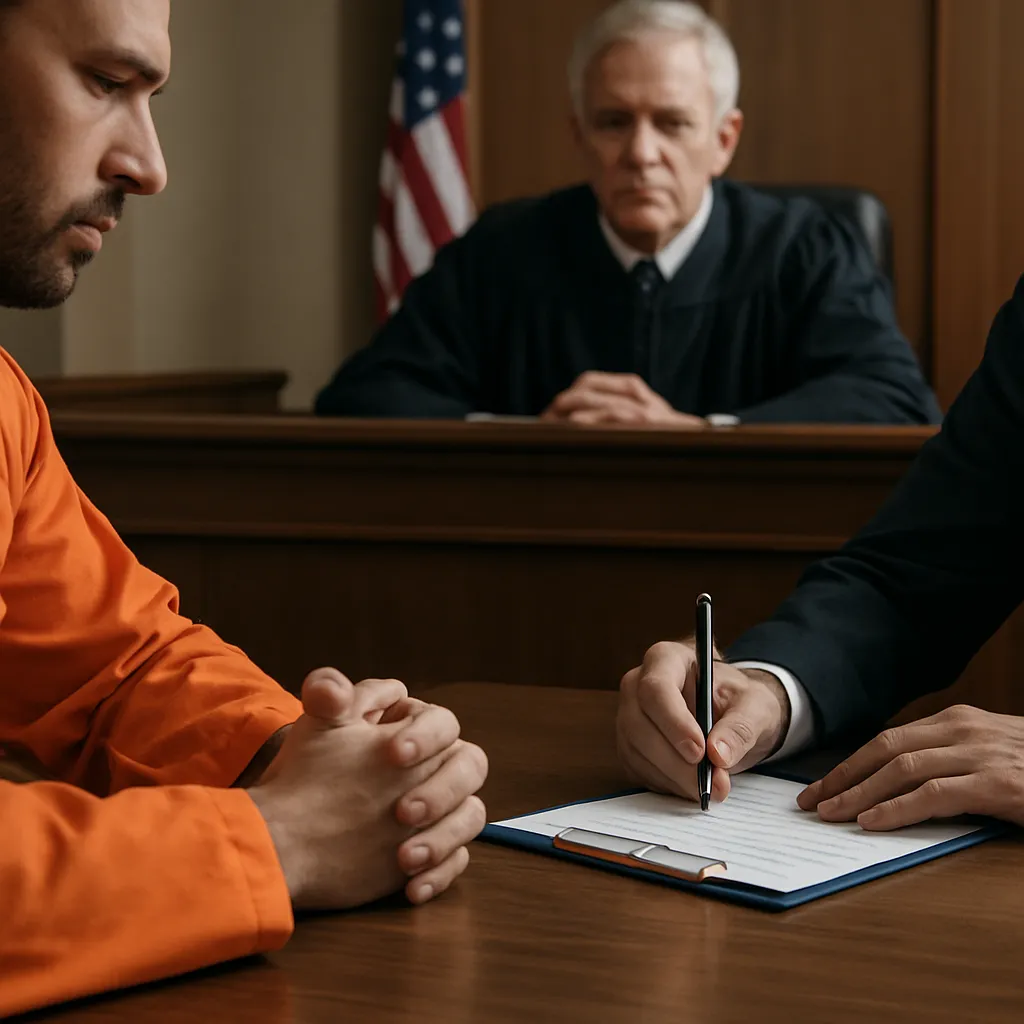
Criminal lawyers occupy a pivotal position within the justice system, navigating complex procedures and advocating for clients facing serious charges. Their work demands an intricate balance of legal knowledge, strategic planning, and persuasive communication. This article explores the multifaceted responsibilities of criminal lawyers, the skills they must master, and the typical progression of a case from investigation to resolution.
Understanding the Core Responsibilities
A criminal lawyer serves as the primary line of defense for individuals accused of criminal conduct. They liaise between the client and the court, ensuring every step in the process upholds the client’s rights. From the moment of arrest to final sentencing, these attorneys build a comprehensive case strategy aimed at minimizing legal consequences.
Case Evaluation and Early Intervention
At the outset, a criminal lawyer conducts an exhaustive review of the facts. This includes:
- Examining police reports and witness statements
- Assessing the validity of search warrants
- Identifying any procedural missteps that could lead to case dismissal
Early intervention often involves filing motions to suppress illegally obtained evidence or negotiating pretrial agreements that reduce charges.
Client Counseling and Decision-Making
Effective representation goes beyond the courtroom. Lawyers counsel clients on potential outcomes, plea options, and the emotional toll of litigation. Clear, empathetic dialogue empowers accused individuals to make informed decisions about their defense strategy.
Essential Skills and Qualifications
Criminal law requires a unique skill set. While a law degree and bar admission are prerequisites, the day-to-day demands call for specialized abilities.
Analytical and Research Skills
To craft a compelling defense, lawyers must dissect statutes, analyze precedent, and interpret complex case law. Thorough investigation skills enable them to uncover exculpatory evidence and challenge the prosecution’s narrative.
Persuasive Communication and Negotiation
In plea bargaining and trial settings, persuasive abilities are invaluable. Lawyers argue motions, present opening statements, and cross-examine witnesses with precision. Mastering negotiation can lead to favorable plea deals, sparing clients the uncertainty of a jury verdict.
Emotional Resilience and Ethics
Defending clients accused of serious crimes tests emotional fortitude. Attorneys must remain impartial advocates, adhering to a strict code of ethics while facing intense scrutiny. Upholding client confidentiality and zealous advocacy are non-negotiable obligations.
The Criminal Defense Process
Navigating a criminal case involves multiple stages, each with strategic considerations and procedural deadlines.
Investigation and Pretrial Motions
Following arraignment, defense counsel can file motions to challenge evidence, secure discovery, and request pretrial hearings. Successful motions may suppress critical evidence, forcing the prosecution to reassess its case.
Plea Bargaining vs. Trial
Most criminal cases resolve through plea negotiations. Lawyers weigh the risks of trial against guaranteed outcomes of a plea deal. While trial poses the chance for acquittal, it also carries unpredictable consequences, making strategic judgment essential.
Trial Preparation and Presentation
When cases proceed to trial, lawyers undertake exhaustive preparation: drafting juror questionnaires, preparing witness examinations, and developing alternative theories of the incident. During trial, they engage in direct and cross-examination, striving to undermine the prosecution’s strategy.
Sentencing and Appeals
Upon conviction, attorneys advocate for reduced sentences by highlighting mitigating factors. In cases of procedural error or constitutional violations, they may pursue appeals, seeking to overturn unjust rulings or secure retrials.
Specializations and Career Pathways
Criminal law offers varied career trajectories, allowing practitioners to focus on specific areas or roles within the system.
Public Defenders vs. Private Practitioners
Public defenders handle large caseloads on behalf of indigent clients, gaining extensive courtroom experience quickly. Private attorneys, meanwhile, often manage fewer cases but can devote more resources to each client through private investigation teams and expert witnesses.
White-Collar Crime and Regulatory Defense
Attorneys may specialize in complex financial crimes, representing corporations or executives in fraud, embezzlement, and money laundering cases. This niche demands proficiency in forensic accounting and regulatory compliance.
Appellate Advocacy
Some lawyers concentrate on appellate work, reviewing trial records to craft legal arguments for higher courts. Appellate specialists excel in written briefs and oral arguments, seeking to shape jurisprudence and protect constitutional principles.
Investigator and Expert Collaboration
Criminal lawyers often collaborate with private investigators, forensic scientists, and behavioral analysts. Together, they reconstruct events, validate alibis, and challenge the prosecution’s technical claims.
Challenges and Ethical Considerations
Working in criminal law entails constant ethical vigilance and the ability to handle high-stakes pressure.
Balancing Zeal with Professional Responsibility
While attorneys must advocate ardently, they cannot mislead courts or present false evidence. Maintaining integrity builds credibility that benefits clients in the long term.
Managing High Caseloads and Burnout
—particularly in public defense—excessive workloads can jeopardize the quality of representation. Time management and support networks are critical to sustaining effective advocacy.
Ensuring Fairness and Access to Justice
Criminal lawyers play a vital role in safeguarding the justice system’s fairness. By upholding due process and challenging systemic inequities, they contribute to a more balanced legal landscape.