The role of a criminal lawyers in guiding clients through the complexities of a grand jury hearing is both critical and challenging. This secret proceeding serves as a gatekeeper for serious criminal charges, determining if there is enough evidence to proceed with an indictment. Understanding each stage—from juror selection to the issuance of charges—allows legal teams to craft effective defense strategies and safeguard constitutional rights.
Understanding the Purpose of a Grand Jury Hearing
The primary aim of a grand jury hearing is to establish whether prosecutors possess sufficient evidence to believe a crime occurred. Unlike a trial jury that weighs guilt or innocence, this panel focuses strictly on determining probable cause. If jurors conclude the evidence meets this threshold, they return a “true bill,” triggering formal charges. If not, they issue a “no bill,” ending the matter unless new evidence emerges. This preliminary check helps prevent frivolous prosecutions and ensures that only cases with a factual basis advance to trial.
The Grand Jury Process: What to Expect
Jury Composition and Selection
Grand jurors are drawn from the same pool as trial jurors but typically serve longer terms. A panel often comprises 16 to 23 members, depending on jurisdiction. Unlike trial juries, unanimity is not always required; a simple majority or supermajority may suffice to indict. The foreperson, elected by peers, guides proceedings and records the vote. Understanding this composition is crucial for counsel aiming to assess potential juror biases and procedural nuances.
Role of Prosecutors and Witnesses
The prosecutor controls the flow of information, deciding which witnesses to call and what evidence to present. Witnesses receive a subpoena compelling their appearance and may face penalties for noncompliance. During testimony, the prosecutor highlights incriminating details while seeking to preemptively address potential defense challenges. Because defense counsel cannot actively participate inside the room, preparing witnesses thoroughly outside the hearing is vital to mitigate surprises.
Evidence Presentation and Examination
While grand jury rules are less stringent than those at trial, many jurisdictions require the presentation of both inculpatory and exculpatory evidence. Testimony, documents, audio or video recordings, and expert reports may all appear. Jurors can question witnesses directly, enabling them to probe inconsistencies and gauge credibility. Attorneys often review investigative materials in advance to identify weaknesses or evidentiary gaps that can inform later motions or trial strategy.
Secrecy and Confidentiality
By statute, grand jury hearings are cloaked in secrecy. This preserves witness privacy, prevents evidence tampering, and reduces the risk of pre-trial publicity tainting future jurors. All participants must maintain strict confidentiality, and unauthorized disclosures can incur criminal or civil sanctions. Sealed indictments may be used when public knowledge of charges could jeopardize ongoing investigations or the accused’s rights.
Rights and Protections for Witnesses and Subjects
Fifth Amendment Considerations
Witnesses have the constitutional right against self-incrimination under the Fifth Amendment. Individuals summoned as witnesses may refuse to answer questions that expose them to criminal liability. Prosecutors often offer “use immunity” in exchange for testimony, ensuring statements cannot be used against the witness in subsequent proceedings. However, independent evidence gathered separately remains fair game.
Witness Status and Legal Representation
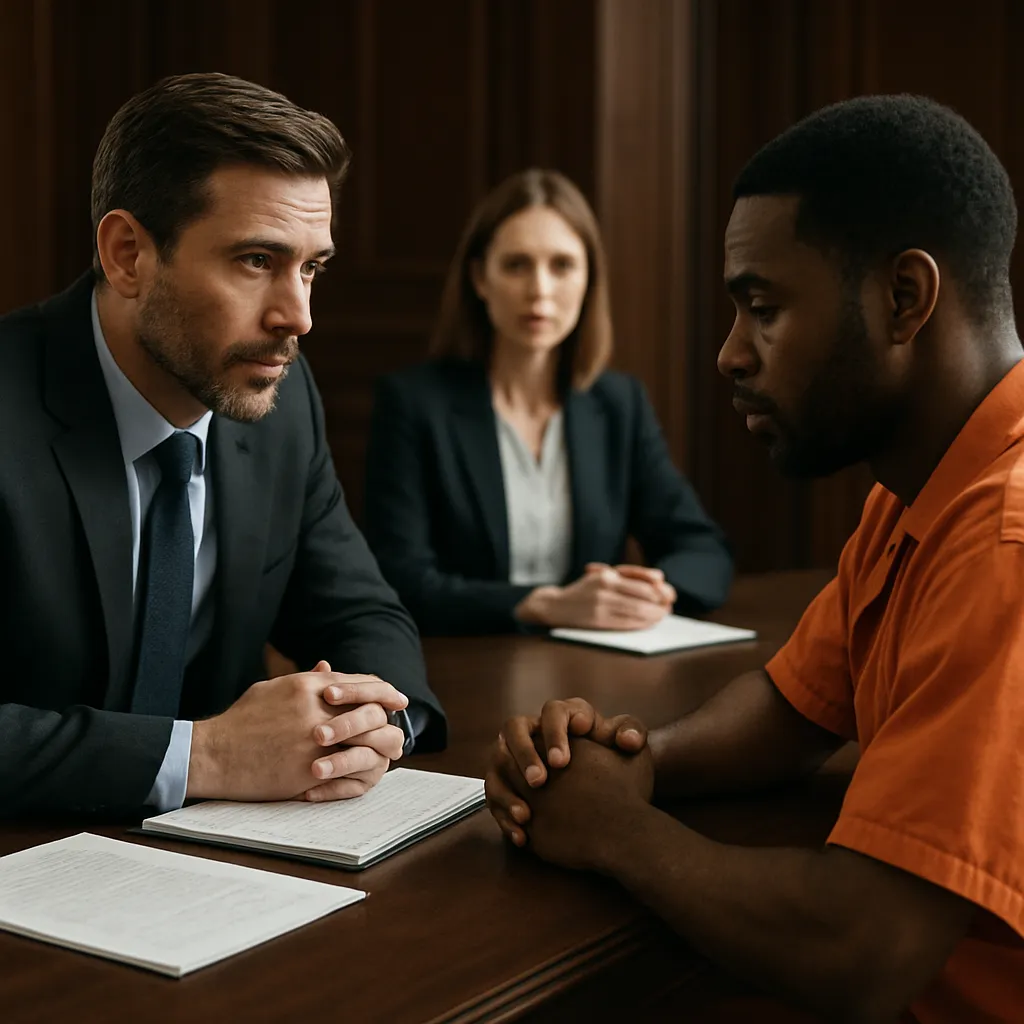
Participants fall into two categories: witnesses and targets. A target is someone the prosecutor reasonably believes committed a crime. While targets can testify, they face greater risks. All witnesses, including targets, may consult a defense attorney outside the grand jury room but cannot have counsel present during questioning. Proper legal preparation helps safeguard witness rights and ensures any invocation of privilege is handled correctly.
Implications of Grand Jury Decisions
True Bills, No Bills, and Indictments
A “true bill” signals that the grand jury finds probable cause and warrants an indictment. Formal charges are filed, and the case advances to arraignment, pre-trial motions, and possibly trial. Conversely, a “no bill” ends the investigation absent new evidence. Prosecutors may reconvene the grand jury if additional proof arises, but the initial decision provides a critical reprieve for subjects who avoid indictment.
Impact on Defense Strategy and Plea Negotiations
An indictment shapes the contours of the defense approach. Lawyers analyze the grand jury record to identify weaknesses, procedural errors, or instances of overreach. Armed with that insight, defense teams may file motions to suppress improperly obtained evidence or negotiate plea agreements. Early engagement with the prosecution, grounded in a thorough understanding of the grand jury proceedings, often yields more favorable outcomes for clients.