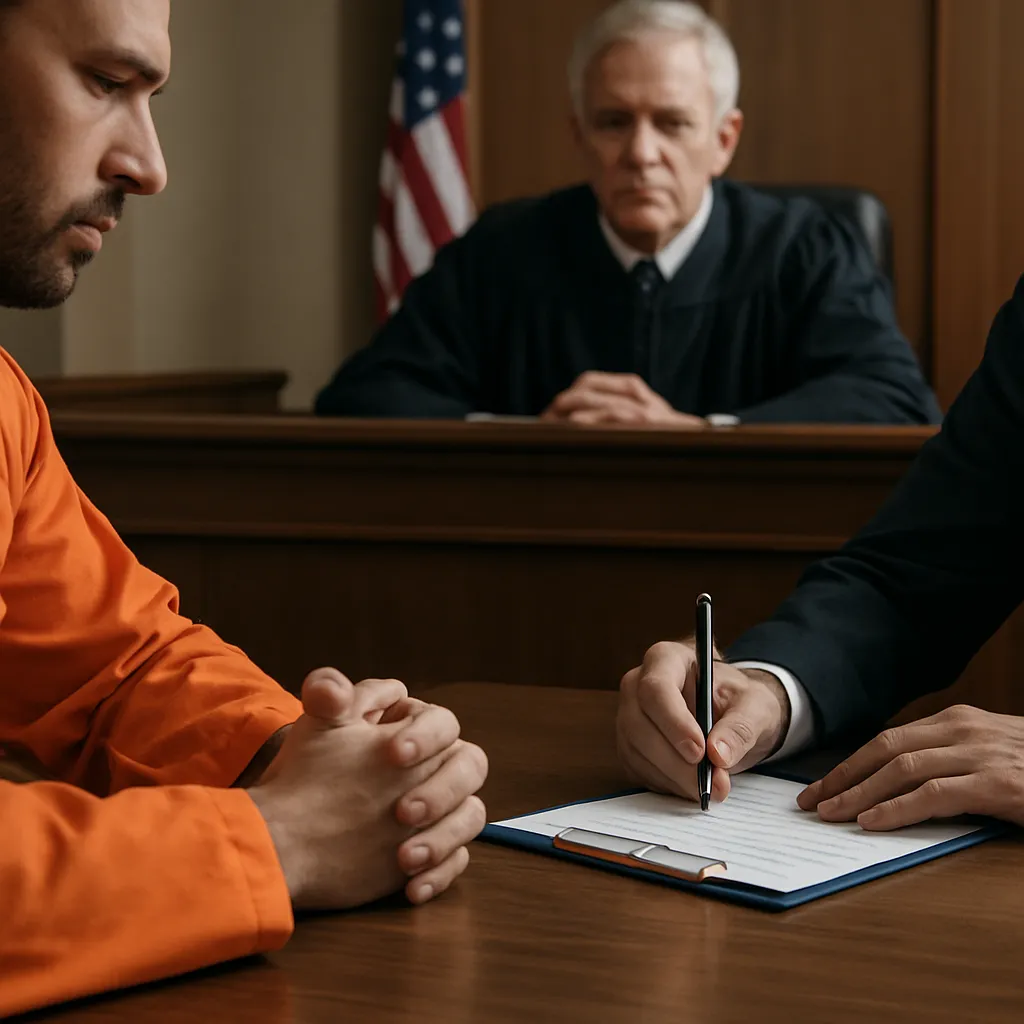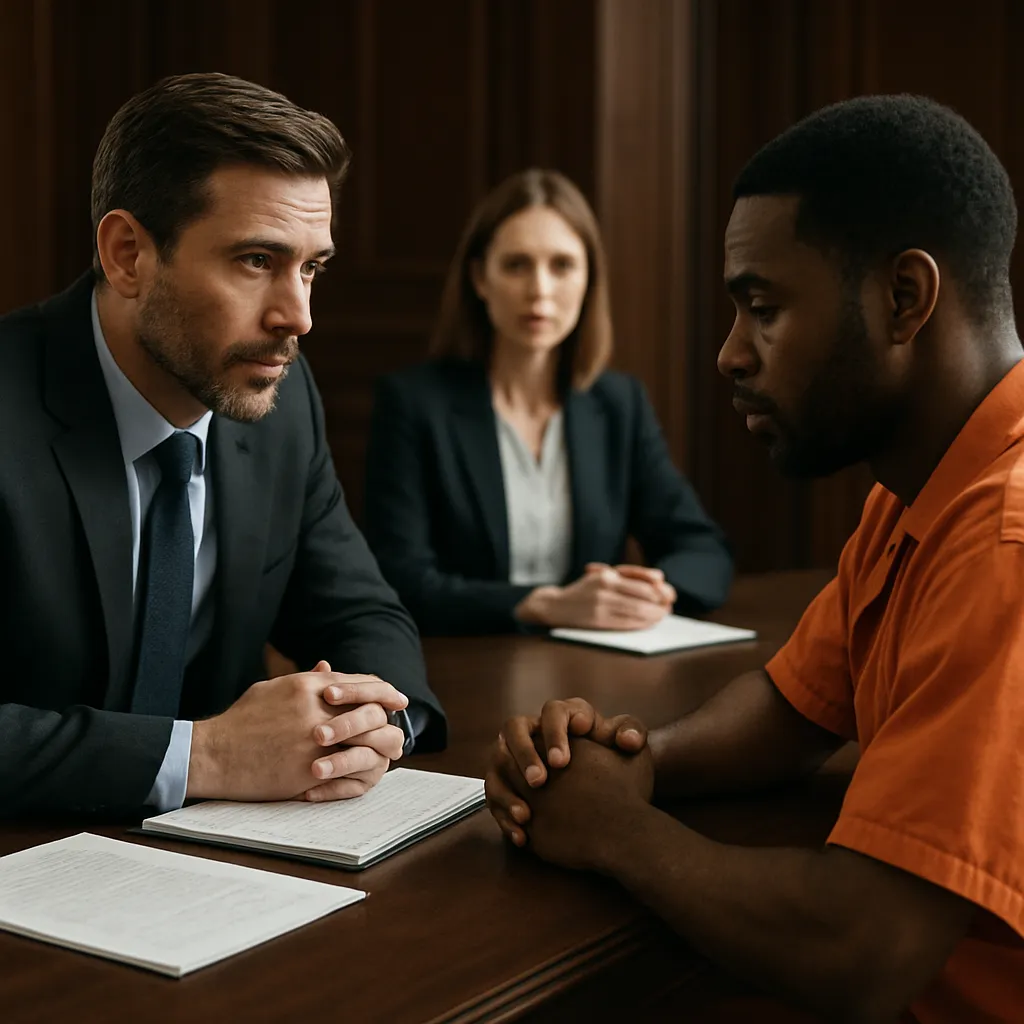
The labyrinthine nature of criminal law often baffles laypersons and professionals alike. From intricate procedural steps to the nuanced interpretation of core doctrines, the system demands a multifaceted understanding. In examining what contributes to its complexity, we explore the historical underpinnings, critical legal principles, and the pivotal role of criminal lawyers in navigating this demanding landscape.
The Foundations of Criminal Law
At its core, criminal law rests on several pillars that have evolved over centuries. Early legal codes laid down basic rules for punishing wrongdoing, but modern systems integrate diverse influences:
- Common law traditions emphasizing case law and precedent
- Legislative frameworks built upon comprehensive statutes
- Constitutional safeguards that define the limits of governmental power
Historical milestones—such as the Magna Carta and the U.S. Bill of Rights—enshrined concepts like trial by jury and prohibition of cruel punishment. These developments reinforced the principle that a state’s power to punish must be balanced by protections for individual liberty. Over time, courts and legislatures refined definitions of crime, punishment, and rights, leading to a dynamic legal tapestry in which each component influences the others.
Key Doctrines and Procedures
Several fundamental doctrines underscore criminal justice, each adding layers of complexity:
- Jurisdiction: Determining which court has authority over a case based on geography, subject matter, or parties involved.
- Due process: Ensuring fair procedures and protecting individuals from arbitrary state action.
- Presumption of innocence, placing the burden of proof squarely on the prosecution.
- Proportionality, mandating that punishment fits the gravity of the offense.
Stages of a Criminal Case
The journey from arrest to resolution involves multiple phases, each governed by detailed rules:
- Investigation and charging, where law enforcement gathers information and prosecutors file complaints or indictments.
- Initial appearance and bail hearings, balancing flight risk against freedoms.
- Pretrial motions and discovery, during which parties exchange information on witnesses, documents, and evidence.
- Trial, where juries or judges deliberate based on presentations of fact and law.
- Sentencing, guided by statutory ranges, mitigating factors, and sometimes victim impact statements.
- Appeals, allowing review of legal errors or constitutional violations.
Each step is governed by detailed codes or rules—often running hundreds of pages—on issues such as admissibility of statements, chain of custody, and double jeopardy. Attorneys must master this procedural labyrinth to effectively advocate for their clients.
Role of Criminal Lawyers
Criminal lawyers, whether defense counsel or prosecutors, occupy a critical position in safeguarding justice. Their functions include:
- Case analysis, examining facts to assess strengths, weaknesses, and potential defenses
- Negotiation of pleas, balancing the risks of trial against guaranteed outcomes
- Representation at hearings and trials, crafting persuasive arguments on matters like mens rea or lack of intent
- Ensuring compliance with stringent procedural requirements
- Filing motions to suppress unlawfully obtained evidence or challenge unconstitutional searches
Underpinning these tasks is the obligation to uphold ethical standards. Defense lawyers must provide zealous representation, even for unpopular clients, while prosecutors bear a higher duty: to seek justice rather than mere convictions.
Challenges and Evolving Trends
The complexity of criminal law is not static; it continues to grow with societal changes and technological advances. Key challenges include:
- Massive volumes of digital data requiring specialized knowledge in digital forensics and the implications for privacy and infringement of rights.
- Interplay between federal and state laws, where differing definitions of offenses create conflicts in jurisdiction.
- Sentencing reforms aiming to correct disparities, leading to retroactive adjustments and complex resentencing processes.
- Increased reliance on expert testimony in areas such as DNA analysis, mental health evaluations, and financial transactions.
Continuous legislative updates—often in response to new threats like cybercrime or terrorism—demand that practitioners remain current. Law schools and continuing legal education programs strive to equip attorneys with skills in defense strategies, ethical decision-making, and technological literacy.
Future Directions
Looking ahead, the landscape of criminal law will likely feature greater integration of artificial intelligence, improved standards for forensic reliability, and a continued push toward restorative justice models. With these changes, the core tension persists: balancing societal safety with the protection of individual freedoms. Ultimately, the field’s enduring complexity stems from its commitment to holding wrongdoers accountable while preserving the fundamental rights that define a just society.