A preliminary hearing is a critical stage in the criminal justice process where the court determines if there is sufficient probable cause to proceed to trial. For many defendants, this appearance represents the first real opportunity to challenge the prosecution’s evidence and advocate for reduced charges or bail adjustments. Understanding what to expect, who will participate, and how to prepare can make the difference between continued detention and early case resolution. This article explores the purpose, procedures, and strategic considerations that guide criminal lawyers through this pivotal hearing.
Understanding the Purpose of a Preliminary Hearing
The primary function of the preliminary hearing is to act as a filter, ensuring that only cases with a valid legal basis move forward. Unlike a full trial, the focus here is not on determining guilt or innocence but on establishing whether the prosecution has met the threshold of probable cause. Defense counsel can scrutinize the state’s case, evaluate the strength of its testimony, and explore potential weaknesses before expensive and time-consuming litigation begins.
During this stage, the judge evaluates sworn statements and hears modest testimony, often from law enforcement officers. If the judge finds that evidence fails to meet the legal standard, a motion for dismissal may succeed, potentially halting prosecution efforts. Even if the case advances, defense lawyers can gather valuable information about the state’s theories, witness reliability, and documentary support.
Key Participants and Their Roles
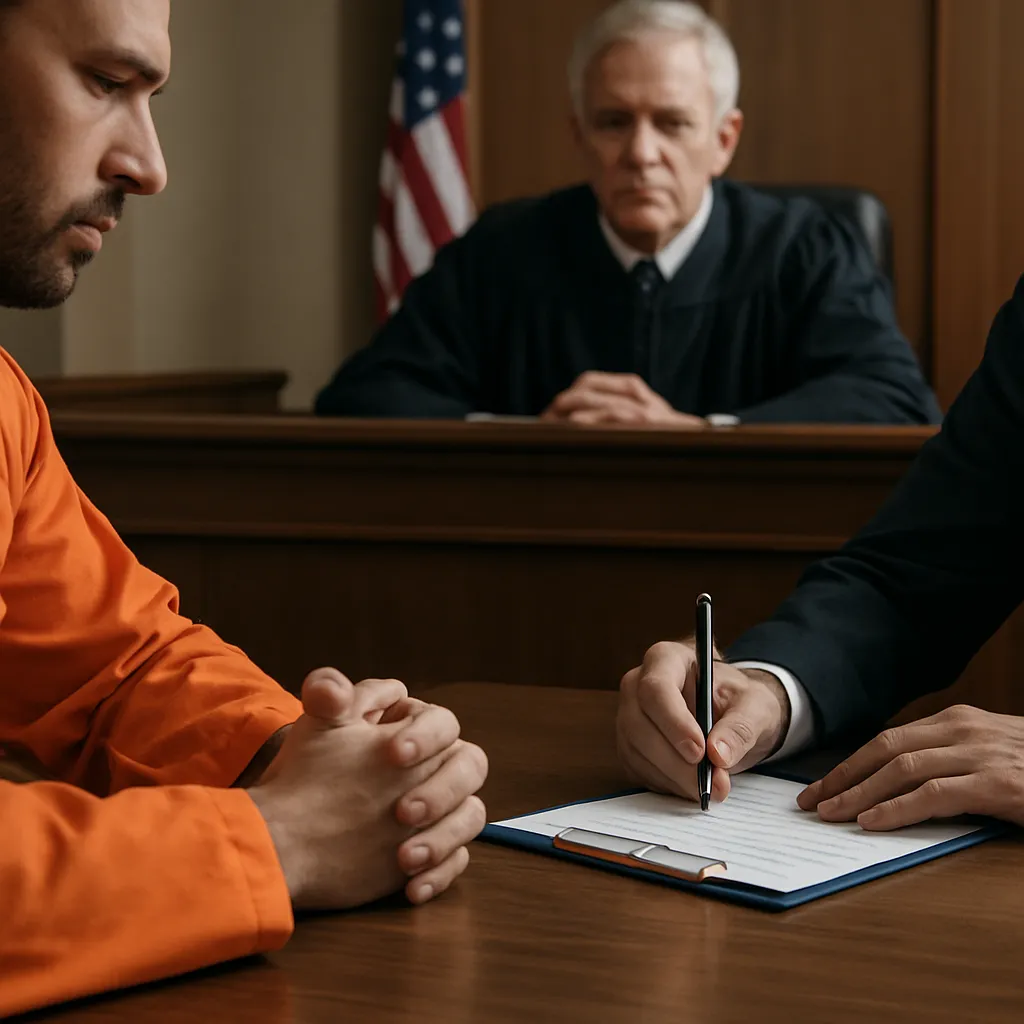
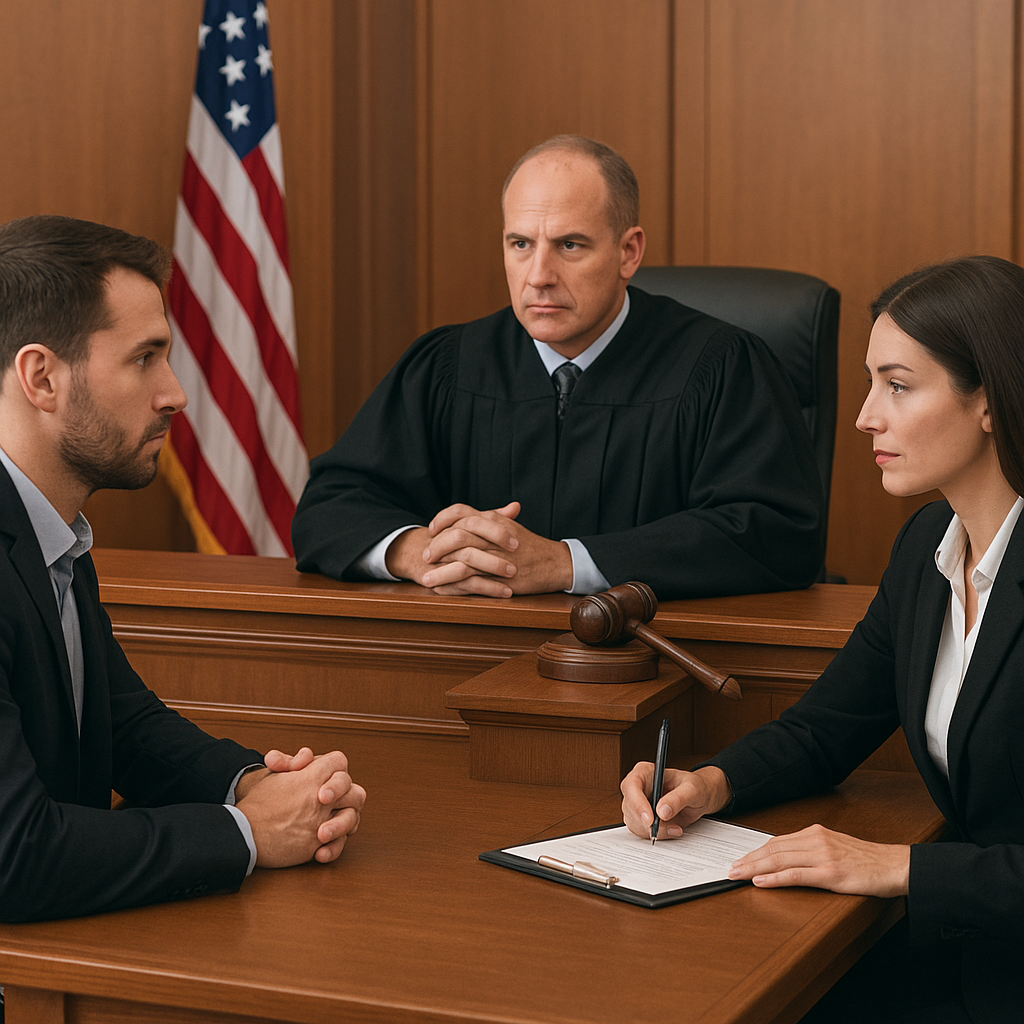
Several individuals play essential parts in the preliminary hearing. Each has specific responsibilities that influence the proceedings and shape the outcome:
- Judge: The arbiter who decides whether the prosecution’s evidence satisfies the probable cause requirement.
- Prosecution: Presents witnesses, lays the factual groundwork, and argues for the right to continue to trial.
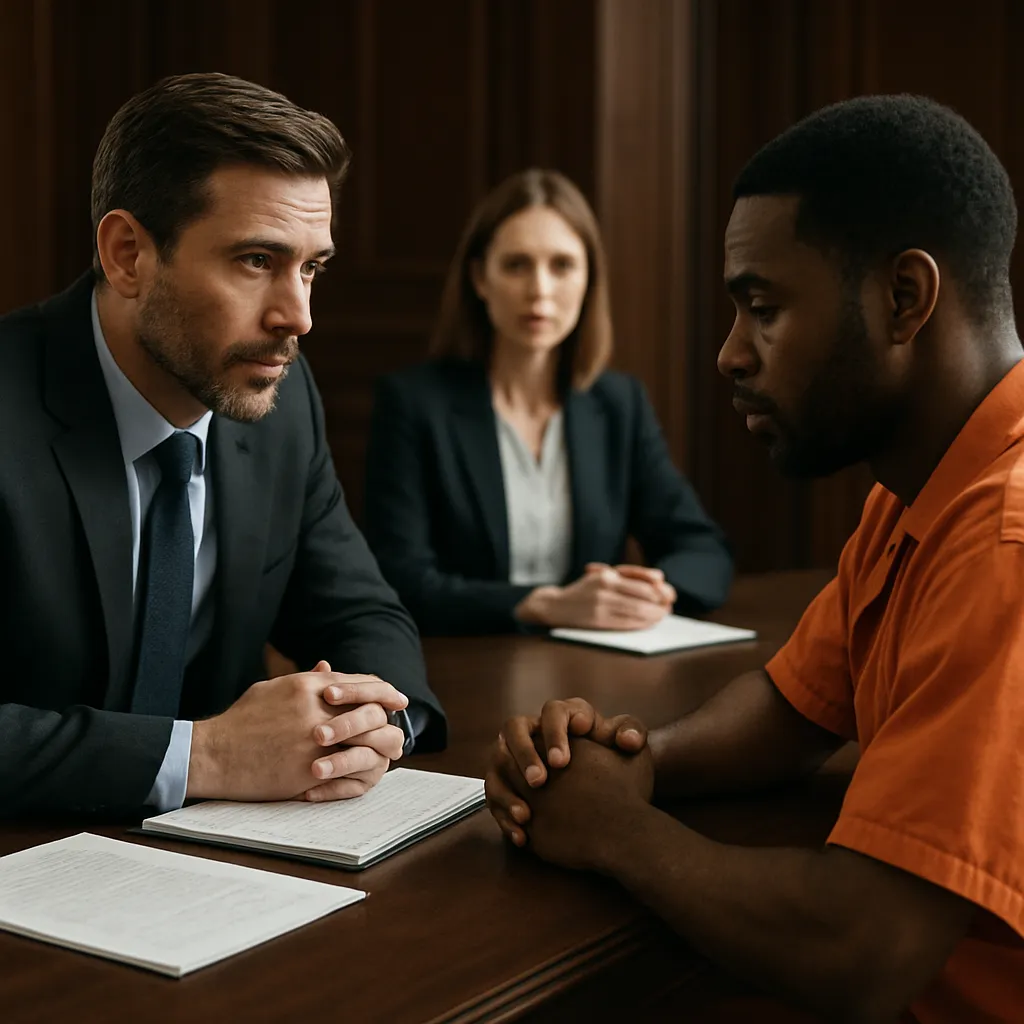
- Defense Attorney: Challenges admissibility, cross-examines witnesses, and may introduce rebuttal evidence.
- Defendant: The individual whose rights and freedoms are at stake, often present to observe and confer with counsel.
The Judge’s Function
The presiding judge maintains courtroom decorum, resolves evidentiary disputes, and ultimately decides if the case should proceed. Because this hearing mirrors an abbreviated trial, the judge’s interpretation of preliminary rules and standards can foreshadow trial rulings.
The Prosecution’s Strategy
Prosecutors aim to present a coherent narrative supported by reliable witnesses. They will often call police officers to the stand to recount the investigation and arrest, and they may introduce physical evidence such as photographs, seized items, or forensic reports. Their goal is to show that a reasonable person could conclude that a crime likely occurred.
The Defense Role
Defense counsel has several tactics at their disposal:
- Intensive cross-examination of prosecution witnesses to uncover inconsistencies.
- Filing pre-hearing motions to exclude inadmissible testimony.
- Arguing for reduced bail or alternative release conditions based on mitigating factors.
Typical Procedures and Timeline
While each jurisdiction has its own rules, the flow of a preliminary hearing generally follows a predictable pattern. Understanding these steps can help both attorneys and clients plan effectively.
- Opening Statements: Brief outlines of each side’s position.
- Prosecution Case-in-Chief: Presentation of witnesses and documents supporting the charges.
- Defense Cross-Examination: Pointed questioning aimed at weakening the state’s factual claims.
- Defense Presentation (Optional): Introduction of limited putative evidence or witness testimony.
- Rebuttal and Closing Arguments: Short recaps emphasizing either the presence or absence of probable cause.
- Judicial Determination: The judge announces whether the case will proceed to trial.
Throughout this timeline, attorneys must remain alert to evidentiary objections, hearsay challenges, and discovery violations. Even small procedural victories at this stage can have ripple effects later in the case.
Strategic Considerations for Criminal Defense Lawyers
Successful defense counsel treat the preliminary hearing as more than a formality. They often view it as a rehearsal for trial, using it to:
- Assess witness demeanor and reliability.
- Gauge the strength of the prosecution’s testimony and introduce impeachable inconsistencies.
- Develop themes that can carry into jury selection and final arguments.
- Explore early plea bargaining opportunities by demonstrating potential vulnerabilities in the state’s case.
By pushing for early disclosure of police reports, forensic analyses, and laboratory findings, defense attorneys can spot weaknesses long before the trial date. This proactive approach often leads to more favorable plea negotiations or even case dismissal when the state recognizes gaps in its proof.
Possible Outcomes and Next Steps
At the conclusion of a preliminary hearing, one of three primary outcomes will occur:
- Proceed to Trial: The judge finds sufficient probable cause and binds the case over for trial.
- Reduced Charges: In rare instances, prosecuting authorities may amend charges to reflect lesser offenses.
- Case Dismissal: The court concludes that evidence is too weak, leading to immediate termination of the proceedings.
If bound over, defendants typically face arraignment and continued pretrial motions. Many defense teams revisit plea bargaining options at this juncture, especially if new information emerged during the hearing. Conversely, a successful motion for dismissal spares the client from months of litigation and safeguards future employment, reputation, and personal freedom.
Conclusion of Preliminary Hearing Dynamics
While the preliminary hearing does not determine guilt, it frames the battle lines for what follows. Criminal lawyers who master this stage leverage their understanding of cross-examination, procedural rules, and evidentiary standards to protect client rights and reduce exposure. Whether seeking outright dismissal or strategic leverage in plea bargaining, the preliminary hearing remains an indispensable forum in the criminal justice system.