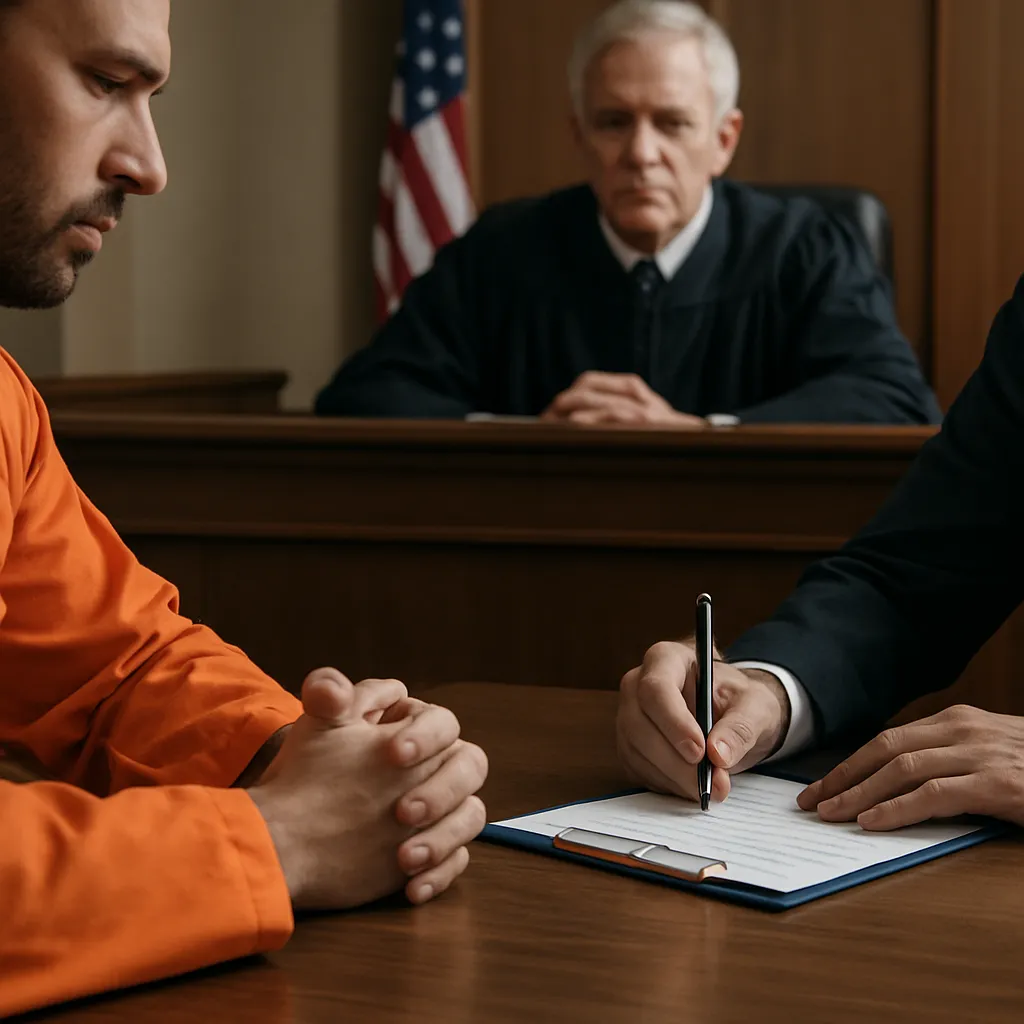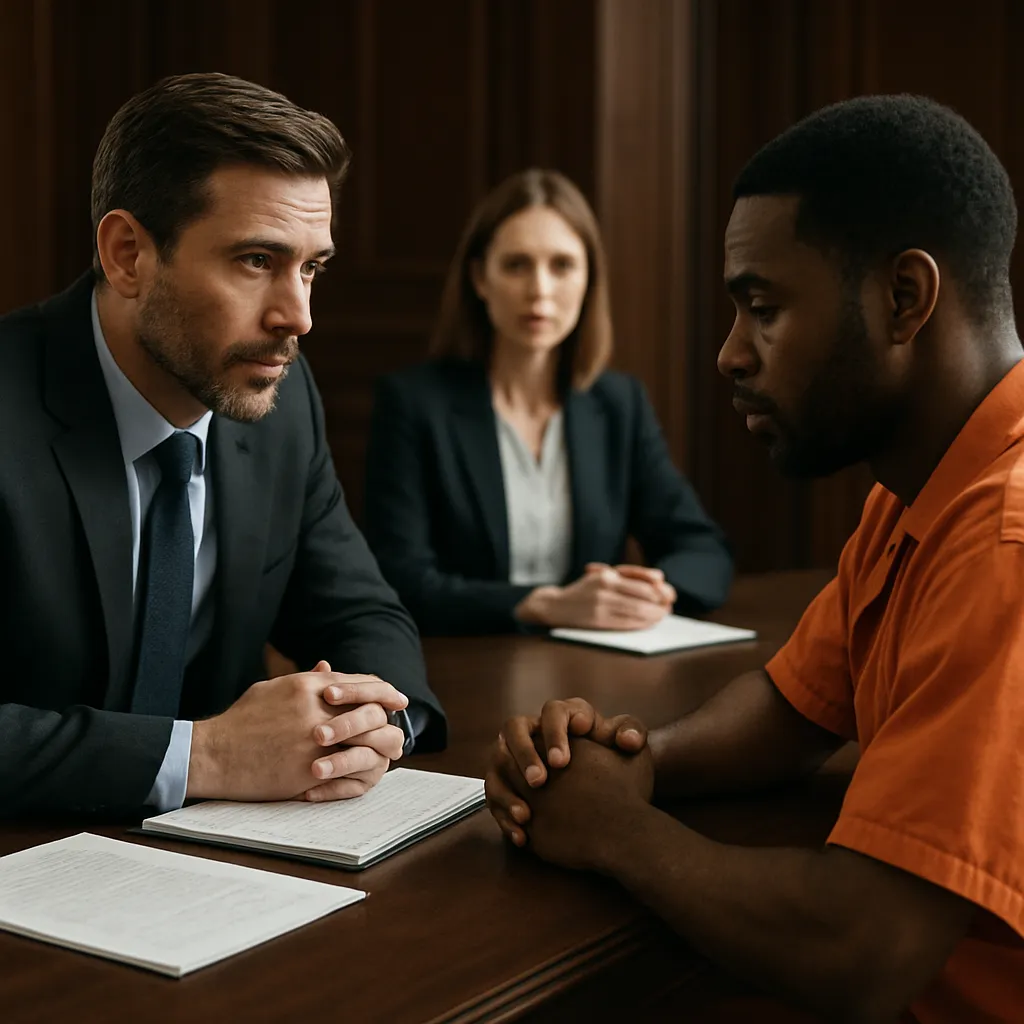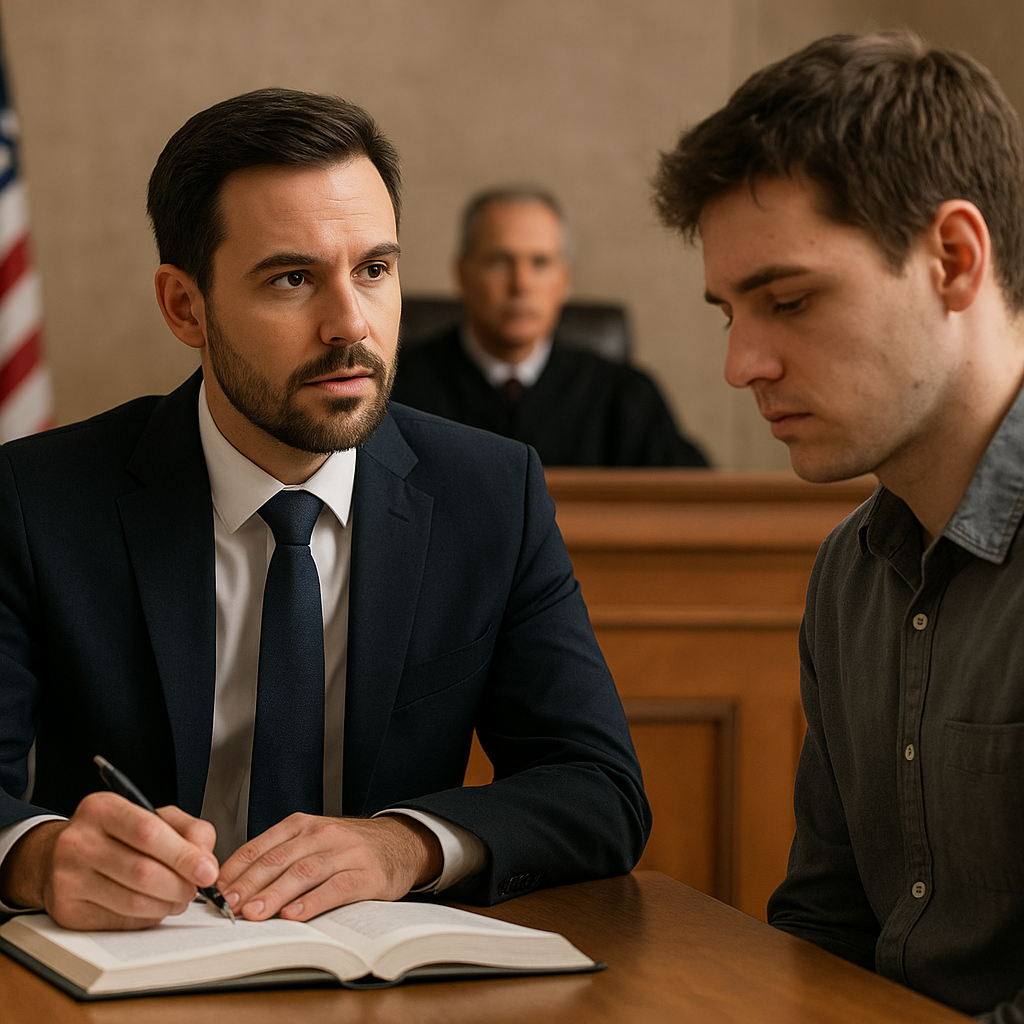
Facing criminal charges can be overwhelming, but securing a public defender ensures that you have experienced legal counsel committed to protecting your constitutional rights from the earliest stages. Understanding how a public defender’s office operates, what services you can expect, and the challenges defenders face is crucial for building a strong attorney-client relationship and navigating the criminal justice system effectively.
Qualifications and Roles of a Public Defender
Public defenders are attorneys appointed by the state or federal government to provide legal representation to individuals who cannot afford private counsel. Despite a common misconception that public defense equates to inferior service, many public defenders are highly skilled lawyers who choose this career path out of a profound sense of advocacy and commitment to equal justice.
Educational Background and Licensing
Before entering a public defender’s office, attorneys must graduate from an accredited law school, pass the bar exam in their jurisdiction, and maintain active membership in the state bar association. Ongoing continuing legal education (CLE) requirements ensure defenders stay updated on evolving statutes, case law, and trial techniques.
Ethical Responsibilities and Client Trust
Public defenders adhere to the same professional rules of conduct as private attorneys. They must maintain confidentiality, avoid conflicts of interest, and provide zealous representation. Their ethical duties include:
- Safeguarding client-attorney privilege
- Providing candid legal advice
- Refraining from actions that serve personal gain over client interests
Initial Consultation and Case Assessment
The first meeting with a public defender is critical for establishing rapport and laying the groundwork for a robust defense. During this phase, you can expect thorough fact-finding, realistic guidance, and strategic planning.
Collecting Key Information
Defenders will ask detailed questions covering:
- The circumstances surrounding your arrest or citation
- Potential witnesses and available evidence
- Your personal history, including prior arrests or convictions
- Any mitigating factors, such as health issues or employment status
This information helps the defender evaluate charges, identify possible legal defenses, and anticipate prosecutorial strategies.
Explaining the Legal Process
At your first meeting, a public defender will clarify the courtroom procedures and typical timelines for pretrial hearings, arraignment, discovery, and possible trial dates. You should leave the consultation with a clear understanding of:
- Key court dates and deadlines
- Potential outcomes, including plea bargains or motions to suppress evidence
- Your active role in providing evidence and testimony
Managing Workload, Resources, and Communication
Public defender offices often operate under tight budgets and heavy case loads. Despite these challenges, defenders strive to balance multiple responsibilities and deliver high-quality representation.
Resource Constraints
Limited funding can affect the availability of investigators, expert witnesses, and support staff. Some offices partner with law schools, legal clinics, and pro bono attorneys to supplement resources and ensure comprehensive case preparation.
Maintaining Clear Communication
Timely and honest communication is essential. A good public defender will:
- Update you on case developments
- Explain legal jargon in plain language
- Respond promptly to calls or messages
If you feel uninformed, politely request regular check-ins or written case summaries. Remember that thorough defense depends on your active participation in sharing updates or new evidence.
Courtroom Representation and Trial Preparation
When a case proceeds to trial, a public defender’s performance in the courtroom can be the deciding factor in achieving a favorable outcome. Preparation often begins long before the trial date and continues through closing arguments.
Investigative Procedures
Defenders may:
- Interview witnesses and examine police reports
- Consult with forensic experts on ballistics, DNA, or digital evidence
- Visit the scene of the alleged crime to gather context and insights
Building a Defense Strategy
Your attorney will craft a defense based on the strongest available arguments, such as:
- Challenging the legality of searches and seizures under the Fourth Amendment
- Presenting alibis and witness testimony supporting your innocence
- Asserting affirmative defenses like self-defense or insanity
Courtroom Advocacy and Conduct
Public defenders are trained in trial advocacy techniques, including effective cross-examination, persuasive opening statements, and dynamic closing arguments. They will prepare you for direct examination: practicing how to answer questions clearly, concisely, and confidently while adhering to courtroom decorum.
Beyond the Trial: Post-Conviction Support and Plea Negotiations
Not all cases end in a full trial. Public defenders pursue mitigation strategies or negotiate plea deals to minimize potential penalties, depending on the facts and your priorities.
Plea Bargain Considerations
Pleas can lead to reduced charges or lighter sentencing. Your defender will:
- Evaluate the strength of the prosecution’s case
- Estimate potential sentencing outcomes if convicted at trial
- Negotiate terms that serve your best interests
Post-Conviction Remedies
If convicted, public defenders may assist with appeals, sentence modifications, or applications for alternative sentencing programs, such as drug rehabilitation or mental health courts. They remain advocates for your ongoing pursuit of justice and equitable treatment under the law.
Key Takeaway: A public defender is a dedicated legal professional who balances heavy caseloads, scarce resources, and complex laws to defend your freedom. By fostering open communication, providing vigorous courtroom representation, and exploring creative defense strategies, they fulfill an essential role in upholding due process and ensuring equal access to justice.