Handling cybercrime cases requires a blend of legal acumen and technical savvy. Criminal defense attorneys must adapt to the evolving landscape of digital threats, ensuring their clients’ rights remain protected while navigating complex investigative processes. This article explores the critical stages of defending accused individuals in cybercrime investigations, from the initial case review to courtroom advocacy.
Preliminary Assessment of Cybercrime Cases
Client Interview and Fact-Finding
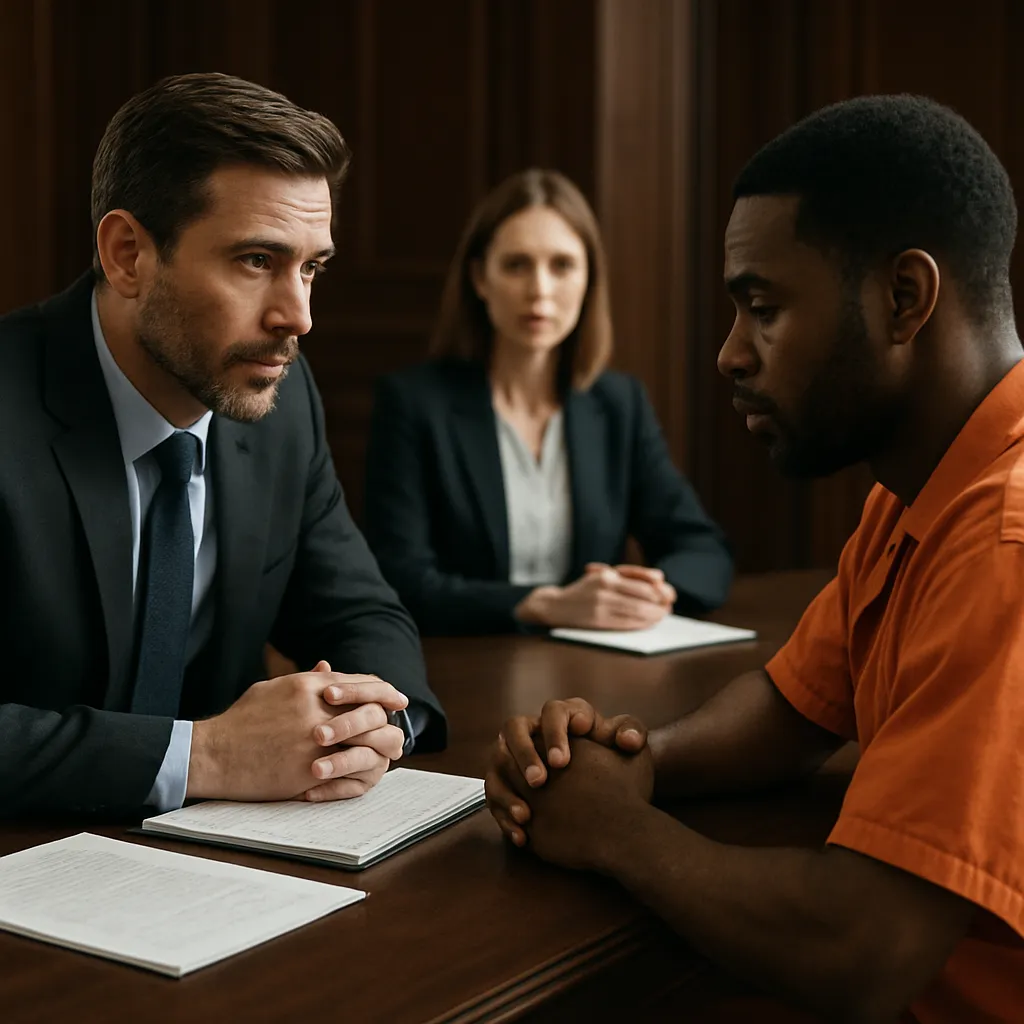
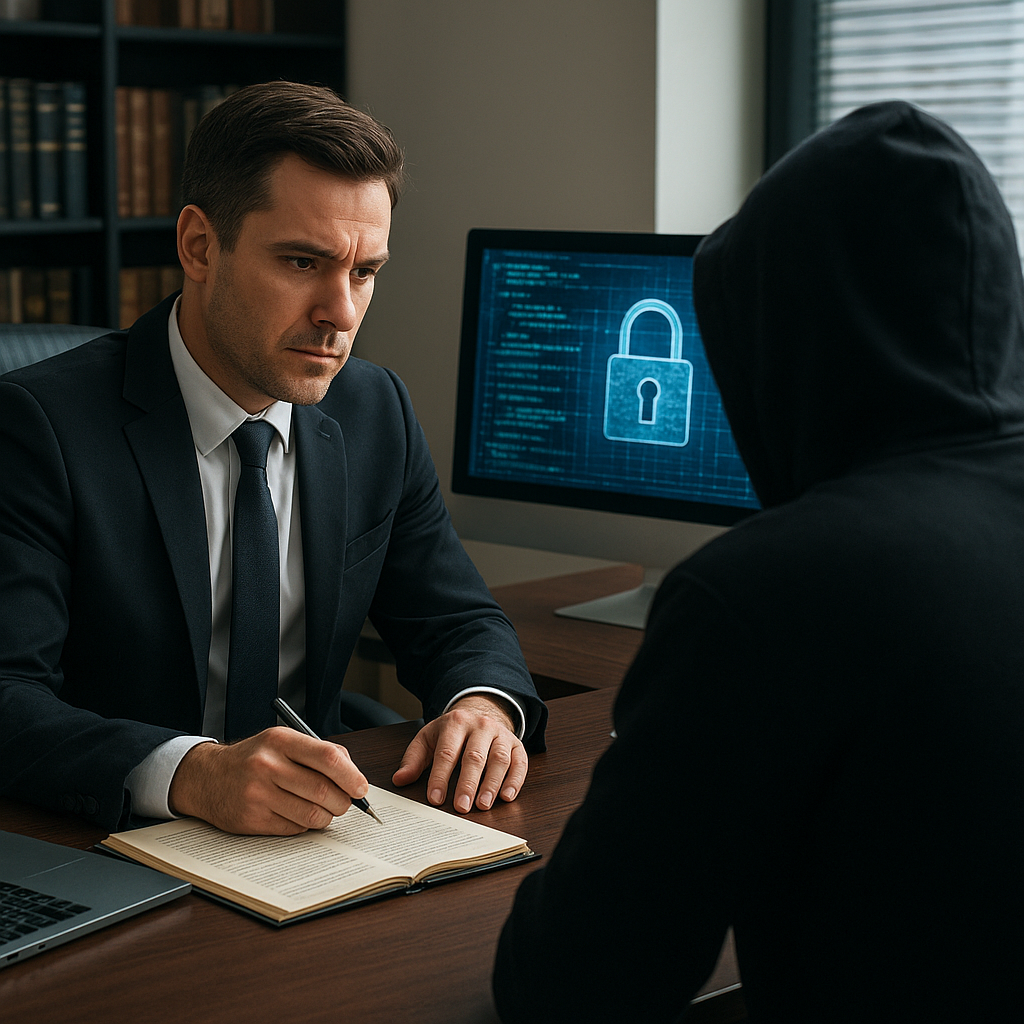
At the outset, a thorough investigation begins with an in-depth interview of the client. Defense attorneys gather every nuance of the alleged offense, focusing on timelines, technical tools used, and any third-party involvement. Establishing trust is essential; clients often feel intimidated by terms like hacking or fraud. Attorneys clarify their role is to protect rights, review allegations, and identify possible defense angles.
Key questions include:
- What devices and encryption methods were involved?
- Did the client have prior knowledge of the criminal nature of actions?
- Were there communications or evidence that could exonerate the client?
Armed with these details, defense counsel can map out the next steps, prioritize evidence collection, and flag potential legal issues before formal charges are filed.
Legal and Jurisdictional Considerations
Cybercrime often crosses state and national borders, raising questions about proper venue and applicable statutes. Attorneys must analyze:
- Which jurisdictions have asserted authority?
- Does the alleged conduct violate federal or state laws?
- Are there international treaties or mutual assistance requests in play?
Understanding jurisdiction shapes the overall strategy. Missteps here could lead to unwarranted extraditions, double jeopardy concerns, or challenges to the legality of evidence gathering. Early identification of venue issues can help negotiate charges or even dismiss cases on procedural grounds.
Technical Analysis and Evidence Gathering
Collaborating with Digital Forensic Experts
No defense attorney can master every facet of computer forensics, so collaboration is vital. Engaging reputable forensic analysts allows counsel to:
- Validate the authenticity of seized data
- Detect signs of tampering or chain-of-custody breaches
- Recover deleted files or hidden partitions
Attorneys outline precise tasks for experts, such as preserving volatile memory or reconstructing server logs. Clear instructions help avoid costly oversights and ensure that all relevant evidence is preserved for potential challenges down the line.
Preserving and Challenging Digital Evidence
Digital evidence can be notoriously fragile. Defense teams focus on securing original devices and verifying imaging protocols. Counsel may demand production of forensic reports, hash values, and metadata logs to confirm integrity. If discrepancies arise—such as missing timestamps or altered file sizes—attorneys press for disclosure of the government’s collection method.
Challenging evidence often involves:
- Requesting detailed chain-of-custody documentation
- Arguing against overbroad search warrants
- Contesting the admissibility of recovered data due to improper seizure
Through vigorous motions to suppress, defense counsel can force prosecutors to refine their case or risk losing critical evidence.
Strategic Defense Planning
Formulating a Customized Defense Strategy
Each cybercrime case demands a tailored approach. Common defense theories include:
- Lack of intent or knowledge
- Entrapment by law enforcement
- Insufficient evidence or unreliable expert testimony
- Constitutional violations during the search or seizure
Defense teams weigh the benefits of early plea negotiations against the potential for acquittal at trial. They also consider the client’s long-term interests—ensuring that any resolution minimizes collateral consequences like professional license revocation or immigration issues.
Integrating technical findings with legal arguments demands creativity and precision. Attorneys must translate complex facts into compelling narratives, illustrating to judges or juries that the prosecution’s case is built on shaky foundations.
Negotiations and Pretrial Motions
Before trial, defense counsel engage in rigorous discussions with prosecutors. Effective bargaining often relies on exposing weaknesses in the government’s case, such as flawed warrant language or unreliable witness statements. Key motions include:
- Motion to suppress digital evidence obtained without proper subpoenas or warrants
- Motion to dismiss charges based on jurisdictional defects
- Motion to compel discovery of source code or server logs
Successful motions can lead to dropped counts or reduced charges, setting the stage for a more favorable plea or outright dismissal.
Courtroom Advocacy and Trial Preparation
Presenting Complex Technical Concepts to a Jury
Jurors may feel overwhelmed by jargon such as hashing algorithms, packet interception, or malware signatures. Defense attorneys break down these topics into relatable analogies, ensuring the jury grasps critical distinctions. For instance, hashing can be likened to a unique fingerprint—any tampering alters the pattern entirely. Visual aids, such as simplified flowcharts, bolster comprehension.
During cross-examination of government witnesses, defense counsel highlight inconsistencies and industry standards. Skilled questioning can reveal that certain forensic methods lack universal acceptance or that evidence analysis was performed by underqualified personnel lacking proper expertise.
Countering Prosecution’s Digital Evidence
Defense teams often introduce alternative explanations for incriminating findings. A file’s timestamp might reflect an automated update rather than manual modification. An unusual login could result from credential theft rather than the client’s direct action. By offering competing scenarios, defense attorneys plant reasonable doubt.
Strategies include:
- Presenting testimony from independent forensic analysts
- Demonstrating potential malware contamination leading to false positives
- Highlighting gaps in government policies on data retention and compliance
Effective rebuttal often turns on meticulous preparation and a deep understanding of both legal precedents and technological norms. When executed skillfully, these tactics can sway jurors to acquit or jurists to impose lighter sentences.
Ongoing Post-Conviction and Appellate Advocacy
Challenging Digital Evidence on Appeal
Even after conviction, clients may still benefit from appeals focused on newly discovered forensic methods or evolving interpretations of privacy laws. Appellate briefs can argue that later rulings on unlawful surveillance or data protection render the original trial unfair. Attorneys seek to overturn convictions or secure new trials based on these legal developments.
Federal vs. State Cybercrime Considerations
Post-conviction relief may hinge on whether the case involved federal statutes like the Computer Fraud and Abuse Act or state-level cybercrime laws. Federal challenges often require nuanced arguments about separation of powers, while state appeals may leverage unique state constitutional protections against unreasonable searches.
Building a Robust Defense Team
Selecting the Right Experts
Attorneys assemble a multidisciplinary team, including technical consultants well-versed in network architecture, malware analysis, and encryption protocols. Collaboration between legal strategists and IT professionals ensures no stone is left unturned.
Maintaining Client Confidence
High-stakes cybercrime prosecutions strain client-attorney relationships. Clear communication, regular updates, and transparent discussions of potential outcomes reinforce trust. When clients understand that their counsel possesses both legal and technical expertise, they’re more likely to cooperate and provide critical information.
Conclusion
Defending cybercrime cases demands more than traditional legal skills; it requires fluency in emerging technologies and investigative methods. From the initial client interview to the appellate arena, successful attorneys blend meticulous forensics coordination with strategic legal maneuvering. By mastering these components—preserving evidence, challenging government protocols, and translating complex data for juries—criminal defense lawyers protect individual rights and uphold the integrity of our justice system.