Criminal defense attorneys are increasingly integrating advanced technology to strengthen their cases and provide robust representation for their clients. By leveraging cutting-edge tools and methodologies, defenders aim to challenge prosecution evidence, craft persuasive narratives, and streamline trial strategies. The following sections explore how legal professionals harness digital innovations to reshape courtroom dynamics.
The Role of Digital Forensics in Criminal Defense
Digital forensics has become a cornerstone of modern defense strategies. Attorneys collaborate with forensic experts to dissect electronic devices, recover hidden data, and verify the integrity of digital evidence. This process often uncovers critical insights that can turn the tide of a case.
Recovering and Authenticating Data
Skilled forensic analysts use specialized software to perform deep system scans on computers, smartphones, and other storage media. They seek deleted files, encrypted partitions, and metadata that reveal the history of file access or modification. By demonstrating inconsistencies in timestamps or logs, defense teams can cast doubt on the prosecution’s timeline.
- Forensic imaging to create bit-by-bit copies of storage devices
- Decryption methodologies to access protected files
- Validation of file authentication to confirm originality
Challenging the Chain of Custody
Maintaining a flawless chain of custody is essential for the admissibility of any evidence. Defense attorneys scrutinize every transfer, handling, and storage condition of digital materials. Through rigorous cross-examination of lab technicians and system administrators, they identify potential lapses or contamination that might render the evidence unreliable.
- Examining lab entry logs and documented procedures
- Requesting digital audit trails from evidence management systems
- Highlighting discrepancies in video surveillance metadata
Introducing AI and Predictive Analytics in Trial Preparation
Artificial intelligence (AI) and analytics tools are revolutionizing how defense teams prepare for trial. By analyzing large datasets, these technologies can forecast jury behavior, identify trending legal precedents, and optimize lineups of expert witnesses.
Jury Selection and Behavior Prediction
Advanced algorithms process demographic data, social media activity, and historical verdict patterns to assess juror biases. Defense attorneys use these insights to refine voir dire questions, ensuring the final panel is more likely to be impartial or sympathetic to the client’s narrative.
- Scoring juror profiles based on predicted leanings
- Generating targeted questionnaires to uncover hidden predispositions
- Simulating voir dire sessions with virtual panels
Legal Research and Precedent Mapping
Machine learning platforms quickly sift through vast legal databases, surfacing relevant case law and statutory interpretations. This not only reduces research time but also reveals nuanced arguments that may have been overlooked in manual reviews.
- Automated identification of high-value precedents
- Contextual analysis of judicial opinions to extract key rulings
- Visualization of case connections via interactive maps
Enhancing Courtroom Presentations with Advanced Technology
Effective trial advocacy requires more than persuasive rhetoric. Incorporating multimedia and interactive displays can significantly bolster a defense attorney’s ability to engage jurors and clarify complex points.
Visual Demonstratives and 3D Simulations
High-fidelity simulation tools recreate crime scenes in three dimensions, allowing jurors to virtually “step inside” the events. This immersive approach can challenge prosecution narratives by providing alternative reconstructions supported by forensic measurements.
- 3D modeling of physical environments and object trajectories
- Time-synched animations to show sequence of events
- Overlaying witness testimonies with digital replays
Real-Time Data Display and Annotation
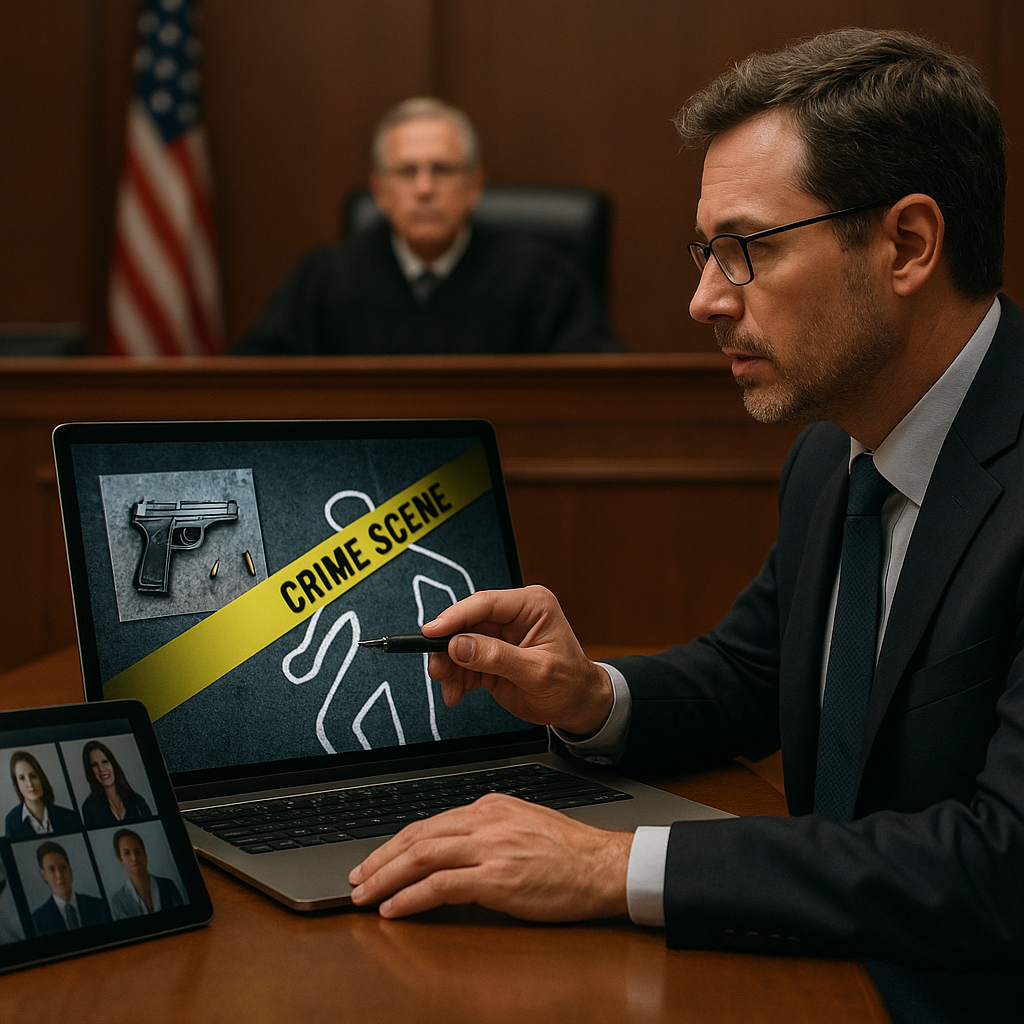
Tablets and touchscreen monitors enable attorneys to navigate evidence in real time. Highlighting critical passages in witness statements or zooming into high-resolution images allows for dynamic cross-examinations that keep jurors focused and attentive.
- Instant retrieval of documents from cloud repositories
- Live annotation of exhibits during testimony
- Integration of real-time data feeds (e.g., GPS logs, call records)
Securing Client Communications and Confidential Information
Ensuring attorney-client privilege remains inviolate is paramount. Advanced security measures protect sensitive discussions, digital files, and strategic documents from unauthorized access.
Encrypted Messaging and File Sharing
Utilizing end-to-end encryption protocols, attorneys and clients can exchange confidential materials without fear of interception. Secure platforms also provide automatic destruction of messages after a set period, further safeguarding privileged content.
- Encrypted voice calls with disappearing messages
- Time-limited access links for evidence packets
- Multi-factor authentication for portal login
Protecting Case Data on Mobile Devices
Defense teams often work outside the office, making secure mobile access essential. Remote wipe capabilities, hardware-backed secure enclaves, and device tracking ensure that lost or stolen smartphones do not compromise case strategies.
- Automatic locking after periods of inactivity
- GPS-based location tracking with remote wipe
- Hardware-level isolation for sensitive apps
Leveraging Social Media and Open-Source Intelligence
Publicly available information can be a goldmine for defense investigations. Social media communication patterns, geotagged posts, and open-source records help attorneys build comprehensive client profiles and challenge prosecution narratives.
Social Media Reconnaissance
Attorneys analyze public posts, comments, and multimedia shared by witnesses or alleged victims. Identifying contradictory statements or undisclosed relationships can undermine the credibility of key prosecution witnesses.
- Crawling public profiles for relevant conversations
- Extracting metadata to verify posting locations and times
- Documenting deleted or edited posts via archival services
Open-Source Intelligence (OSINT) Tools
By aggregating global data from news outlets, government databases, and academic publications, OSINT platforms uncover background information that may exonerate clients or introduce mitigating factors.
- Cross-referencing public records for alibi verification
- Mapping organizational affiliations of prosecution witnesses
- Identifying historical reporting errors or retractions
Future Trends: The Intersection of Law and Emerging Technologies
The legal field continues to evolve alongside disruptive technologies. From blockchain-based evidence chains to virtual reality courtroom experiences, defense attorneys must stay ahead of the curve to ensure they can deploy the most effective strategies for their clients.
Blockchain for Evidence Integrity
Implementing blockchain timestamps creates immutable records of evidence handling. Each transfer or analysis step is recorded in a decentralized ledger, offering transparent proof of unaltered digital exhibits.
Virtual Reality (VR) in Client Consultations
VR environments allow clients, witnesses, and experts to collaborate as if they were in the same room. This immersive setup fosters clearer communication and more efficient preparation for witness testimony.