Facing allegations of perjury can be one of the most daunting challenges in a criminal case. Skilled criminal lawyers navigate complex procedural rules, assemble airtight arguments, and protect a client’s credibility in the eyes of judges and juries. This article explores how experienced attorneys approach perjury claims, from the initial fact-gathering phase through courtroom advocacy, highlighting key elements that can make or break a defense.
Understanding Perjury Allegations
Perjury occurs when a person knowingly makes a false statement under oath about a material matter. A criminal lawyer must first analyze the exact nature of the allegation: Has the prosecution proven that the testimony was false? Was the witness aware it was false? And was the statement material to the outcome of the proceeding? Establishing intent is crucial. A single mistake or misrecollection does not typically amount to perjury, but a deliberate falsehood designed to mislead the court does.
Criminal attorneys also review procedural safeguards. They examine whether proper warnings were given at the swearing-in ceremony and whether the oath was administered in compliance with statutory requirements. Any defect in this area can undermine the prosecution’s case. By scrutinizing these technicalities, lawyers seek to identify possible grounds for dismissing or reducing the charges.
Investigation and Evidence Gathering
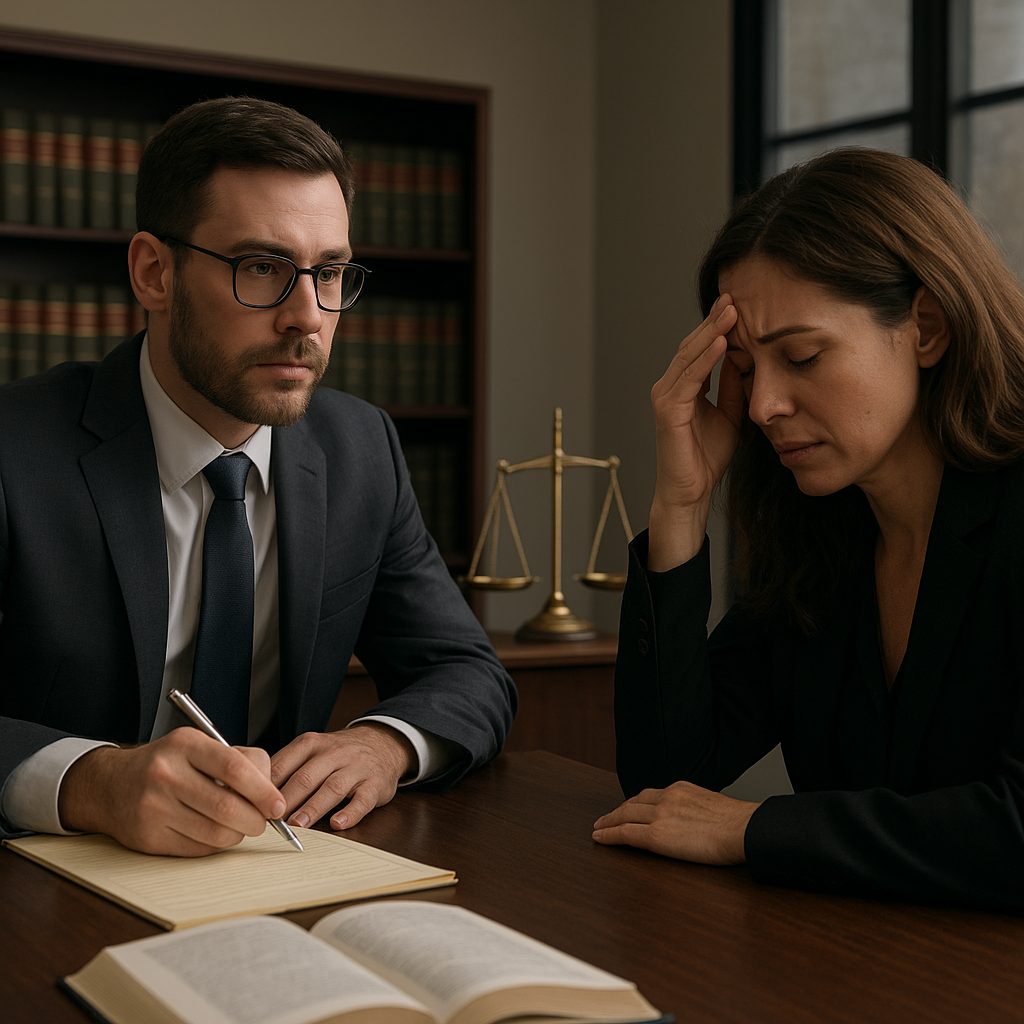
Before crafting a robust defense, lawyers launch a thorough investigation to collect and assess all available evidence. This involves:
- Interviewing key witnesses who can corroborate the client’s version of events.
- Securing official transcripts and recordings of the proceedings in question.
- Requesting any related documents or communications that might impeach inconsistent testimony.
- Engaging forensic experts if technical data or electronic records are in dispute.
Gathering documentation of prior statements—such as emails, letters, or contemporaneous notes—can expose contradictions in the prosecution’s narrative or reveal that the client’s memory lapse was genuine. Attorneys may also consult handwriting experts or voice analysts to confirm the authenticity of disputed materials.
Building a Robust Defense Strategy
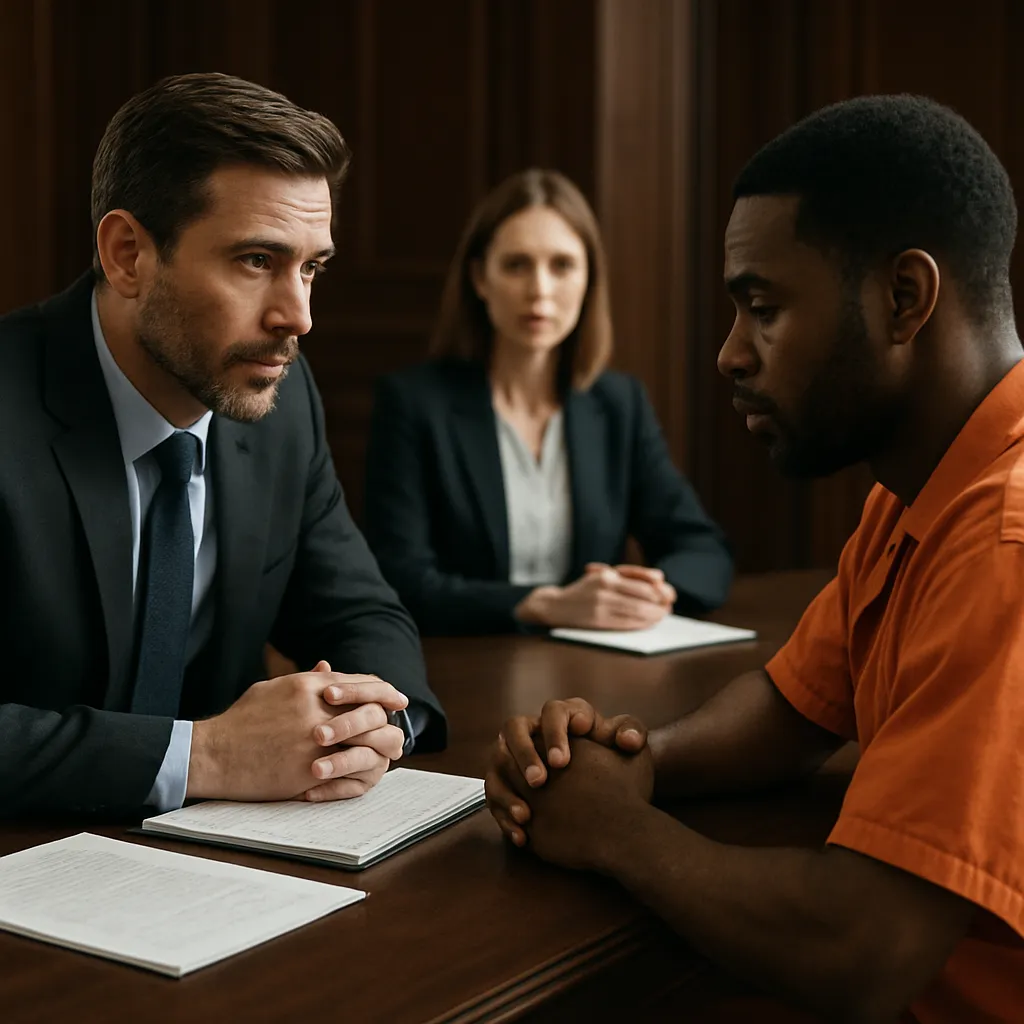
Effective criminal lawyers formulate a comprehensive strategy tailored to the nuances of each perjury case. Core components include:
- Demonstrating that any inconsistency was unintentional, rooted in stress, confusion, or faulty memory.
- Casting doubt on the materiality of the alleged falsehood—arguing that the statement would not have affected the proceeding’s outcome.
- Highlighting procedural errors or constitutional violations, such as inadequate warnings before testimony.
- Leveraging character evidence to show the client’s history of honesty and integrity.
A lawyer may also pursue alternative resolutions, such as negotiating a plea to lesser charges or seeking diversion programs if the underlying perjury stems from coercion or duress. In some jurisdictions, it’s possible to file a motion to sever perjury charges from the main case to limit prejudice.
Courtroom Tactics and Trial Advocacy
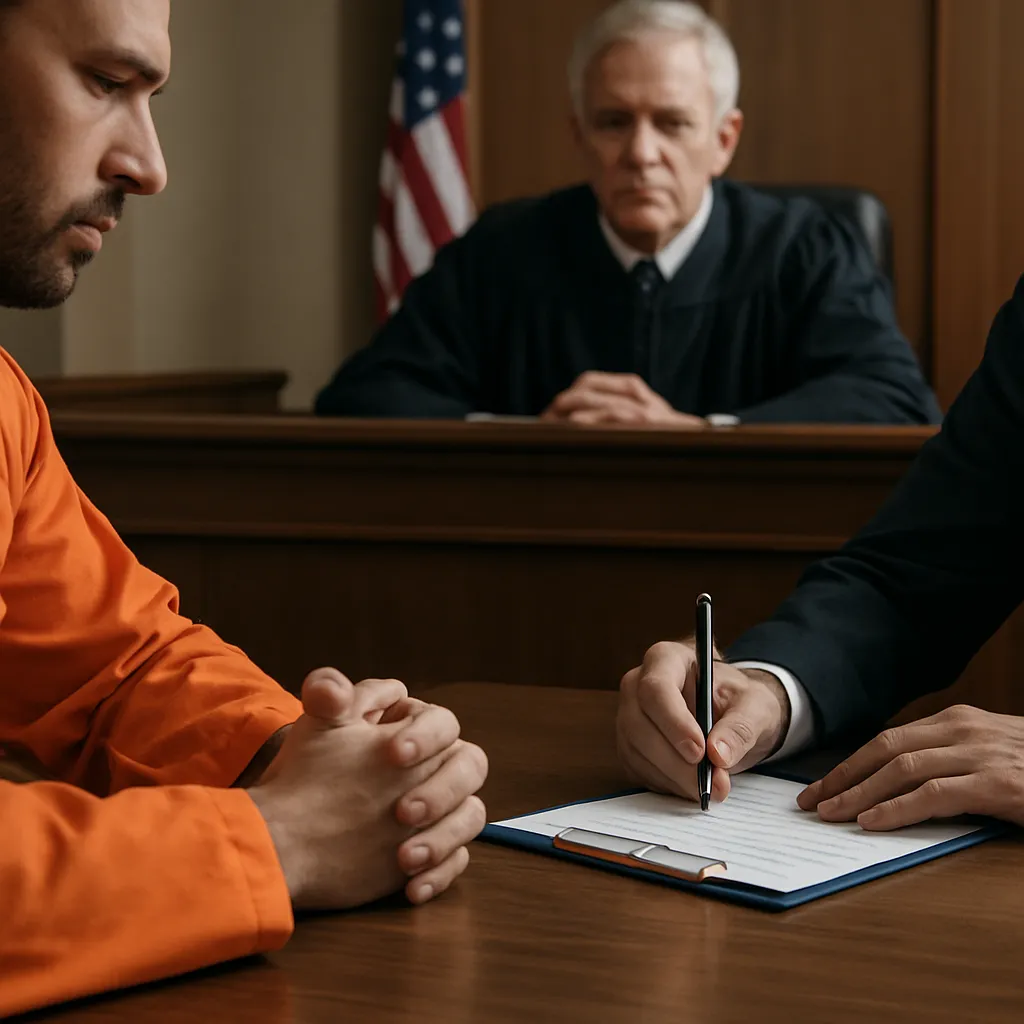
Once the case proceeds to trial, courtroom skills become paramount. Criminal attorneys employ advanced interrogation and cross-examination techniques to undermine the prosecution’s narrative. They meticulously plan questions that expose discrepancies between the witness’s current testimony and prior statements, seeking to portray the opposing witness as unreliable.
Key trial tactics include:
- Introducing prior inconsistent statements to impeach accuracy.
- Calling defense-friendly witnesses to testify about the client’s good reputation for truthfulness.
- Using visuals like timelines or annotated transcripts to clarify complex sequences of events.
- Objecting promptly to leading questions or improper evidence to preserve appellate issues.
Seasoned lawyers also use persuasive opening and closing remarks to frame the narrative. They emphasize the high burden of proof in criminal cases—reminding jurors that every element of perjury must be proven beyond a reasonable doubt.
Collaboration with Subject-Matter Experts
In sophisticated perjury cases, collaboration with professionals can bolster the defense’s position. For instance, memory psychologists can explain how stress or trauma affects recall, undermining claims of deliberate falsehood. Forensic linguists might analyze the specific phrasing of statements to determine whether ambiguities or semantic nuances led to misunderstanding.
Similarly, former prosecutors or retired judges may serve as strategic consultants, providing insider perspectives on how perjury charges are evaluated by the courts. Their insights into jury selection, bench tendencies, and evidentiary standards can guide the defense team in fine-tuning courtroom tactics.
Upholding Ethical Standards
Throughout the representation, criminal lawyers must adhere to stringent ethical rules. They ensure that their client’s rights—such as the Fifth Amendment privilege against self-incrimination—are protected. At the same time, attorneys cannot suborn perjury or facilitate the presentation of false testimony. When faced with a client intent on lying under oath, the lawyer may need to withdraw or employ remedial measures as required by professional conduct codes.
Maintaining the integrity of the judicial process is paramount. Lawyers often hold frank discussions with clients about the risks of continued deception and the potential benefits of truthful cooperation, such as reduced sentencing or diversion options.
The Role of Post-Trial Remedies
If a client is convicted of perjury, criminal lawyers explore post-trial relief. They may file motions for a new trial based on newly discovered evidence, prosecutorial misconduct, or juror bias. In some cases, appeals can challenge the sufficiency of evidence or procedural errors, including improper jury instructions regarding materiality or intent.
Additionally, petitions for writs of habeas corpus can raise constitutional claims, such as violations of due process or the right to effective assistance of counsel. Although these remedies face high procedural hurdles, they offer a final avenue for overturning wrongful convictions.
Conclusion
Successfully defending against perjury allegations requires a multifaceted approach. Criminal lawyers blend meticulous legal analysis, creative defense tactics, and robust courtroom advocacy to safeguard a client’s reputation and freedom. By leveraging thorough investigation, strategic planning, and skilled trial work, attorneys stand prepared to confront the formidable challenge of perjury in the criminal justice system.