Vehicular manslaughter cases often present a complex intersection of criminal law, forensic science, and procedural technicalities. Criminal lawyers who specialize in this area must adeptly navigate through traffic regulations, accident reconstruction data, and the defendant’s personal history to construct a persuasive defense. From the moment a potential charge is looming, experienced attorneys deploy a series of deliberate steps—balancing zealous advocacy with ethical obligations—to secure the best possible outcome for their client.
Case Assessment and Initial Consultation
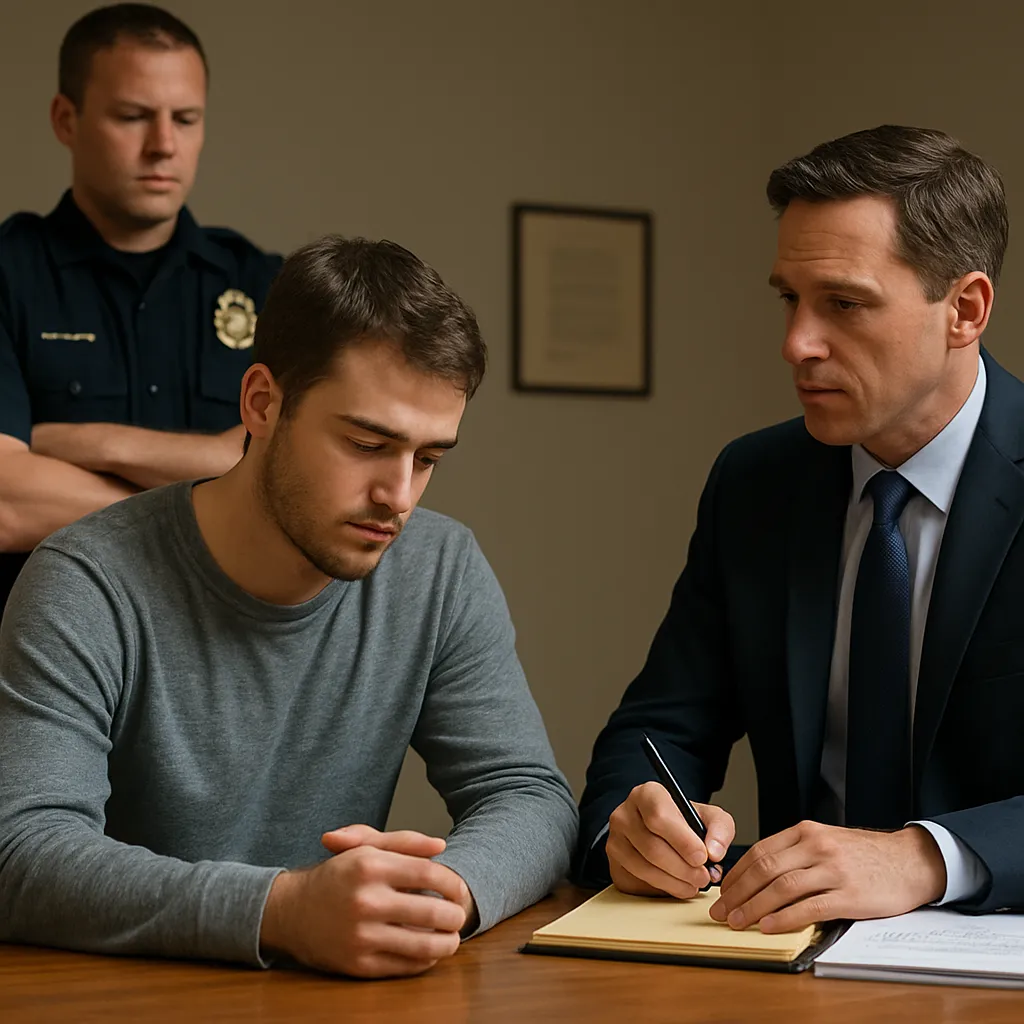
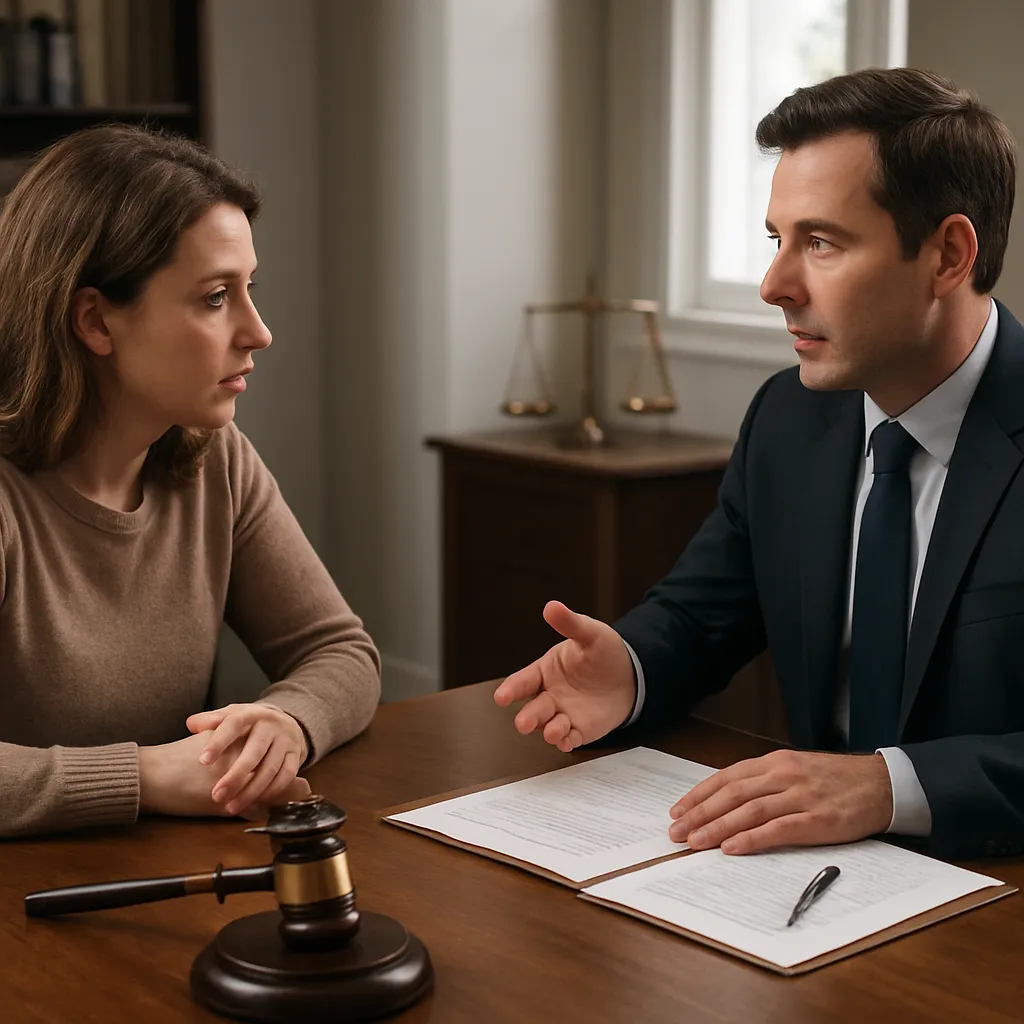
The foundation of any successful defense begins with a thorough, organized evaluation of the facts. During the first meeting, the attorney listens intently to the client’s account and examines preliminary documents such as police reports, witness statements, and any citations issued at the scene. This stage is crucial for establishing trust and determining whether the lawyer can offer a viable defense strategy. Key elements include:
- Jurisdiction review: Analyzing local statutes that define vehicular manslaughter and applicable penalties.
- Client background check: Identifying any prior convictions, driving history, or mitigating circumstances.
- Timeline reconstruction: Establishing a coherent sequence of events leading up to the incident.
- Resource planning: Determining which experts or investigators will be required.
At this juncture, the lawyer also informs the client about potential defenses—ranging from lack of negligence to procedural errors—and outlines potential plea scenarios. The thoroughness of this assessment sets the tone for the entire defense process.
Investigation and Evidence Gathering
Effective representation hinges upon the meticulous collection and analysis of relevant data. A seasoned criminal lawyer will coordinate with accident reconstruction specialists, medical experts, and forensic analysts to scrutinize every angle. The investigative process typically involves:
- Securing accident scene photographs and video footage.
- Analyzing vehicle telemetry data and black box recordings.
- Interviewing eyewitnesses and first responders.
- Reviewing medical records to determine causation and severity of injuries.
- Consulting with expert witnesses to challenge or bolster scientific findings.
Through intensive forensic analysis, the defense team can sometimes uncover alternate explanations—such as mechanical failure or improper road maintenance—that shift or reduce the defendant’s liability. Concurrently, lawyers seek to expose any prosecutorial gaps, such as chain-of-custody irregularities or incomplete toxicology reports.
Crafting a Defense Strategy
Once the factual matrix is fully mapped out, attorneys develop a coherent narrative aimed at protecting their client from the full force of criminal sanctions. Core strategic approaches include:
- Challenging the prosecution’s assertion of recklessness or gross negligence.
- Arguing that the client exercised reasonable care under the circumstances.
- Presenting alternative causes for the accident, such as unforeseeable road hazards.
- Highlighting the defendant’s spotless driving record or community standing as mitigating factors.
- Preparing to dispute expert testimony with competing analyses.
These tactics coalesce around a clear theme: demonstrating that the client’s conduct did not meet the threshold for criminal liability. The attorney crafts motions in limine to exclude prejudicial evidence and meticulously prepares opening statements and witness examinations to reinforce the chosen defense strategy.
Negotiations and Plea Bargains
Given the emotional and financial toll of a jury trial, many vehicular manslaughter cases resolve through negotiation. Skilled lawyers leverage their comprehensive case knowledge to press for favorable plea agreements. Negotiation objectives might include:
- Reduced charges (for example, from vehicular manslaughter to involuntary manslaughter).
- Lowered sentencing exposure, perhaps replacing jail time with probation or community service.
- Elimination of aggravating factors, such as DUI enhancements.
During these discussions, attorneys maintain open communication with prosecutors, emphasizing any weaknesses in the government’s case or the defendant’s strong mitigating profile. By demonstrating readiness for trial, defense counsel strengthens their negotiating position to secure a deal that minimizes collateral consequences for the client.
Trial Preparation and Courtroom Tactics
Should negotiations stall or prove insufficient, taking the case to trial becomes the next avenue. Comprehensive preparation is essential:
- Conducting mock cross-examinations and jury focus groups.
- Finalizing expert reports and ensuring expert witnesses are trial-ready.
- Drafting persuasive jury instructions that favor a narrow interpretation of negligence standards.
- Strategizing direct examinations to humanize the defendant while undermining the prosecution’s narrative.
- Preparing rebuttal exhibits to counteract adverse evidence introduced by the prosecution.
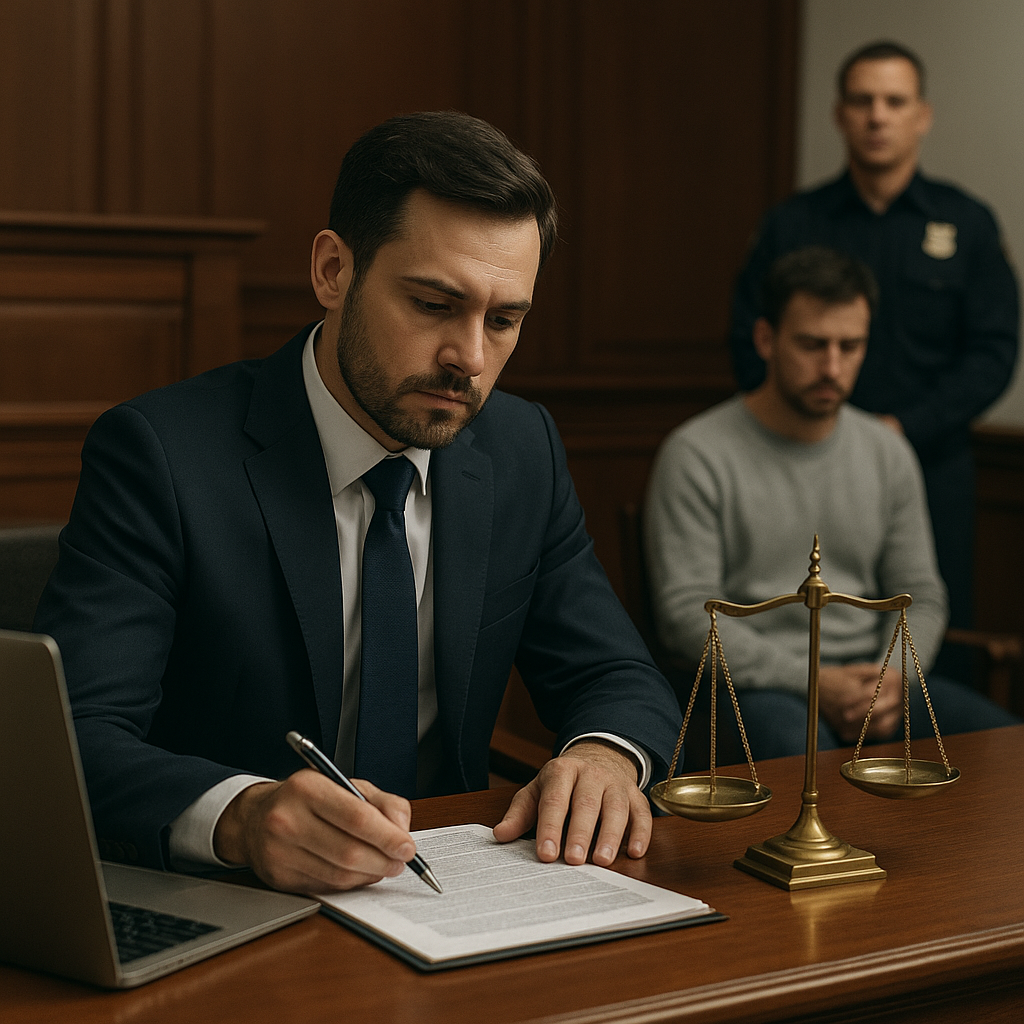
In the courtroom, adept criminal lawyers employ rhetorical techniques and storytelling to resonate with jurors. They balance emotional appeals—underscoring the tragedy’s impact on victims and the defendant—with rigorous legal arguments grounded in the legal framework governing vehicular manslaughter. Consistent emphasis on reasonable doubt remains the linchpin of any trial defense.
Post-Conviction and Sentencing Advocacy
Even after a conviction, a dedicated attorney continues to safeguard their client’s interests. Sentencing hearings are pivotal opportunities to minimize punitive outcomes through:
- Presenting character letters and community testimonials.
- Arguing for alternative sentencing options, such as rehabilitation programs or restorative justice initiatives.
- Challenging any aggravating factors or sentencing enhancements.
During these proceedings, legal counsel may file post-trial motions or explore appeals based on potential errors in jury instructions, admission of improper evidence, or breaches of the defendant’s constitutional rights. By relentlessly pursuing every available avenue, criminal lawyers strive to ensure that their clients receive fair treatment, preserving the possibility of sentence reduction or eventual release.