What Rights You Have When You’re Charged With a Crime

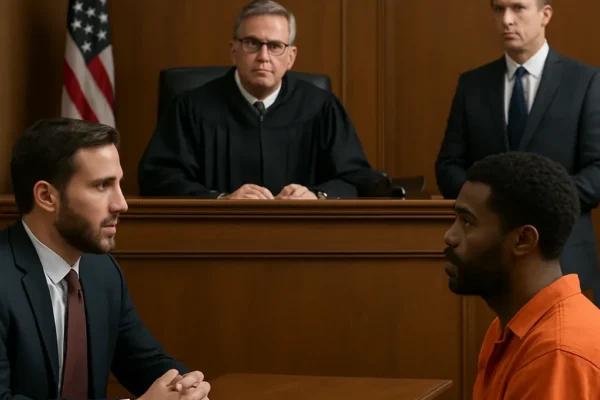
Facing criminal charges can be a frightening experience, but knowing your constitutional protections and legal options is essential. Whether you are under investigation, arrested, or awaiting trial, understanding the rights guaranteed by the Constitution and criminal procedure can help you make informed decisions. This article explores key stages of the criminal process, highlights critical safeguards,…

Read More

What Makes Criminal Law So Complex

The labyrinthine nature of criminal law often baffles laypersons and professionals alike. From intricate procedural steps to the nuanced interpretation of core doctrines, the system demands a multifaceted understanding. In examining what contributes to its complexity, we explore the historical underpinnings, critical legal principles, and the pivotal role of criminal lawyers in navigating this demanding…

Read More

What Makes a Good Criminal Defense Lawyer

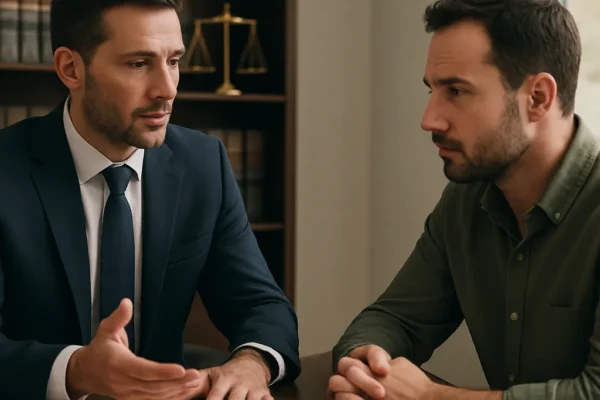
Criminal defense law demands a unique combination of skills, dedication, and character traits that set top attorneys apart. When facing serious charges, defendants rely on their lawyer’s expertise, strategic acumen, and unwavering commitment to ensure their rights are protected at every stage of the process. Essential Qualities of an Effective Criminal Defense Lawyer A high-caliber…

Read More

What Is the Difference Between Felony and Misdemeanor

The distinction between felony and misdemeanor lies at the heart of criminal law, shaping everything from arrest procedures to sentencing outcomes. For individuals facing charges, understanding these categories can be the difference between a lengthy prison term and a comparatively lenient sentence in local jail. In every jurisdiction, lawmakers assign labels to offenses that reflect…

Read More

What Is a Motion to Suppress Evidence

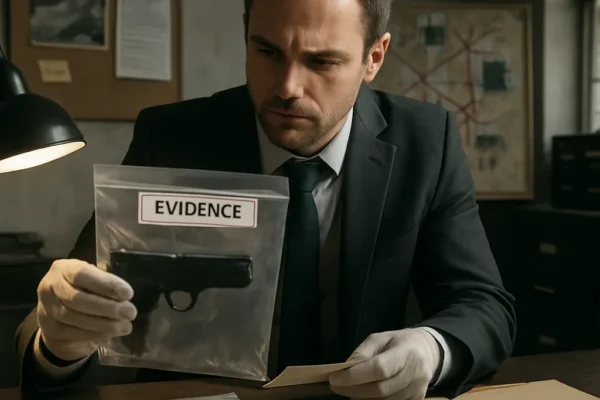
In criminal defense practice, a motion to suppress evidence serves as a powerful tool for challenging unlawfully obtained material. By invoking constitutional protections and procedural safeguards, defense attorneys can seek to exclude incriminating items or testimony from trial. This motion not only tests law enforcement’s compliance with the Fourth Amendment but also shapes the overall…

Read More