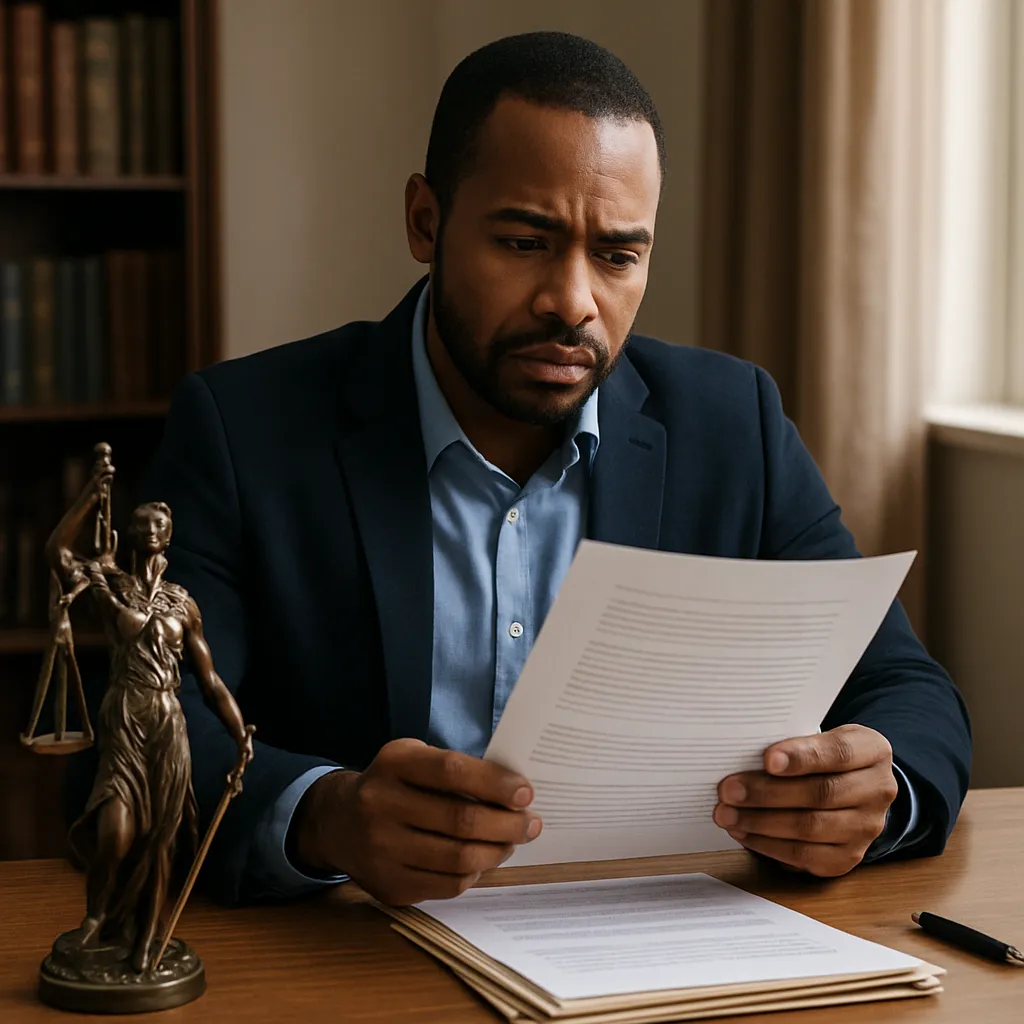
Navigating the complex realm of criminal charges can feel overwhelming, especially when the stakes include a permanent record that impacts employment, housing, and personal reputation. Securing the assistance of a qualified criminal lawyer early in the process can transform confusion into clarity and significantly reduce the risk of a lasting mark on your record. Below are key areas where a skilled attorney can intervene to protect your future prospects.
Understanding the Consequences of a Criminal Record
When facing criminal allegations, it’s essential to appreciate how a conviction can echo through various aspects of life. Beyond potential jail time or fines, a public record can:
- Limit job opportunities, as many employers conduct background checks
- Restrict eligibility for professional licenses in fields such as healthcare, finance, and real estate
- Impact immigration status, visa renewals, or citizenship applications
- Hinder eligibility for student loans, government assistance, and housing
- Create social stigma, affecting personal relationships and community standing
Understanding these ripple effects underscores why immediate legal support is vital. A seasoned attorney works to prevent these long-term consequences by challenging allegations, highlighting procedural errors, and proposing resolutions that avoid formal convictions.
The Role of a Criminal Lawyer in Case Evaluation
The initial phase of any criminal defense begins with a thorough review of the facts. During this stage, your attorney will:
- Gather evidence, including police reports, witness statements, and surveillance footage
- Analyze whether law enforcement followed proper search and seizure protocols
- Evaluate the strength of the prosecution’s case and identify potential weaknesses
- Explore alternative explanations or defenses that may exonerate you
- Advise on the advisability of public statements and guide you on preserving your confidentiality
By meticulously dissecting every detail, the lawyer can determine if charges can be dismissed outright or if there is room to negotiate a lesser offense. This pre-trial preparation is often an underappreciated yet crucial factor in steering the case toward a favorable outcome.
Crafting a Strategic Defense
A robust defense plan is more than merely disputing allegations; it’s about anticipating prosecution tactics and reinforcing your legal rights at every turn. Key components of a strong strategy include:
- Challenging unlawful evidence: Filing motions to suppress items obtained through improper searches
- Questioning witness credibility: Uncovering inconsistencies or biases in testimonies
- Employing expert analysis: Engaging forensic specialists in areas such as ballistics, toxicology, or digital forensics
- Establishing an alibi: Presenting proof of your whereabouts during the alleged offense
- Advocating mitigating factors: Highlighting lack of criminal history, mental health issues, or coercion
Every detail pursued by your attorney reinforces the overall defense architecture. A carefully conceived approach often convinces prosecutors to reconsider the viability of pressing full charges, paving the way for more favorable resolutions.
Negotiation and Plea Bargaining
When the evidence against a defendant is compelling, going to trial may carry significant risks. Seasoned criminal lawyers excel in negotiation, aiming to secure reduced charges or alternative sentencing options that carry no lasting conviction. Typical outcomes include:
- Diversion programs or pretrial intervention that result in case dismissal upon successful completion
- Deferred prosecution, where charges are dropped if you comply with court-ordered conditions
- Reduced charges that minimize penalties and avoid felony status
- Community service, rehabilitation courses, or probation in lieu of incarceration
During plea discussions, your attorney leverages detailed knowledge of local court customs and the prosecutor’s tendencies. This insider perspective can yield agreements that protect your record and spare you from the uncertainties of a full trial.
Protecting Your Record Through Post-Case Remedies
Even when a conviction cannot be wholly avoided, options may exist to clear or seal the record later. Criminal lawyers guide clients through mechanisms such as:
- Expungement: Legally erasing the record from public databases for qualifying offenses
- Record sealing: Restricting access so that background checks show no criminal history
- Certificates of rehabilitation: Demonstrating good conduct and reliability for potential employers or licensing boards
- Pardons and clemency petitions: Appealing to executive authorities for forgiveness in extraordinary cases
These post-conviction strategies require strict adherence to application timelines, comprehensive documentation, and persuasive advocacy—services best managed by an experienced attorney.
Collaborative Approach with Other Professionals
Complex criminal matters often demand input beyond traditional legal work. Your lawyer may coordinate with:
- Mental health experts to assess competency or provide therapy-based mitigation
- Substance abuse counselors for drug-related offenses
- Financial auditors in fraud or embezzlement cases
- Psychologists or sociologists to testify on behavioral patterns
This multidisciplinary team ensures that every facet of your life story is presented, increasing the likelihood of lenient treatment and shielding you from a permanent record.
Maintaining Open Communication and Trust
Ultimately, the most effective defense arises when you and your attorney maintain honest, strategic dialogue. Be prepared to:
- Provide all relevant details, no matter how trivial they may appear
- Follow guidance on public conduct and social media use
- Attend every hearing and meet all court deadlines
- Consider proactive steps such as anger management or educational workshops
This collaborative effort not only fosters trust but also demonstrates to the court your commitment to reform and responsibility, factors that weigh heavily in sentencing decisions.
Conclusion Without a Summary
By engaging a skilled criminal lawyer at the earliest opportunity, you gain an advocate dedicated to minimizing your exposure to a lasting record. From strategic defense planning and evidence challenges to deft plea negotiations and post-case relief, legal professionals deploy every resource to protect your future.