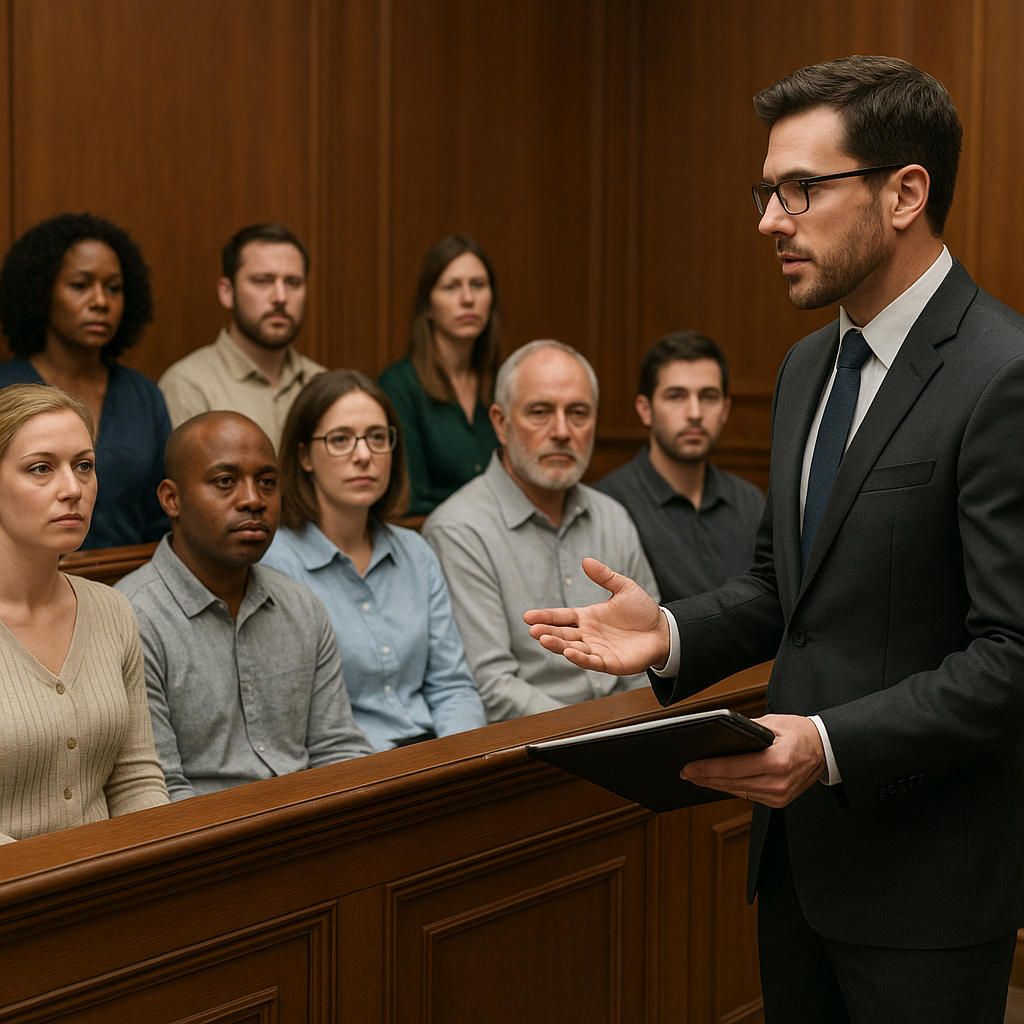
Selecting an impartial and fair jury is one of the most critical tasks for a criminal lawyer. From the moment potential jurors enter the courtroom, defense counsel must assess their attitudes, backgrounds, and predispositions to build a panel capable of delivering an unbiased verdict. This process, known as jury selection, involves a blend of psychology, legal acumen, and interpersonal skill. The following sections explore how criminal lawyers master this art and science to protect the rights of their clients.
Understanding Juror Profiling
Effective jury selection begins with comprehensive juror profiling. By examining each prospective juror’s life experiences, social networks, and personal beliefs, lawyers gain insight into potential leanings. The goal is to identify individuals who might sympathize with the defense narrative or, conversely, those who could pose obstacles. Through questionnaires, research databases, and careful observation, counsel builds a preliminary profile that informs the voir dire strategy.
Key Profiling Factors
- Demographics: Age, occupation, education, and family status can reveal significant patterns in decision-making.
- Life Experiences: Past encounters with law enforcement, criminal justice issues, or victimization play a powerful role.
- Attitudinal Indicators: Stances on authority, civil liberties, and punishment help predict juror sympathies.
- Community Ties: Close-knit relationships within local networks may influence conformity and deliberation dynamics.
Gathering this data often relies on both publicly available records and third-party services. Some attorneys engage jury consultants who specialize in dissecting voter registrations, social media footprints, and consumer habits. This research informs every subsequent decision—whom to challenge for cause, whom to strike peremptorily, and whom to seat on the final panel.
Strategic Voir Dire Tactics
Voir dire is more than a procedural requirement; it’s a strategic opportunity. Through direct questioning, lawyers put profiling hypotheses to the test, refine their understanding of each juror, and establish rapport. The best practitioners view voir dire as a dialogue, balancing legal objectives with genuine curiosity to uncover hidden prejudices or benefits.
Open-Ended Questioning
- Encourage jurors to speak in their own words rather than offering yes-or-no answers.
- Use hypotheticals to gauge reactions to specific elements of the case, such as forensic evidence or eyewitness testimony.
- Probe for underlying values: “How do you define fairness when someone faces severe charges?”
By framing questions that demand elaboration, counsel can detect subtle cues—tone, hesitation, or body language—that reveal predispositions. This approach also allows defense lawyers to plant seed ideas consistent with their narrative, such as a presumption of innocence or skepticism about official procedures.
Managing Challenges and Strikes
- Challenge for Cause: Identify jurors with clear conflicts or biases that violate the right to an impartial jury.
- Peremptory Strikes: Remove jurors without stated cause, guided by an overall strategy to shape the panel’s composition.
- Timing and Sequencing: Reserve some strikes until later rounds, allowing more information to emerge during questioning.
Balancing the limited pool of strikes with the need to eliminate the most problematic jurors requires agility. If a juror reveals a strong distrust of law enforcement, that individual may be a prime candidate for removal. However, defense counsel must also consider the impact of removing too many similar profiles—risking a panel dominated by individuals with opposing viewpoints.
Adapting to Challenges and Bias
No matter how skilled a lawyer may be, unpredictable factors and hidden beliefs can derail even the best-laid plans. Effective advocates remain flexible, continuously reassessing each juror’s suitability as new information surfaces. This adaptability is especially crucial when confronting bias—both explicit and implicit—that can influence verdicts despite surface-level neutrality.
Implicit Bias and Group Dynamics
- Recognize that jurors may unconsciously favor certain narratives based on race, gender, or socioeconomic status.
- Deploy narratives that humanize the defendant, emphasizing shared experiences or circumstances to counteract stereotyping.
- Encourage jurors to self-reflect on their own potential biases, reinforcing the importance of evidence-driven decision-making.
During deliberations, jurors often look to perceived opinion leaders within the group. By selecting individuals who exhibit open-mindedness and strong communication skills during voir dire, defense attorneys can help steer discussions toward an objective evaluation of the facts.
Consulting Expertise and Technology
- Jury Consultants: Bring specialized knowledge in psychology and data analysis to fine-tune selection strategies.
- Mock Trials: Conduct simulated sessions with demographic matches to test case themes and persuasive methods.
- Digital Tools: Employ software to track juror responses, code behavioral cues, and predict verdict probabilities.
These resources allow counsel to evaluate the effectiveness of voir dire questions and refine messaging well before the actual trial. Consultants often provide critical feedback on presentation style, recommended tone, and nonverbal signals that can enhance credibility and trust with the panel.
Building Persuasive Narratives
Once the panel is seated, the focus shifts to crafting a persuasive story that resonates with jurors’ values and experiences. A compelling narrative weaves together facts, expert testimony, and emotional undercurrents to illustrate reasonable doubt or highlight mitigating circumstances.
Elements of a Strong Defense Story
- Contextualization: Place events in background circumstances to explain the defendant’s actions.
- Character Evidence: Introduce witnesses who can speak to the defendant’s reputation and moral fiber.
- Logical Flow: Structure testimony to build momentum, revealing key points at strategic moments.
- Visual Aids: Use timelines, diagrams, or charts to simplify complex aspects of scientific or technical cross-examination.
By aligning the narrative with jurors’ articulated concerns during voir dire, counsel maximizes the chances of engaging their attention and earning their trust. Throughout the trial, it’s vital to reinforce core themes, linking each piece of evidence back to the central theory.
Conclusion of the Trial Phase
Although the verdict rests in the hands of the jury, the groundwork laid during selection and voir dire often proves decisive. Through meticulous profiling, dynamic questioning, and strategic adaptability, criminal lawyers can assemble a panel predisposed to evaluate the case fairly. Coupled with a resonant narrative and clear presentation, this careful orchestration of human factors frequently tips the balance in high-stakes trials.