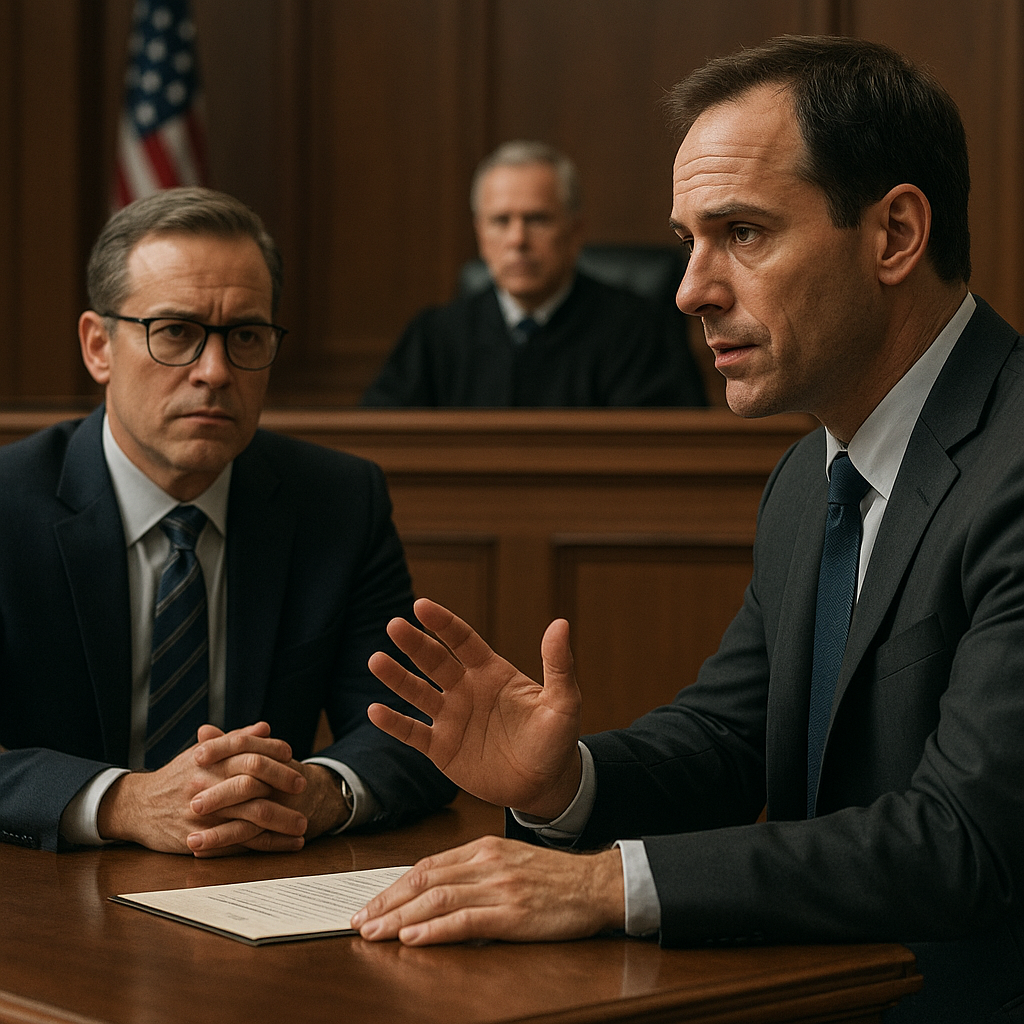
The appellate phase in federal criminal cases demands a unique blend of legal acumen, procedural mastery, and strategic foresight. Criminal defense attorneys tasked with handling appeals must navigate complex rules of jurisdiction, identify compelling issues of law, and craft persuasive arguments that resonate with a panel of judges. Success on appeal can hinge on meticulous attention to record preservation, a deep understanding of constitutional principles, and innovative advocacy techniques. This article explores how criminal lawyers approach the appellate process in federal courts, highlighting key stages from briefing to post-decision remedies.
Understanding the Federal Appellate Process
Before diving into advocacy strategies, it is vital to grasp the structure of the federal appellate system. Appeals in federal criminal cases proceed from the district court to one of the twelve regional circuit courts. Each circuit has established local rules, deadlines, and precedents that influence counsel’s approach. The basic steps include:
- Notice of Appeal: Filing a timely notice of appeal initiates the process. Lawyers must comply with strict timelines set by the Federal Rules of Appellate Procedure (FRAP).
- Record on Appeal: Assembling the trial transcript, exhibits, and relevant motions ensures the appellate court has a complete factual and procedural history.
- Appellant’s Brief: Presenting legal arguments supported by statutes, case law, and the factual record.
- Appellee’s Brief and Reply: After the government responds, appellants often file a reply to address new points or reinforce key arguments.
- Oral Argument: Advocates appear before a three-judge panel to answer questions and clarify positions.
Each of these components demands rigorous attention to detail. Missing a citation, mischaracterizing the record, or overlooking a key procedural requirement can spell disaster for a client’s chance at reversal or a reduced sentence.
Preparing a Persuasive Brief
The written brief is the appellant’s primary vehicle for presenting issues. To stand out, lawyers employ a combination of structural clarity, legal rigor, and rhetorical finesse. Essential considerations include:
Issue Selection and Framing
Choosing the right issues can make or break an appeal. Lawyers prioritize errors that significantly affect the outcome at trial, such as evidentiary rulings, constitutional violations, or improper jury instructions. Framing each issue crisply, often as a question of law, helps the court focus on the heart of the dispute.
Argument Development
Effective briefs weave together statutory interpretation, precedent, and policy considerations. Advocates must:
- Demonstrate clear error or abuse of discretion by the trial court.
- Distinguish unfavorable cases or show how existing precedent compels reversal.
- Anticipate counterarguments and address them head-on.
Logical organization, with headings and subheadings that guide the reader, enhances readability. Strategic use of record citations anchors assertions to the factual context.
Style and Persuasion
Though legal briefs demand precision, persuasive language remains crucial. Attorneys balance a professional tone with rhetorical devices that underscore fairness and the high stakes of criminal convictions. Occasional use of bold emphasis on pivotal phrases can draw the court’s attention to critical points, but overuse dilutes the impact. Around ten well-placed occurrences of strong tags—on words like evidence and constitutional—help highlight the most valuable concepts.
Mastering Oral Arguments
While briefs set the stage, oral argument offers a dynamic forum to influence the judges. Preparation for this phase involves:
Anticipating Judicial Questions
Experienced appellants pore over the brief to predict difficult questions. Mock Q&A sessions, often with colleagues firing rapid-fire inquiries, help counsel refine concise, persuasive answers. Lawyers must be ready to pivot swiftly between issues, knowing when to concede a weak point and reframe the discussion toward stronger grounds for relief.
Structuring the Argument
An effective oral presentation typically follows a clear roadmap:
- Opening Statement: A brief overview of the appeal’s central theme.
- Issue-by-Issue Discussion: Address each major error in turn, emphasizing the most compelling first.
- Rebuttal Preparation: Reserve a few minutes at the end for rebuttal on anticipated government arguments.
Time management is crucial. Federal courts often limit counsel to 15–20 minutes per side. Lawyers use transitions and signposts—phrases like “Finally, Your Honors”—to keep the panel oriented.
Presentation Techniques
Confidence, clarity, and respect for the bench enhance credibility. Counsel should maintain eye contact (or camera contact in virtual settings), modulate tone, and avoid legal jargon overload. Strategic responses to skeptical questions can flip the narrative: turning an inquiry into an opportunity to reinforce the client’s position or highlight a favorable precedent.
Navigating Post-Decision Options
Even after a panel issues a decision, the appellate journey may continue. Criminal lawyers advise clients on:
- Petition for Rehearing: A motion for rehearing en banc asks the full circuit to reconsider a panel’s ruling. Success rates are low, but this step preserves the right to seek Supreme Court review.
- Certiorari to the Supreme Court: Filing a petition to the U.S. Supreme Court involves crafting a convincing argument for why the case raises an issue of national importance or conflicts among circuits.
- Post-Conviction Relief: If direct appeals fail, attorneys explore 28 U.S.C. § 2255 motions to challenge a conviction on constitutional or jurisdictional grounds.
Each post-decision remedy carries its own standards and procedural hurdles. For instance, a § 2255 motion cannot re-litigate issues fully addressed on direct appeal, requiring fresh claims of ineffective assistance or newly discovered evidence.
In summary, federal criminal appeals require a holistic approach that spans rigorous briefing, strategic oral advocacy, and diligent exploration of post-decision avenues. Attorneys skilled in this arena combine deep procedural knowledge with persuasive storytelling, always seeking to uphold the defendant’s rights and secure just outcomes within the complex federal system.