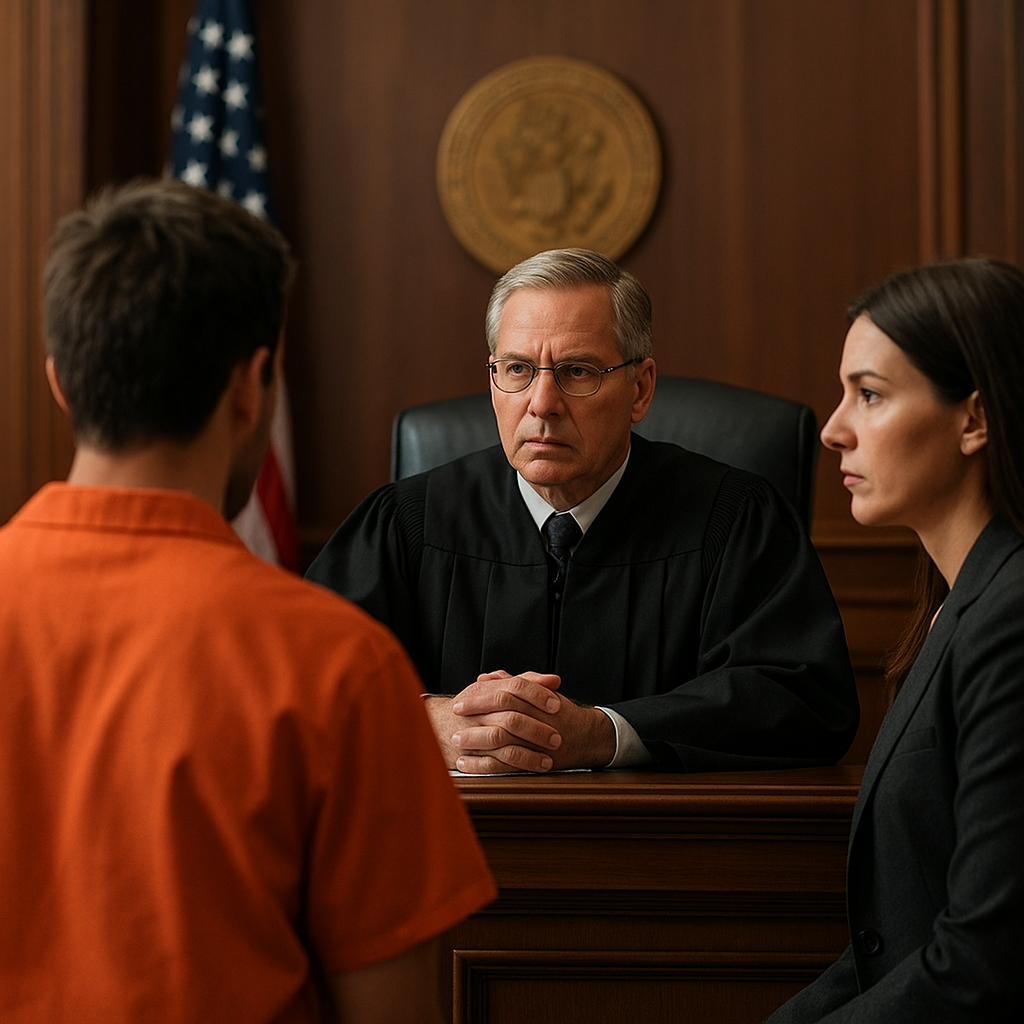
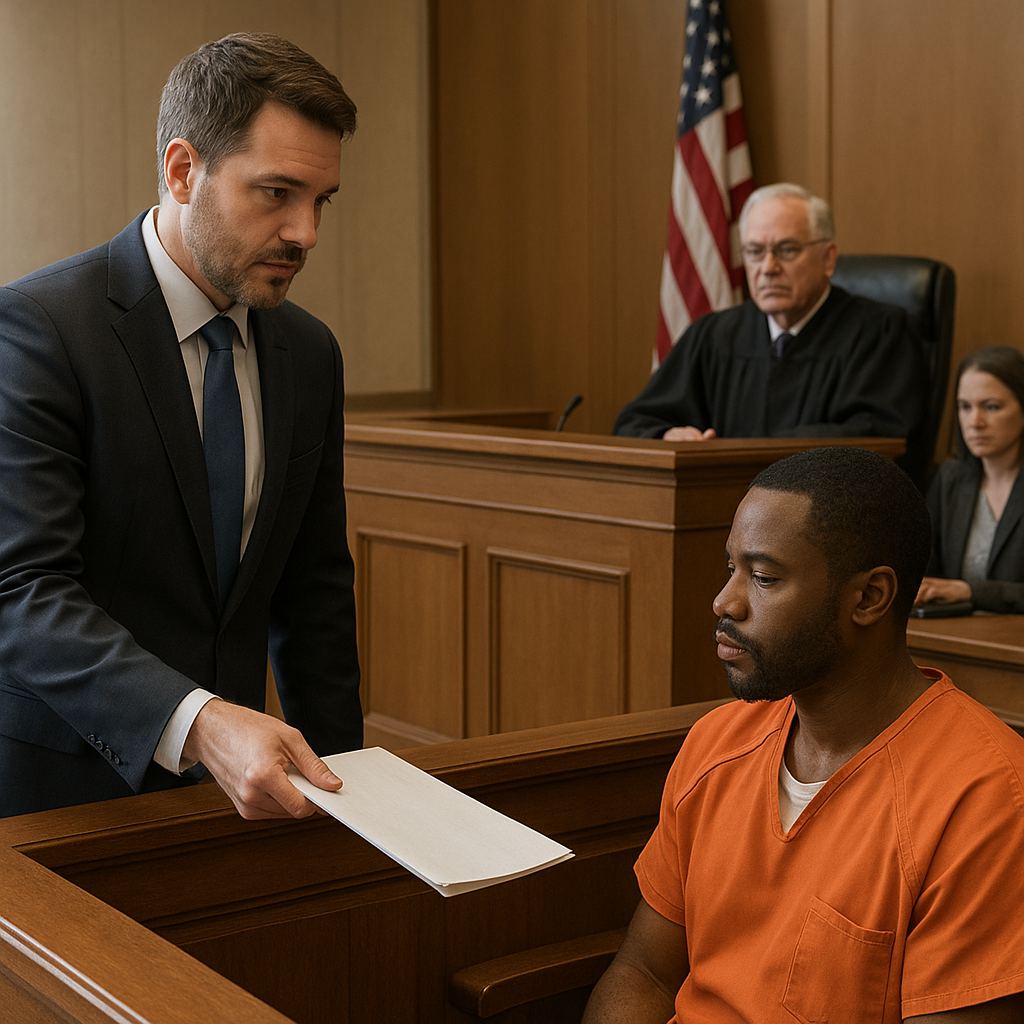
Facing a DUI charge can be a daunting experience, but a skilled criminal lawyer plays a crucial role in navigating the complexities of the legal system. This article explores how attorneys handle DUI cases from initial investigation through courtroom advocacy, highlighting the strategies and expertise that shape favorable outcomes.
Investigation and Evidence Gathering
Initial Case Assessment
When a client first seeks help, a thorough review of the arrest details is essential. An attorney examines the circumstances of the traffic stop, the administration of field sobriety tests, and any statements made at the scene. Understanding whether proper procedure was followed can uncover violations that may lead to case dismissal. A focus on evidence such as police reports and officer notes helps identify strengths and weaknesses early.
Evidence Collection and Analysis
- Reviewing dashcam and bodycam footage to assess officer conduct and testing conditions
- Examining breathalyzer calibration records and maintenance logs for accuracy verification
- Requesting laboratory results from blood tests to challenge chain of custody issues
- Consulting toxicology experts to interpret results in the context of impairment thresholds
Criminal lawyers often retain forensic specialists to evaluate whether testing devices were properly calibrated. Any lapse in protocol can cast doubt on the reliability of results. By scrutinizing every detail, attorneys build a robust defense centered on undermining the prosecution’s claims of breathalyzer accuracy and proper procedure.
Strategic Defense Planning
Once the evidence is gathered, defense counsel devises a tailored strategy based on the client’s unique circumstances. Key elements include challenging legal standards, negotiating with prosecutors, and preparing for potential trial scenarios.
Challenging Procedural Violations
- Arguing unlawful detention if the initial stop lacked sufficient cause
- Questioning the administration of field sobriety tests under adverse weather or medical conditions
- Highlighting Miranda rights violations if custodial interrogation occurred without proper warning
By focusing on procedural missteps, lawyers can file motions to suppress critical evidence. A successful suppression motion might lead to reduced charges or even case dismissal. This approach relies heavily on deep knowledge of jurisprudence and court precedents.
Plea Negotiation and Alternatives
In many jurisdictions, prosecutors may be open to a plea deal that avoids a felony conviction. Defense attorneys enter negotiations armed with detailed knowledge of local sentencing guidelines, hoping to secure reduced penalties or diversion programs. Factors influencing plea bargaining include the client’s criminal history, blood alcohol concentration levels, and any aggravating circumstances.
- Seeking deferred sentencing in exchange for completing an alcohol education course
- Negotiating for community service or probation rather than incarceration
- Lowering charges from a DUI to a reckless driving offense
Effective negotiation hinges on presenting credible mitigating evidence, such as proof of rehabilitation efforts or participation in support groups. Demonstrating the client’s commitment to change can persuade prosecutors to offer leniency.
Courtroom Advocacy and Resolution
Trial Preparation
Should negotiations falter, the case proceeds to trial. Attorneys meticulously prepare by drafting motions in limine to exclude unfavorable evidence and organizing exhibits for direct examination. They also craft a narrative that resonates with jurors, emphasizing gaps in the prosecution’s case and presenting alternative explanations for the client’s behavior.
Cross-Examination Techniques
- Questioning the arresting officer on their training and experience to expose potential errors
- Attacking the consistency and reliability of field sobriety test administration
- Highlighting discrepancies between the officer’s report and video footage
- Challenging expert witnesses on the statistical limitations of breath and blood testing
Effective cross-examination can erode the prosecution’s credibility and create reasonable doubt. By pinpointing inconsistencies, a defense lawyer demonstrates that the evidence does not meet the high burden required for conviction.
Sentencing Advocacy
In cases where a conviction is unavoidable or the client decides to plead guilty, sentencing advocacy becomes paramount. Lawyers prepare comprehensive sentencing memoranda outlining personal history, community ties, and contributions, aiming to influence the judge toward a lenient outcome. Emphasizing low risk of reoffense and presenting character references helps secure alternatives to incarceration.
Post-Conviction Remedies
Even after sentencing, criminal lawyers explore avenues to mitigate long-term consequences. Options include petitions for expungement, seeking a reduction of penalties after completing probation, or filing appeals based on newly discovered evidence or legal errors. Knowledge of appellate procedures and deadlines is critical to protect the client’s rights and future prospects.
Throughout every stage, the attorney’s role extends far beyond paperwork and courtroom appearances. They provide emotional support, guide clients through mandatory evaluations, and ensure compliance with court-imposed obligations. By combining tactical defense maneuvers with compassionate advocacy, criminal lawyers navigate the complexities of DUI cases to secure the best possible result for their clients.