Facing a DUI manslaughter charge demands a meticulous approach by seasoned criminal lawyers who navigate complex statutes, challenging scientific tests, and intense prosecutorial pressure. This article examines how defense teams strategize every stage of the case—from initial consultation through trial and sentencing—ensuring that each client’s rights are protected and all legal avenues are explored.
Investigation and Evidence Gathering
Initial Case Assessment
When a client first contacts a defense attorney, the focus is on understanding the incident’s timeline and reviewing any available documentation. An experienced lawyer will gather police reports, accident reconstruction data, and any witness statements. Early intervention allows the defense to preserve crucial evidence and identify potential constitutional violations, such as unlawful searches or improper field sobriety tests.
Procuring and Analyzing Evidence
- Obtaining dashboard camera footage and video recordings from nearby surveillance cameras.
- Securing the breathalyzer or blood testing machine maintenance logs to check for calibration issues.
- Reviewing toxicology results and lab procedures to identify chain-of-custody errors or lab contamination.
- Interviewing prosecution witnesses to detect inconsistencies or bias.
During this phase, the defense often retains independent experts to perform a parallel forensic analysis, ensuring that the state’s tests meet rigorous scientific standards.
Legal Strategies and Defense Tactics
Challenging Chemical Tests
One of the most potent defense tactics involves attacking the admissibility of chemical test results. Criminal lawyers scrutinize:
- The officer’s training and certification in administering tests.
- The proper operation and maintenance of breath-testing devices.
- Any delays between the stop, breath test, and blood draw that could affect alcohol absorption calculations.
Highlighting procedural gaps can lead to motions to suppress critical evidence, significantly weakening the prosecution’s case.
Constitutional and Procedural Defenses
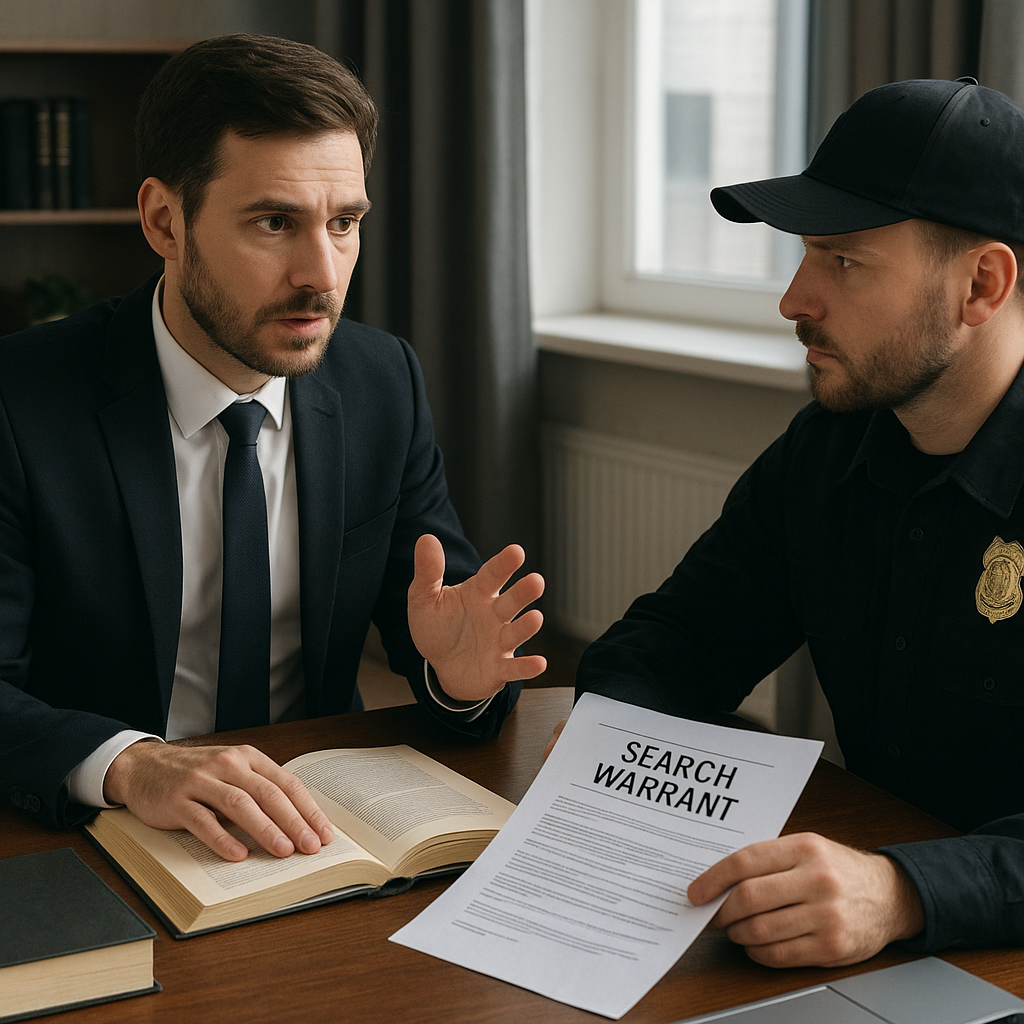
Defense counsel often files motions based on Fourth Amendment violations, arguing that traffic stops or searches lacked reasonable suspicion or probable cause. Suppression of illegally obtained results can derail the prosecution’s efforts. Additionally, attorneys examine the charging documents for errors in statutory language or improper enhancement notices.
Negotiations and Plea Bargains
Assessment of Prosecution’s Strength
Before heading to trial, defense teams evaluate the state’s willingness to reduce charges. Factors influencing negotiations include:
- Severity of the victim’s injuries and the family’s inclination toward restitution.
- Clarity of negligence or recklessness on the part of the driver.
- Quality and availability of exculpatory or mitigating evidence.
Crafting a Favorable Plea
Seasoned lawyers may secure agreements that lower the degree of manslaughter or circumvent enhancements like prior DUI convictions. Effective plea deals often incorporate community service, alcohol counseling, or restricted licenses—options that mitigate long-term consequences for the defendant.
Trial Proceedings and Jury Selection
Voir Dire and Jury Profiling
Selecting an impartial jury is a cornerstone of a robust defense. Lawyers craft targeted questions to uncover biases—toward law enforcement, alcohol-related offenses, or vehicular fatalities. Goals include:
- Identifying jurors with personal experiences that may cloud judgment.
- Preserving peremptory challenges for potentially adverse panel members.
- Creating a balanced pool sensitive to mitigating factors.
Presenting the Case-in-Chief
During trial, the defense cross-examines prosecution witnesses to expose inconsistencies and emphasize reasonable doubt. Key elements include:
- Highlighting alternative causes of the collision, such as mechanical failure or unpredictable road conditions.
- Introducing expert testimony that disputes the accuracy of blood-alcohol content calculations.
- Demonstrating procedural lapses in evidence collection or forensic analysis.
Strategic use of demonstrative exhibits and timelines reinforces the defense narrative and counters the prosecution’s depiction of the defendant as a reckless driver.
Sentencing and Mitigation Efforts
Building a Mitigation Case
If a client is convicted, a second wave of advocacy begins at sentencing. Criminal lawyers prepare comprehensive mitigation packets that may include:
- Character letters from employers, family, and community leaders.
- Proof of enrollment in substance abuse or anger management programs.
- Psychological evaluations documenting stressors or mental health challenges.
These materials can persuade a judge to impose rehabilitative measures rather than strictly punitive sanctions.
Advocating for Alternative Sentences
Judges often appreciate when defense counsel proposes realistic alternatives to incarceration, such as:
- Home confinement with electronic monitoring.
- Intensive outpatient treatment programs.
- Community restitution projects related to traffic safety or victim support.
Presenting a well-structured plan underscores the lawyer’s commitment to the client’s successful reintegration and reduces the likelihood of recidivism.
Post-Conviction Remedies
Appeals and Motions for a New Trial
When trial errors or newly discovered evidence emerge, criminal lawyers file appeals or motions for a new trial. Grounds may include:
- Improper jury instructions or prosecutorial misconduct.
- Laboratory report alterations or witness recantations.
- Ineffective assistance of counsel claims.
Pursuing Expungement and Record Relief
In jurisdictions permitting record sealing, attorneys guide former clients through the expungement process once all sentencing terms are completed. Clearing a DUI manslaughter conviction can be instrumental in restoring professional licenses and employment prospects.
Collaboration with Expert Witnesses
Retaining Qualified Professionals
Elemental to any DUI manslaughter defense is the strategic use of expert testimony. Whether accident reconstructionists, toxicologists, or medical examiners, these specialists bolster the defense by providing nuanced analysis that challenges the prosecution’s narrative.
Coordinating Trial Demonstrations
Effective defense teams employ digital animations or detailed reenactments to illustrate alternate scenarios. Such visual aids help jurors grasp complex forensic concepts, emphasizing the presence of reasonable doubt concerning causation and impairment.