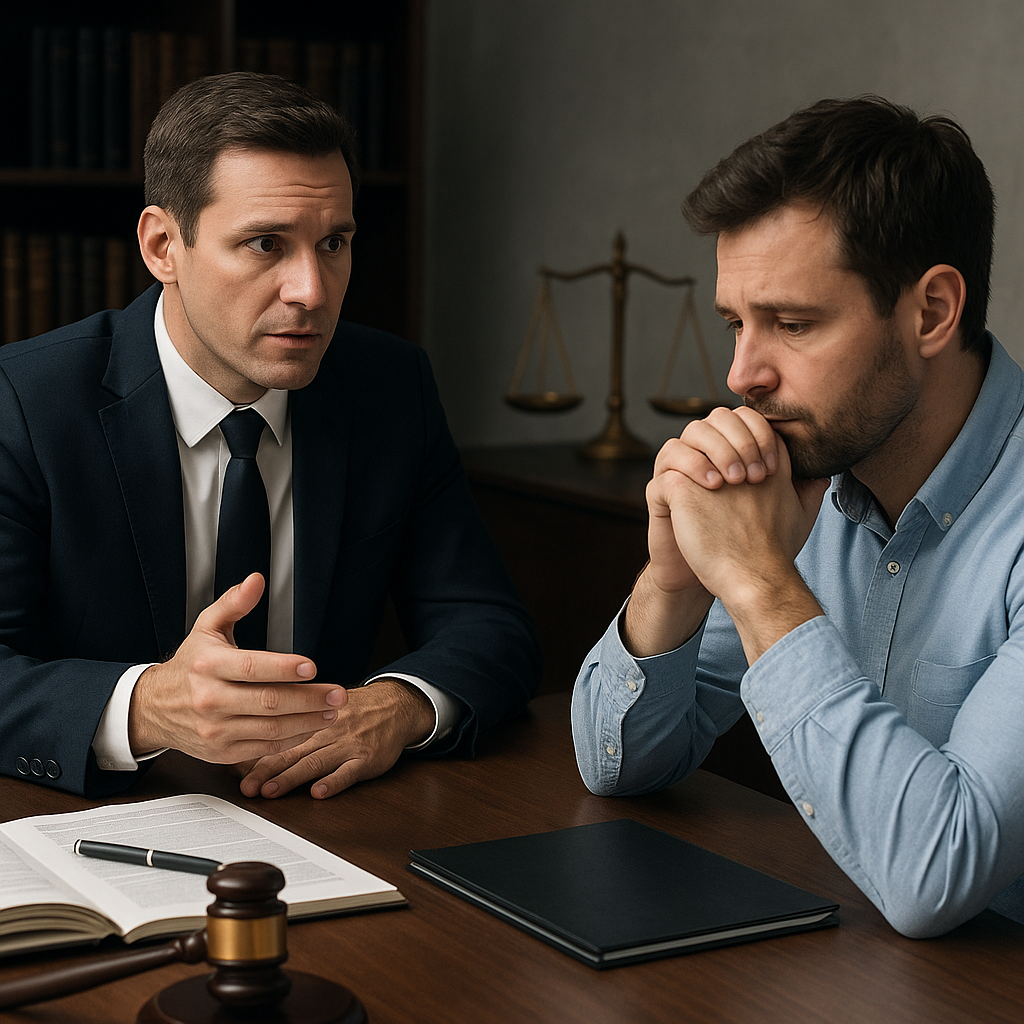
Effective handling of an evidence suppression hearing demands a deep understanding of constitutional protections, meticulous preparation, and persuasive courtroom presentation. Criminal defense attorneys work to secure the client’s rights by challenging the prosecution’s ability to introduce critical material. Through a blend of legal research, factual investigation, and tactical foresight, the lawyer aims for the exclusion of unlawfully obtained evidence, thereby strengthening the defense at trial.
Pre-Hearing Investigation and Motion Practice
Gathering Records and Witness Statements
Before filing any motion, the defense counsel conducts a comprehensive review of police reports, dispatch logs, video footage, and audio recordings. Establishing a timeline of events enables identification of potential breaks in procedure. Interviews with witnesses—both civilian and law enforcement—help assess credibility and corroborate or contradict official accounts. The attorney often subpoenas records related to communications between officers and internal affairs files to uncover patterns of misconduct. By pinpointing discrepancies in testimony or procedure, the lawyer lays the groundwork for a powerful suppression argument.
- Analyze arrest reports for missing Miranda warnings or improper detention periods.
- Review search warrant affidavits for incomplete or misleading facts.
- Document any deviations from standard protocol during evidence collection.
- Obtain body-camera and dashboard-camera footage to verify chain of custody.
Drafting and Filing the Suppression Motion
Once the factual matrix is clear, the defense drafts a detailed motion to suppress, citing relevant case law and statutory provisions. Key elements include:
- Motion for leave to file supporting affidavits from nonparty witnesses.
- Memorandum of points and authorities with citations to landmark Supreme Court decisions.
- Requests for evidentiary hearings under applicable rules of criminal procedure.
- Proposed findings of fact and conclusions of law tailored to local practice standards.
During this stage, the attorney emphasizes any violations of the Fourth or Fifth Amendment, such as searches without a valid warrant or confessions obtained through coercion. By framing the motion around constitutional safeguards, the lawyer signals to the judge the gravity of the alleged misconduct.
Strategic Presentation at the Hearing
Direct Examination of Defense Witnesses
At the suppression hearing, careful direct examination of defense witnesses can expose flaws in the prosecution’s narrative. The attorney may call:
- Expert witnesses on forensic methodology to challenge lab procedures.
- Civilians present at the scene who observed interactions between officers and the defendant.
- Investigators who can testify to gaps in the chain of custody.
Through precise questioning, the defense highlights inconsistencies and underscores the lack of probable cause. The lawyer uses exhibits—such as photographs or time-stamped logs—to reinforce each witness’s testimony, creating a cohesive argument that the search or seizure was unlawful.
Cross-Examination and Challenging Government Evidence
When the prosecution presents its witnesses, the defense launches a targeted cross-examination to undermine their credibility. Techniques include:
- Pointing out conflicts between witness statements in police reports and live testimony.
- Highlighting gaps in training or protocol adherence by law enforcement personnel.
- Questioning the reliability of scientific processes or equipment calibration.
- Exposing any incentive to misstate facts or omit key details under administrative pressure.
By dismantling the factual basis for the search or the interrogation, the defense attorney seeks to convince the judge that the challenged material is the fruit of the poisonous tree and must be suppressed under established legal doctrine.
Post-Hearing Analysis and Next Steps
Rulings on Admissibility and Trial Strategy Adjustment
Following the hearing, the court issues an order granting or denying the suppression motion. If the judge orders exclusion of critical evidence, the defense team recalibrates the trial strategy:
- Reevaluate plea negotiations in light of the weakened prosecution case.
- Shift focus to alternative defenses or challenge remaining evidence.
- Prepare for potential jury instructions regarding missing or excluded material.
- Update witnesses and experts for cross-examination on other points of contention.
In instances where the motion is denied, the attorney reviews the transcript to determine if grounds exist for further relief. Sometimes, the ruling reveals misapplications of law or procedural errors warranting interlocutory appeal or motion for reconsideration.
Appeals and Preservation of Issues
To preserve the record for appellate review, the defense must meticulously object to any overreaching questions during testimony and ensure the judge adopts precise factual findings. Key steps include:
- Filing a timely notice of appeal on the suppression ruling.
- Drafting an appellate brief that emphasizes constitutional errors and misinterpretations of precedent.
- Arguing that the lower court abused its discretion in weighing evidence.
- Requesting oral argument to highlight the importance of protecting individual rights against unlawful searches.
By preserving each contested point, the lawyer maintains a viable path to overturn the decision and safeguard the client’s right to a fair trial.