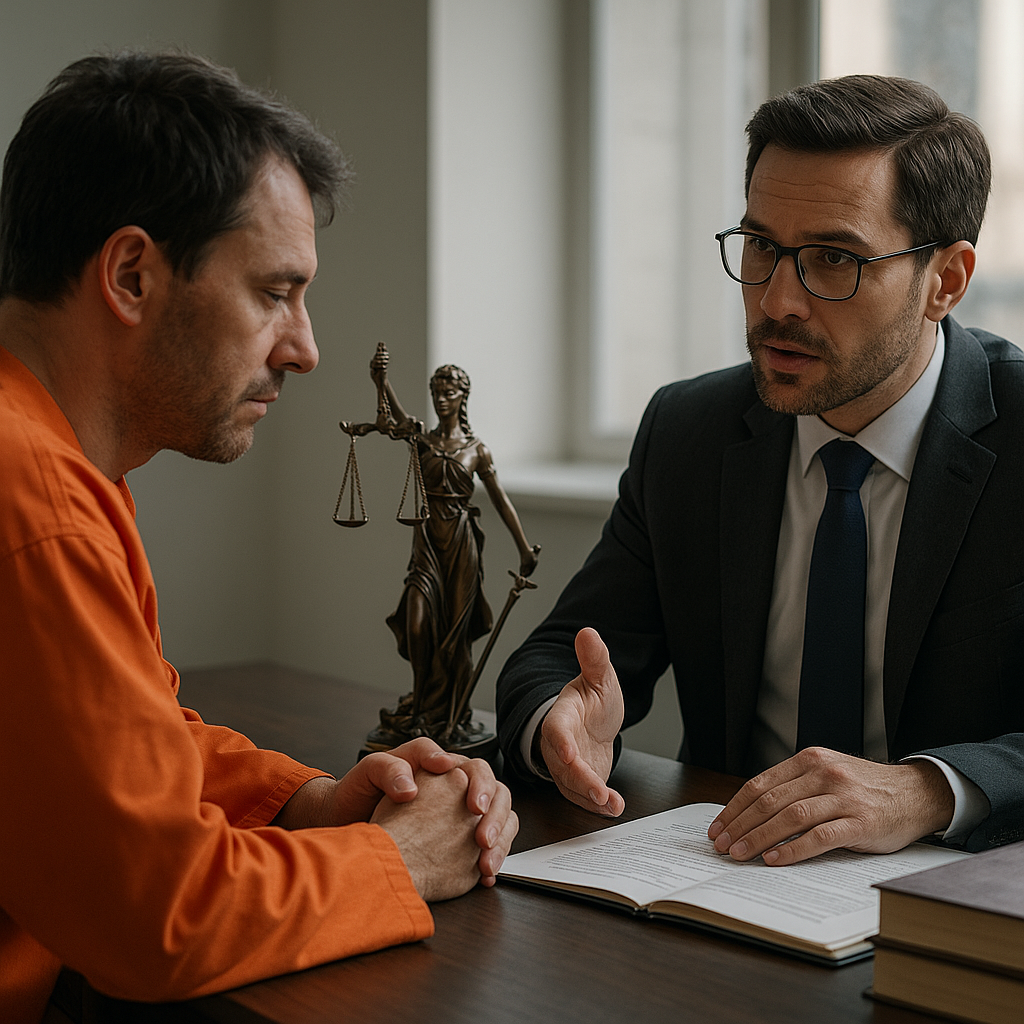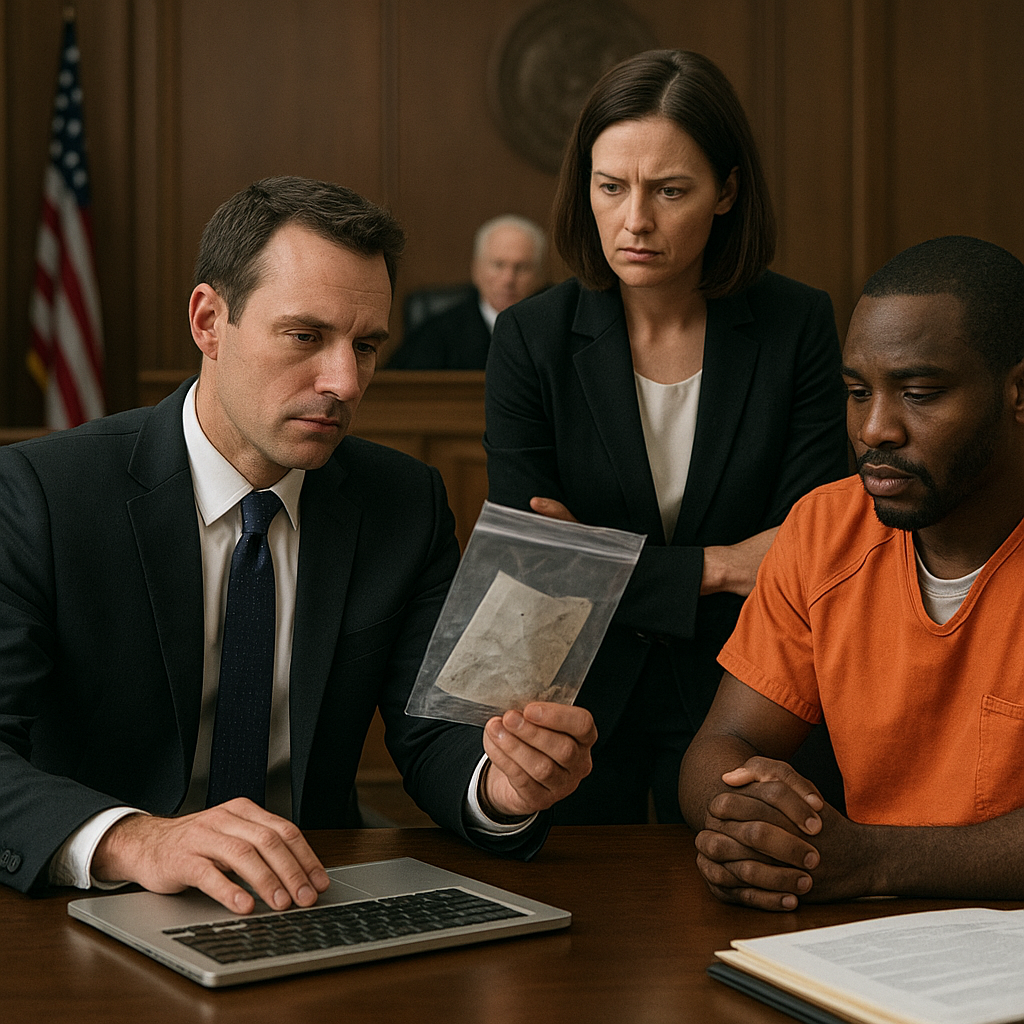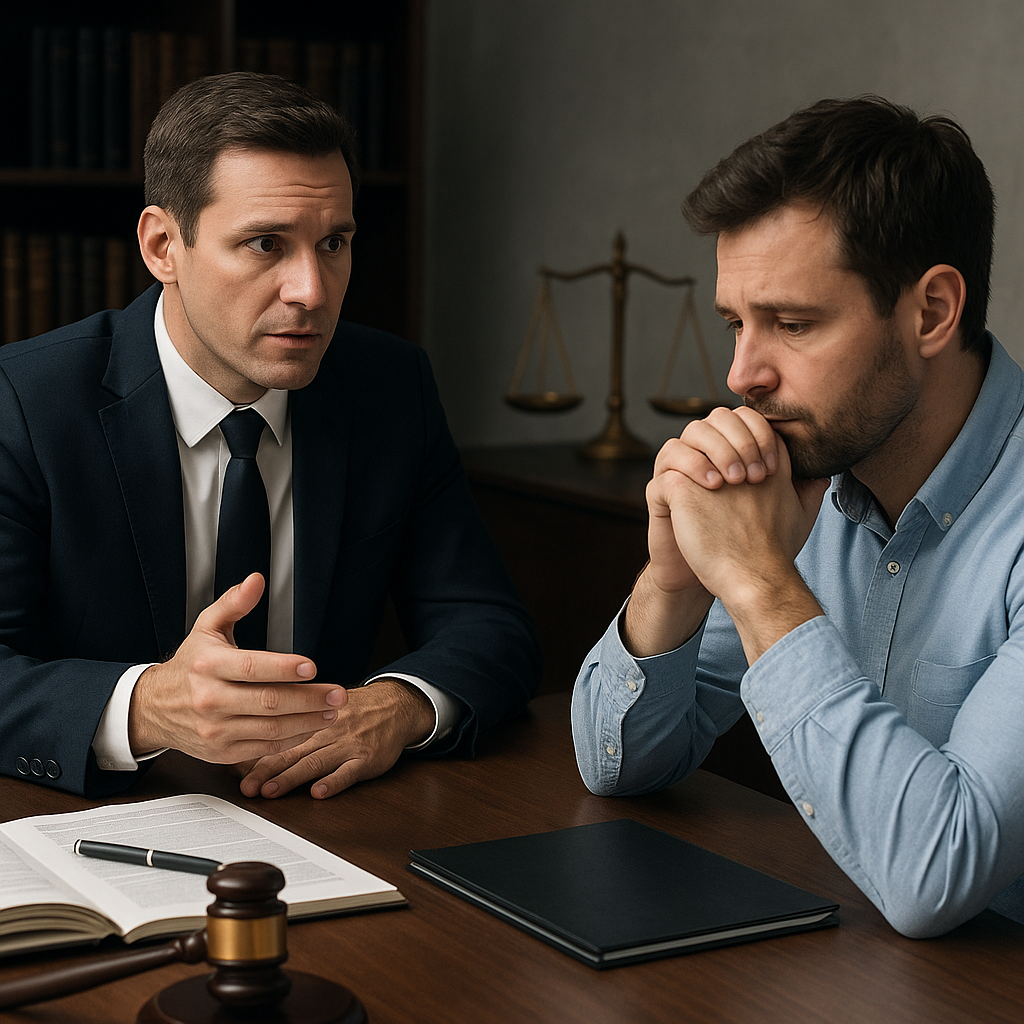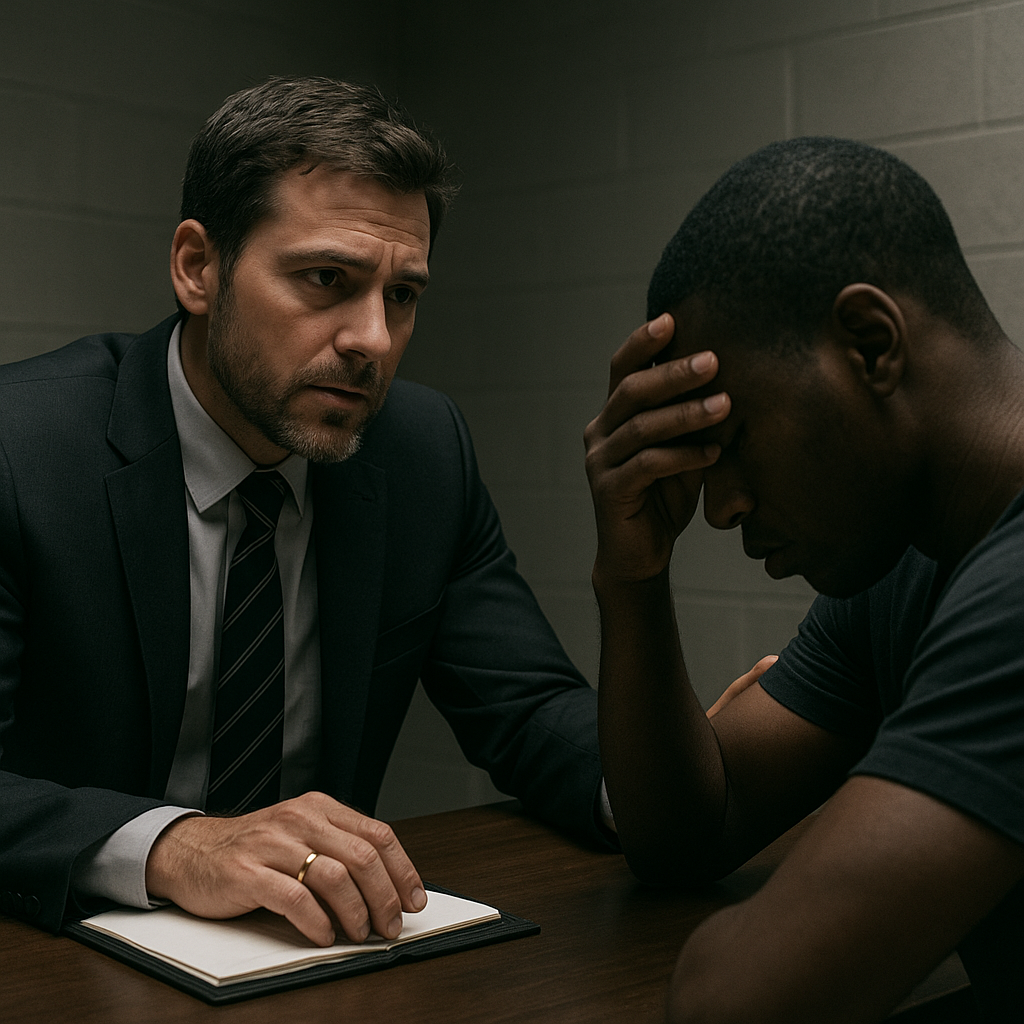
Criminal defense attorneys face one of the most challenging obstacles when a client is accused based on a false confessions. These admissions, though persuasive to juries and prosecutors, can be riddled with issues like coercion, misunderstanding, or manipulation. A skilled criminal lawyer must navigate complex investigative records, psychological evaluations, and constitutional safeguards to protect a client’s rights and preserve their innocence.
Understanding False Confessions
A confession typically carries immense weight in a criminal trial, often tipping the scales against the accused. However, not all confessions are created equal. False admissions of guilt can occur under a variety of circumstances:
- Vulnerability of the suspect, including youth, mental disability, or lack of legal counsel.
- Lengthy or aggressive interrogation sessions designed to break down resistance.
- Promises of leniency or threats of harsher punishment if one does not confess.
- Misleading statements regarding physical evidence or purported eyewitness testimony.
- Psychological pressure including isolation, fatigue, or repeated questioning.
Understanding these dynamics is crucial. Attorneys examine police reports, audio recordings, and video footage to identify points where due process may have been compromised. They look for signs of trickery, false promises, or failure to honor the right to counsel.
Legal Strategies to Challenge False Confessions
Once a lawyer establishes that a confession may be unreliable, they deploy several legal maneuvers:
Pre-Trial Motions and Confession Suppression
- Filing a motion to suppress the statement if it was obtained in violation of Miranda rights.
- Arguing that the confession is inadmissible under the Fifth Amendment due to coercion or trickery.
- Challenging the voluntariness of the admission by citing physical or psychological duress.
Attorneys often review the exact wording of warnings given by law enforcement and the defendant’s awareness of their rights. If police failed to clearly administer warnings or continued interrogation after counsel arrived, that can form the basis of suppression.
Utilizing Expert Testimony
Psychologists and forensic experts play a pivotal role in explaining how innocent individuals may confess falsely:
- Experts testify on the impact of miscarriage of memory under high stress.
- Research on interrogation-induced suggestibility and its effects on vulnerable populations.
- Forensic linguists analyze the phrasing of questions that may lead to recantations.
These professionals help jurors understand that a confession, by itself, is not ironclad proof of guilt. Their insights into human behavior underscore the risks of high-pressure questioning and emphasize the need for corroborating physical evidence.
Interrogation Techniques and Their Pitfalls
Law enforcement agencies employ a range of methods intended to elicit confessions quickly and efficiently. However, many of these techniques can backfire:
- Use of the Reid Technique, which involves presenting false evidence to the suspect, increasing the likelihood of a miscarriage of justice.
- Good cop/bad cop routines that prey on the suspect’s emotional state.
- Lengthy sessions that exploit fatigue and confusion, undermining the accuracy of statements.
- Minimization tactics that downplay the severity of the crime to coax admission.
Defense attorneys scrutinize interrogation records line by line. They look for leading questions, contradictory statements by detectives, and any indication that the suspect did not fully comprehend their situation. In some jurisdictions, failure to electronically record the entire interrogation can itself be grounds for exclusion of any resulting confession.
Preventive Measures and Best Practices
To mitigate the risk of false confessions, criminal lawyers adopt proactive steps well before trial:
- Ensuring that clients are informed of their rights immediately upon detention, including the right to remain silent and to counsel.
- Demanding access to complete interrogation recordings and police notes through prompt discovery requests.
- Engaging consultants to review law enforcement protocols and identify deviations from standard procedures.
- Preparing clients for potential questioning scenarios, emphasizing the importance of requesting an attorney if unsure.
- Negotiating with prosecutors to secure corroborative evidence rather than relying solely on admissions.
By establishing a robust defense strategy from the outset, attorneys reduce the likelihood that a client’s initial statements become the centerpiece of the prosecution’s case. They emphasize continual vigilance to protect the reliability of evidence and ensure that every procedural safeguard is honored.
Training and Awareness for Defense Teams
Law firms specializing in criminal defense often invest in ongoing education to stay updated on evolving interrogation methods and relevant case law:
- Workshops on the psychological aspects of coercion and deceptive questioning.
- Mock trial exercises focusing on cross-examination of law enforcement officers.
- Collaboration with innocence projects and advocacy groups to learn from exoneration cases.
- Regular reviews of appellate decisions that address the admissibility of confessions.
These initiatives foster a deep understanding of how false admissions occur and how to counteract them effectively in court.
Collaborating with Investigators and Experts
Building a credible defense often involves cooperation between criminal lawyers and private investigators or forensic analysts. This collaborative effort aims to:
- Reexamine physical evidence to verify if it aligns with the alleged admission.
- Conduct independent interviews with witnesses to challenge police findings.
- Identify alternative suspects or explanations for forensic results.
- Obtain scientific analyses that may refute law enforcement’s narrative.
Through meticulous fact-finding and strategic use of expert resources, defense teams can dismantle the prosecution’s reliance on a forensic confession alone, demonstrating reasonable doubt in the minds of jurors.
Ensuring Fair Trials and Upholding Rights
Ultimately, criminal lawyers serve as guardians of constitutional protections. By rigorously contesting any evidence tainted by undue pressure or procedural irregularities, they uphold the principle that no conviction should rest on a voluntariness claim alone. Every defendant deserves a presumption of innocence and a trial conducted with transparency and integrity.