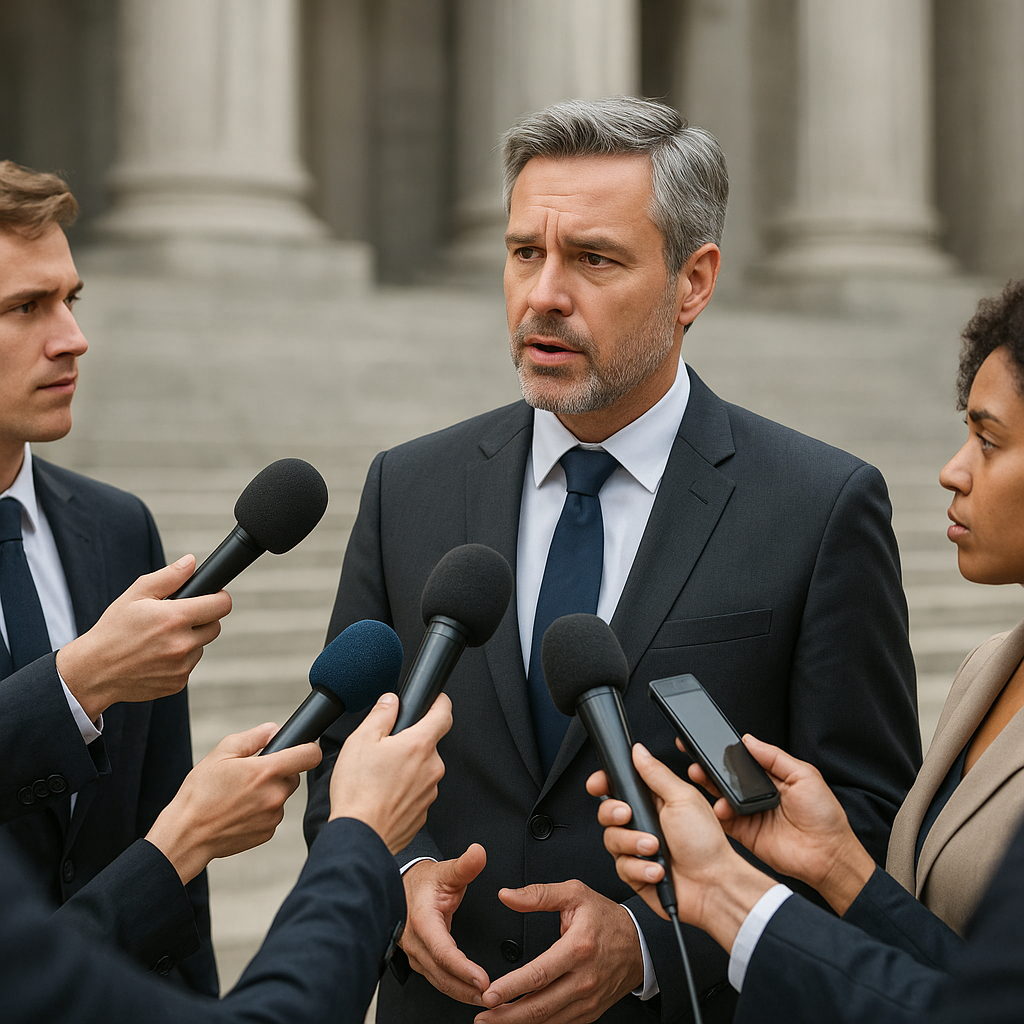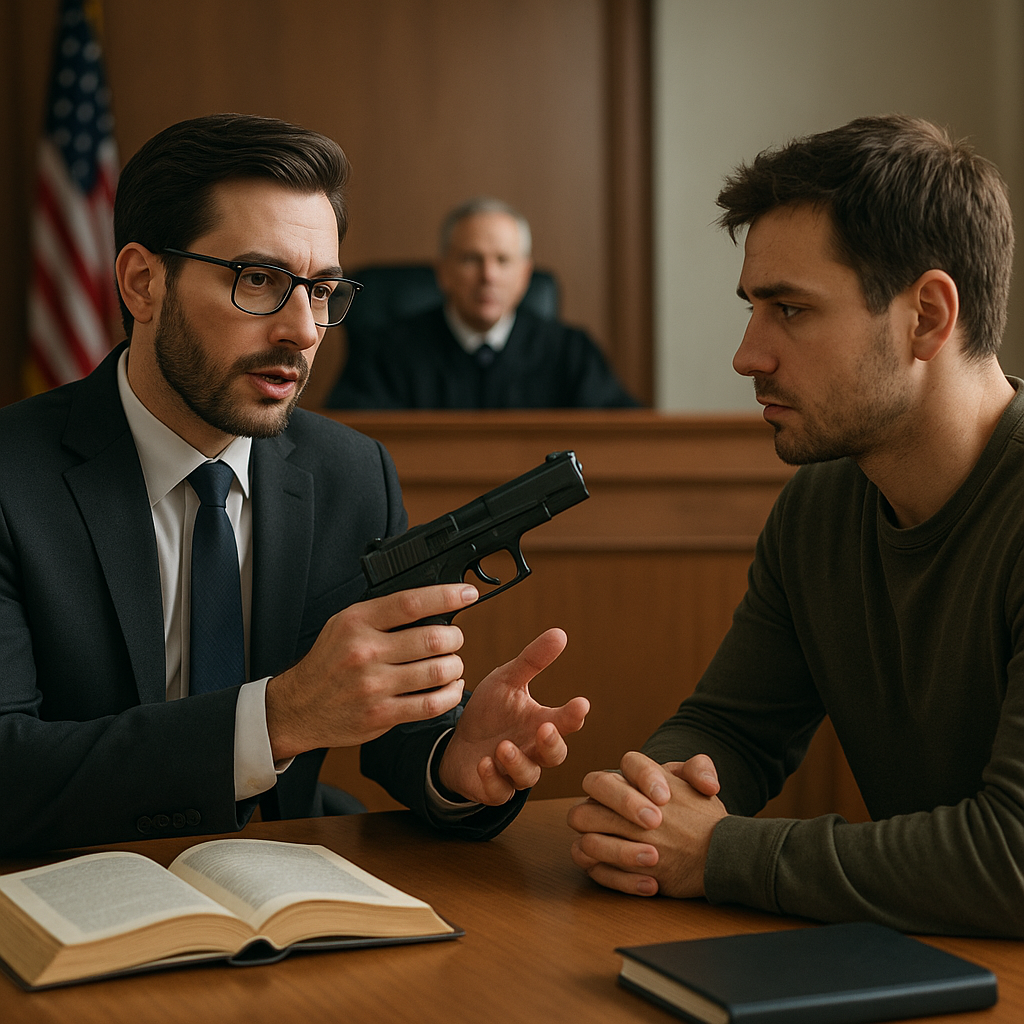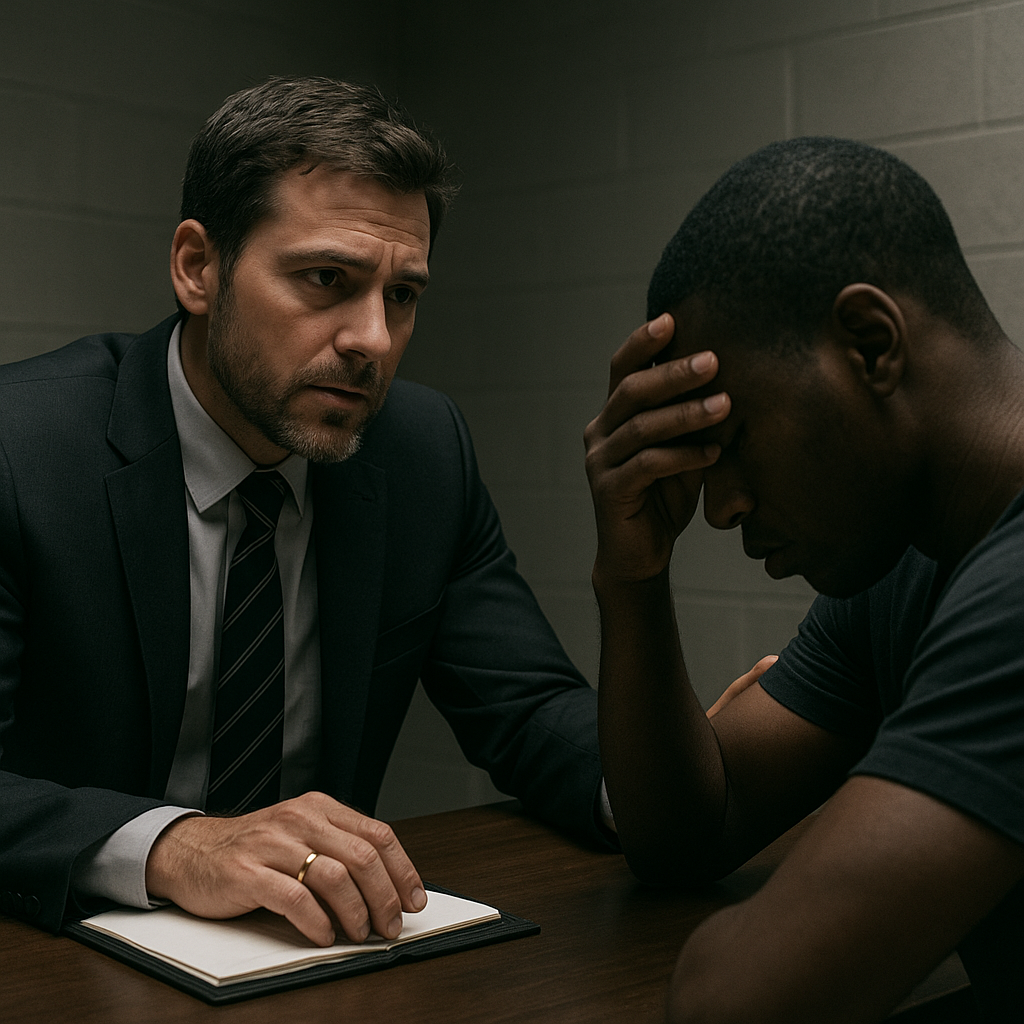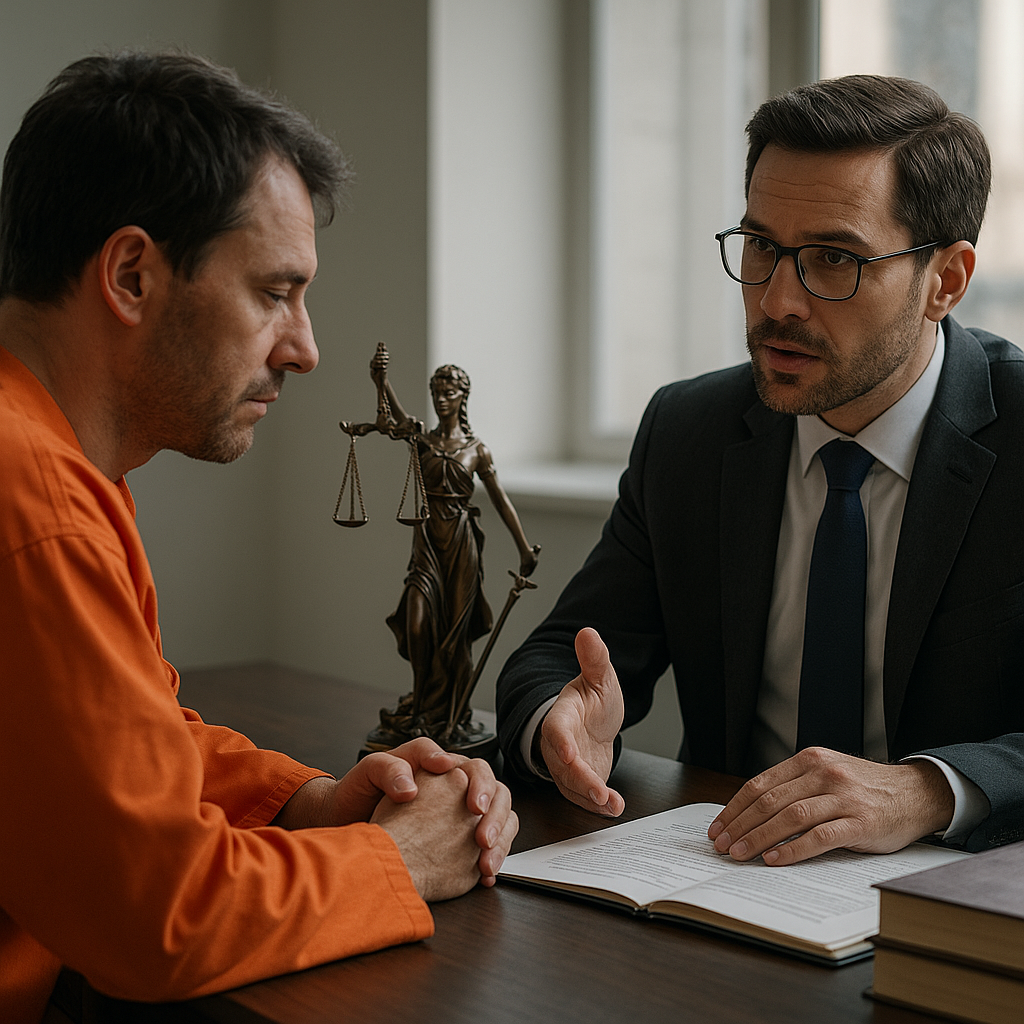
The legal journey of a kidnapping case begins the moment an individual is accused of abducting another person. Unlike many other criminal matters, these cases involve heightened public attention, complex forensics, and emotionally charged evidence. Criminal defense attorneys tasked with representing those accused must employ meticulous planning, extensive investigation, and creative courtroom arguments. From initial client interviews through jury selection and closing statements, every step demands precision, empathy, and unwavering dedication.
The Role of Criminal Lawyers in Kidnapping Cases
When a suspect first approaches a criminal lawyer, the primary goal is to secure their rights and ensure procedural fairness. Attorneys must:
- Conduct a thorough review of all police reports, surveillance footage, and witness statements.
- Advise clients on how to communicate—or refrain from communicating—to protect against self-incrimination.
- File pretrial motions that may exclude unlawfully obtained evidence or suppress coerced confessions.
These preliminary motions can significantly weaken the prosecution’s case. By challenging search warrants, demanding detailed chain-of-custody documentation, or questioning the legality of detention, attorneys create opportunities to have key pieces of evidence dismissed. Early victories in pretrial proceedings often set the tone for the entire defense, forcing prosecutors to negotiate more favorable plea agreements or even drop charges that cannot survive judicial scrutiny.
Investigative Strategies and Evidence Gathering
Identifying Critical Leads
Every kidnapping case hinges on reconstructing a timeline of events. Lawyers collaborate with private investigators and crime-scene specialists to:
- Map out the victim’s last known locations and compile digital footprints such as cell tower pings and GPS records.
- Interview eyewitnesses in person to uncover inconsistencies in their recollections or potential biases.
- Review video footage from traffic cameras, doorbell systems, and commercial security networks.
These efforts often unearth alternative suspects or confirm alibis that undermine the prosecution’s narrative. A seasoned defense attorney knows how to exploit gaps in surveillance coverage and highlight discrepancies between official timelines and on-the-ground intelligence.
Forensic and Scientific Analysis
Advanced forensic techniques can exonerate the accused by demonstrating that the physical evidence does not align with prosecutorial claims. Common analyses include:
- DNA testing to verify whether genetic material links the defendant to the crime scene.
- Fingerprint comparison to disprove alleged handling of the victim’s belongings.
- Cell phone forensics to establish call logs and location data that corroborate an alibi.
Collaborating with independent experts ensures objectivity. When defense lawyers introduce credible counter-expertise during hearings, jurors gain a more nuanced understanding of scientific ambiguity.
Defense Tactics and Courtroom Advocacy
Once a case proceeds to trial, attorneys deploy targeted defense strategy to cast reasonable doubt. Key tactics involve:
- Cross-examining prosecution witnesses to reveal inconsistencies or ulterior motives.
- Presenting character witnesses who can attest to the client’s integrity, mental health experts who assess capacity, or alibi witnesses who reaffirm whereabouts.
- Utilizing visual aids—timelines, charts, and demonstrative reconstructions—to clarify complex sequences of events for the jury.
An effective cross-examination can dismantle a witness’s credibility in minutes. Through careful preparation, defense attorneys anticipate prosecutorial questions and develop precise follow-up inquiries. This strategic interplay often shifts juror perceptions by revealing gaps in witness testimony.
Jury Selection and Persuasion
Picking an impartial jury is crucial. Lawyers conduct voir dire to identify potential biases concerning victimization, law enforcement trust, or media-driven assumptions. By posing targeted questions, attorneys seek jurors who will evaluate evidence objectively rather than be swayed by emotional appeals.
Throughout trial, attorneys must balance hard facts with storytelling. Engaging narratives that humanize the defendant and contextualize disputed events can make abstract legal concepts more relatable. When closing arguments weave together physical proof, expert insights, and a compelling portrayal of the accused’s character, they solidify the defense’s overarching narrative and leave a lasting impression on jurors.
Collaboration with Experts and Law Enforcement
Criminal defense attorneys in kidnapping cases often liaise with external experts and, at times, even sympathetic law enforcement officers. This collaboration can yield:
- Behavioral analysts who profile potential suspects or assess the defendant’s motive and mental state.
- Technical specialists who decrypt seized electronic devices and recover deleted communications.
- Retired detectives capable of offering alternative interpretations of investigative leads.
By integrating multidisciplinary perspectives, attorneys craft a holistic defense that addresses every facet of the case. Expert depositions framed by seasoned counsel can preempt damaging testimony and reinforce key points during trial. Moreover, positive relationships with certain law enforcement personnel may produce voluntary disclosures that cast doubt on procedural integrity.
Every kidnapping case presents its own labyrinth of legal and factual challenges. Effective criminal defense requires a blend of rigorous groundwork, strategic insight, and persuasive advocacy. By safeguarding the rights of the accused, spotlighting gaps in the prosecution’s narrative, and leveraging expert testimony, attorneys strive to secure favorable outcomes—even in the most daunting circumstances.