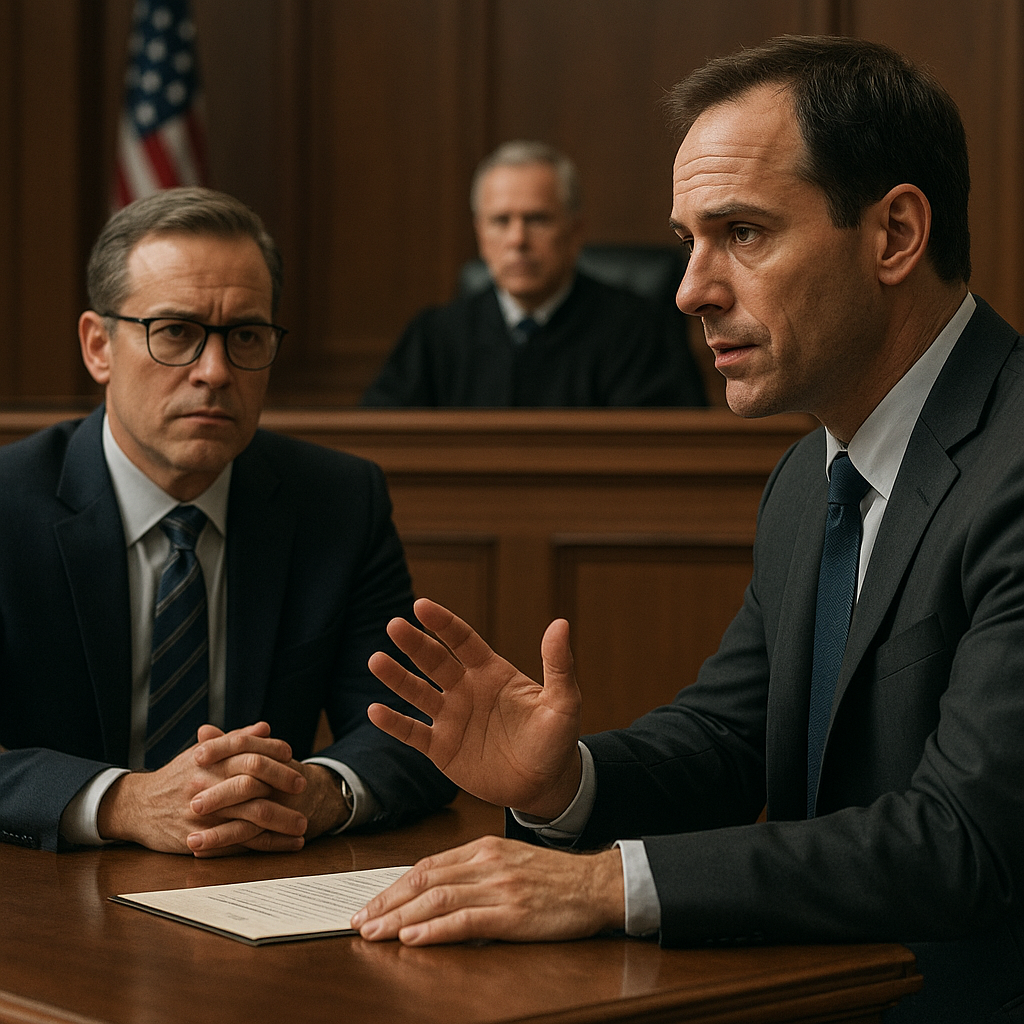
In the intricate realm of financial misconduct, individuals and corporations facing allegations of white-collar wrongdoing rely on seasoned criminal attorneys to navigate a maze of statutes, regulations, and procedural safeguards. The intersection of complex transactions, detailed accounting records, and high-stakes reputational concerns demands a tailored approach, where every decision can shape the outcome of an investigation or trial. This article explores how skilled defense counsel orchestrate each phase of the case, from the initial inquiry through trial and beyond, to protect client interests and uphold the principles of justice.
Understanding White-Collar Offenses
White-collar crimes encompass non-violent, financially motivated offenses typically committed by business professionals, public officials, or corporate entities. Such charges may involve fraud, embezzlement, money laundering, insider trading, bribery, tax evasion, or conspiracy. Prosecutors and regulators often pursue these matters in parallel, with agencies like the Securities and Exchange Commission (SEC), Department of Justice (DOJ), and Internal Revenue Service (IRS) launching probes that can culminate in civil penalties, administrative actions, or criminal indictments.
- Securities fraud and market manipulation
- Corporate accounting fraud (e.g., Enron-style schemes)
- Ponzi and pyramid schemes
- Public corruption and bribery
- Healthcare fraud (e.g., Medicare/Medicaid billing abuses)
These complex cases hinge on voluminous documents, digital communications, and financial ledgers. Criminal lawyers must dissect thousands of pages, identify key anomalies, and craft a narrative that challenges the prosecution’s version of events.
The Role of Criminal Lawyers in Complex Financial Cases
At the heart of a robust defense is the attorney’s expertise in both substantive law and procedural tactics. Early decisions—whether to cooperate, negotiate, or contest charges vigorously—carry profound consequences. Counsel must balance the client’s legal exposure with reputational risk, potential civil liabilities, and the impact of public scrutiny.
Initial Consultation and Risk Assessment
During the investigation phase, defense counsel conduct a thorough intake, reviewing regulatory letters, search warrants, subpoenas, and grand jury subpoenas. This stage involves:
- Assessing the scope of alleged misconduct
- Identifying privileged communications and shielding them from disclosure
- Advising on interview protocols and rights against self-incrimination
- Determining cooperator strategies and potential whistleblower claims
By mapping the possible criminal exposure and related civil or administrative consequences, lawyers guide clients toward informed decisions about cooperation or contestation.
Building a Defense Strategy
Formulating a winning plan requires the careful curation of evidence to support exculpatory theories or mitigation. Lawyers employ forensic accountants, IT specialists, and industry experts to reconstruct transaction histories, authenticate electronic records, and challenge the prosecution’s technical assumptions. Key strategic considerations include:
- Data preservation and forensic imaging of devices
- Privilege logs to protect sensitive communications
- Use of expert reports to counter government experts
- Timing of motions to suppress improperly obtained evidence
Investigation and Pre-Trial Maneuvers
Once a formal inquiry takes shape—through a subpoena or search warrant—criminal attorneys spring into action to constrain the government’s reach and protect client rights. Transparency with the client is critical: every action by investigators can generate discoverable materials that influence plea considerations or trial preparation.
Effective counsel employ a range of procedural tools to shape the record:
- Filing motions to quash or narrow subpoenas
- Seeking protective orders to limit document dissemination
- Engaging with regulators to negotiate resolution of overlapping civil and criminal matters
- Preparing parallel civil-defense strategies to reduce total exposure
In many cases, attorneys also enter negotiation with prosecutors to explore deferred prosecution agreements or non-prosecution agreements that can spare clients from formal indictment in exchange for strict compliance measures.
Trial Phase and Courtroom Tactics
When a case proceeds to trial, defense teams must leverage courtroom dynamics to their fullest advantage. From jury selection to closing argument, each moment offers an opportunity to cast doubt on the government’s narrative:
Effective Jury Selection
Voir dire is not merely a formality. It’s the first step in assembling a panel receptive to complex financial testimony. Lawyers probe potential biases regarding corporate defendants, financial institutions, and white-collar wrongdoing to ensure a fair and impartial jury.
Direct and Cross-Examination Techniques
Adroit cross-examination can unravel witness credibility, expose gaps in the prosecution’s case, and highlight alternative explanations for alleged misconduct. Defense counsel prepare meticulously to:
- Confront government witnesses with documentary contradictions
- Undermine expert testimony by spotlighting methodological flaws
- Use demonstrative exhibits to illustrate benign interpretations of transactions
- Emphasize the absence of criminal intent, a crucial element in white-collar offenses
The artful use of demonstratives, timelines, and analogies helps jurors grasp intricate financial concepts and see reasonable doubt where it exists.
Sentencing, Appeals, and Post-Trial Relief
When a verdict—or plea agreement—entails potential incarceration, substantial fines, or restitution, defense counsel pivot to the mitigation phase. Attorneys craft detailed sentencing memoranda, highlighting the client’s character, contributions to society, and acceptance of responsibility. Key elements include:
- Presentence reports and impact statements
- Letters of support from business associates and community leaders
- Demonstrated compliance programs instituted to prevent future violations
- Expert evaluations of personal and economic hardships
If the outcome is adverse, counsel pursue appeals based on legal errors, improper jury instructions, or evidentiary rulings. In parallel, they may seek post-conviction relief via habeas corpus petitions, challenging constitutional defects in the proceedings.
Ensuring Compliance and Mitigating Future Risk
Beyond litigation, criminal lawyers often guide corporate clients in strengthening internal controls and corporate governance. Implementing rigorous compliance programs, conducting regular audits, and training employees on ethical standards can shield organizations from future investigations. A robust compliance framework not only reduces the likelihood of recurrence but also bolsters defenses in regulatory or criminal forums by demonstrating a commitment to lawful conduct.
By combining strategic foresight, deep subject-matter knowledge, and persuasive advocacy, criminal lawyers chart a path through the complexities of white-collar cases. Their role is not just to contest charges, but to safeguard client interests at every juncture—transforming daunting challenges into opportunities for resolution and renewal.