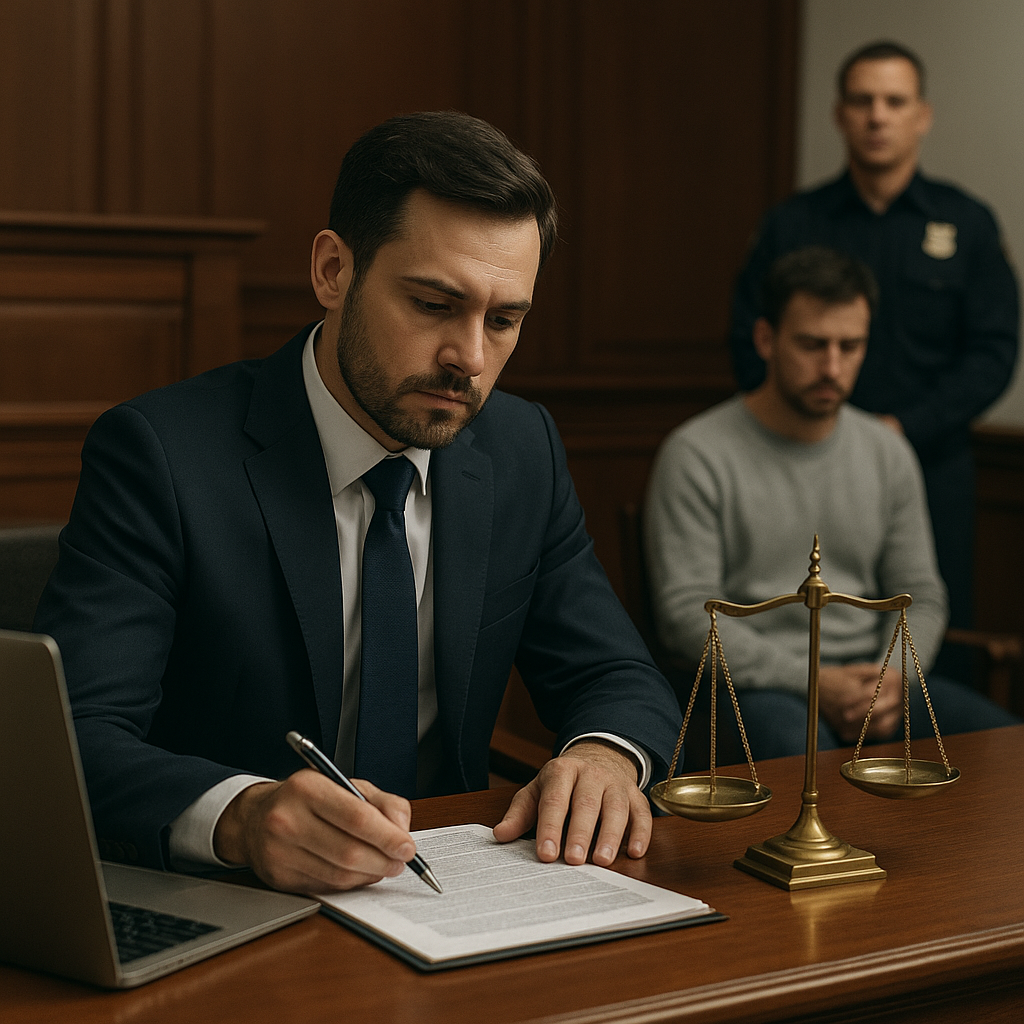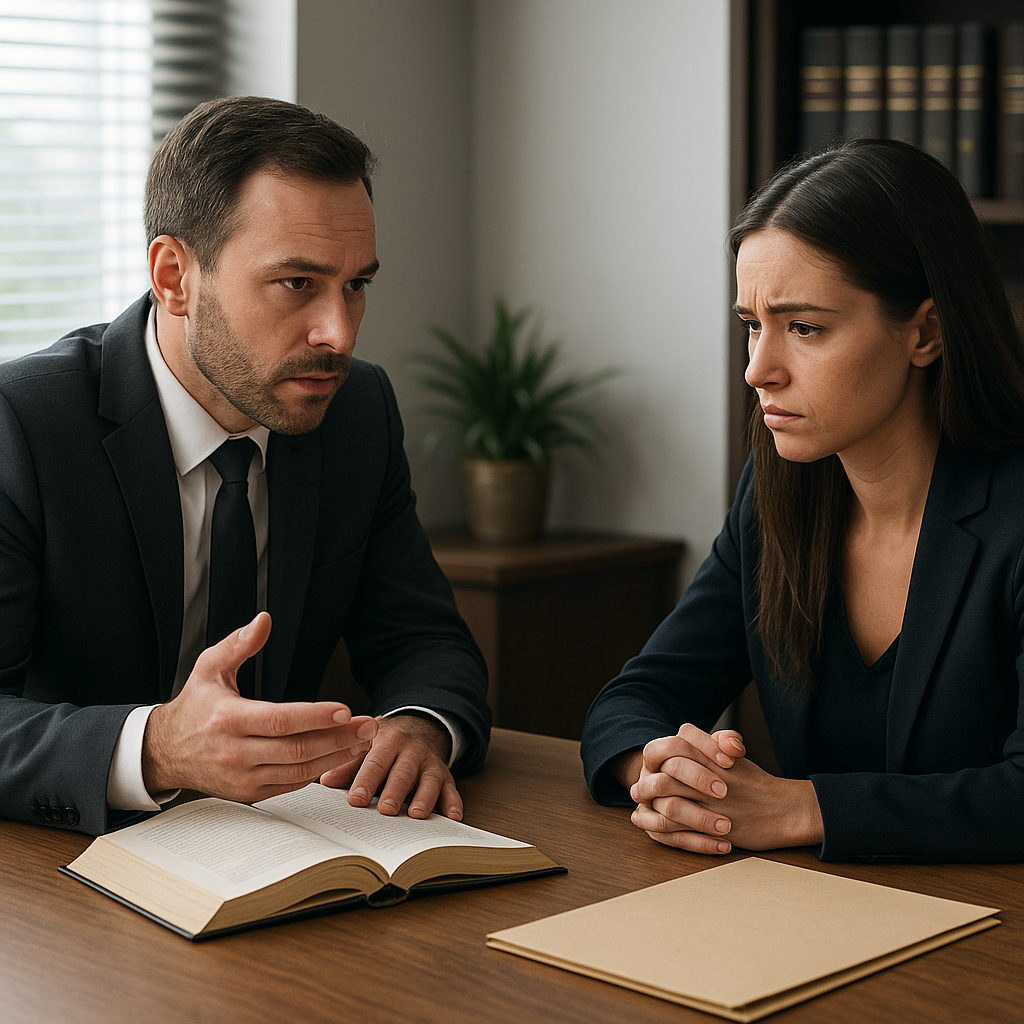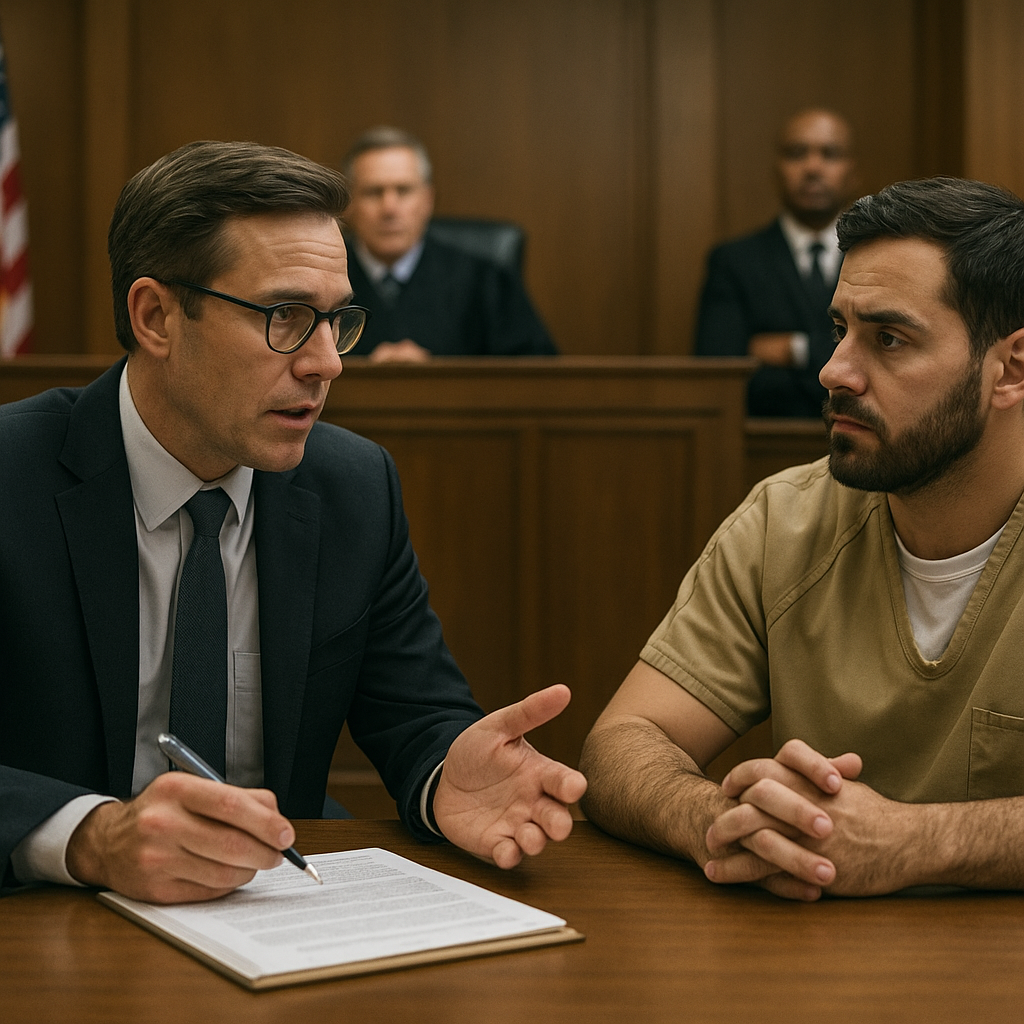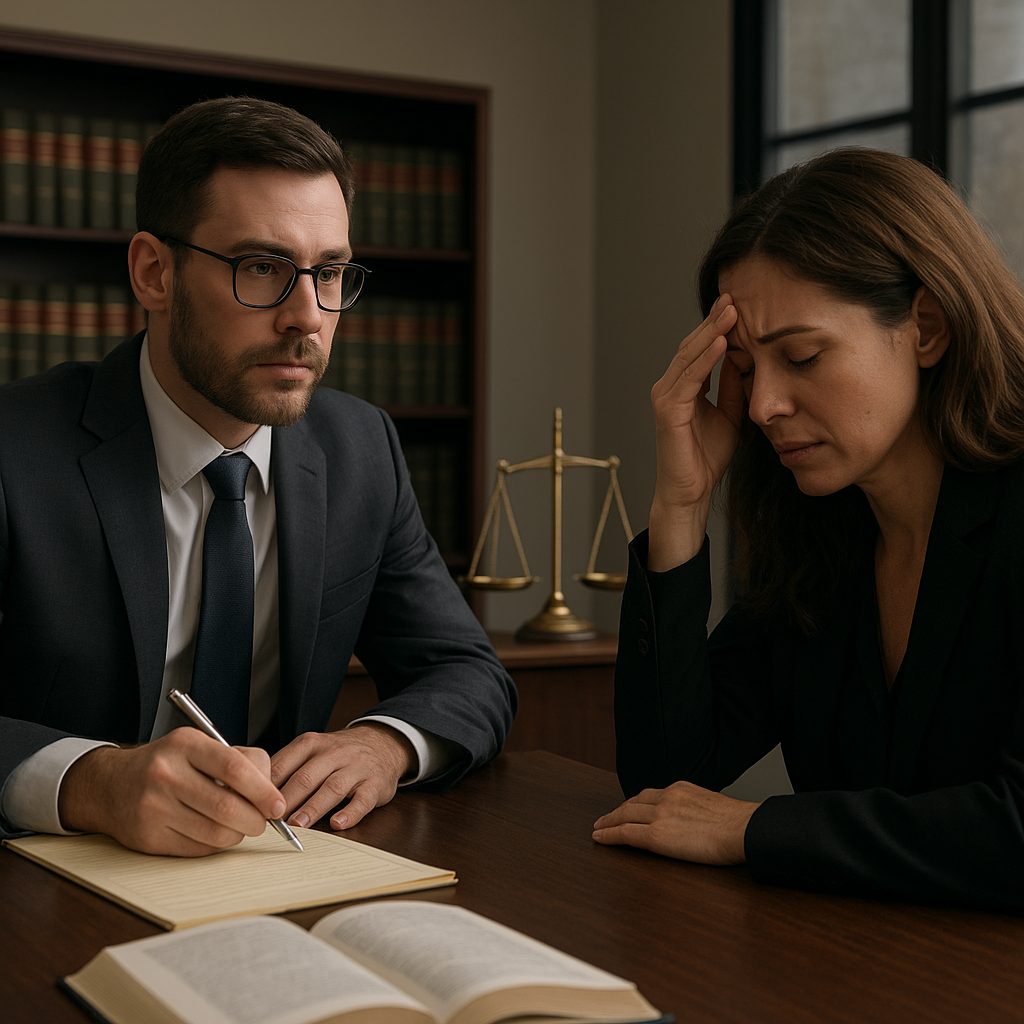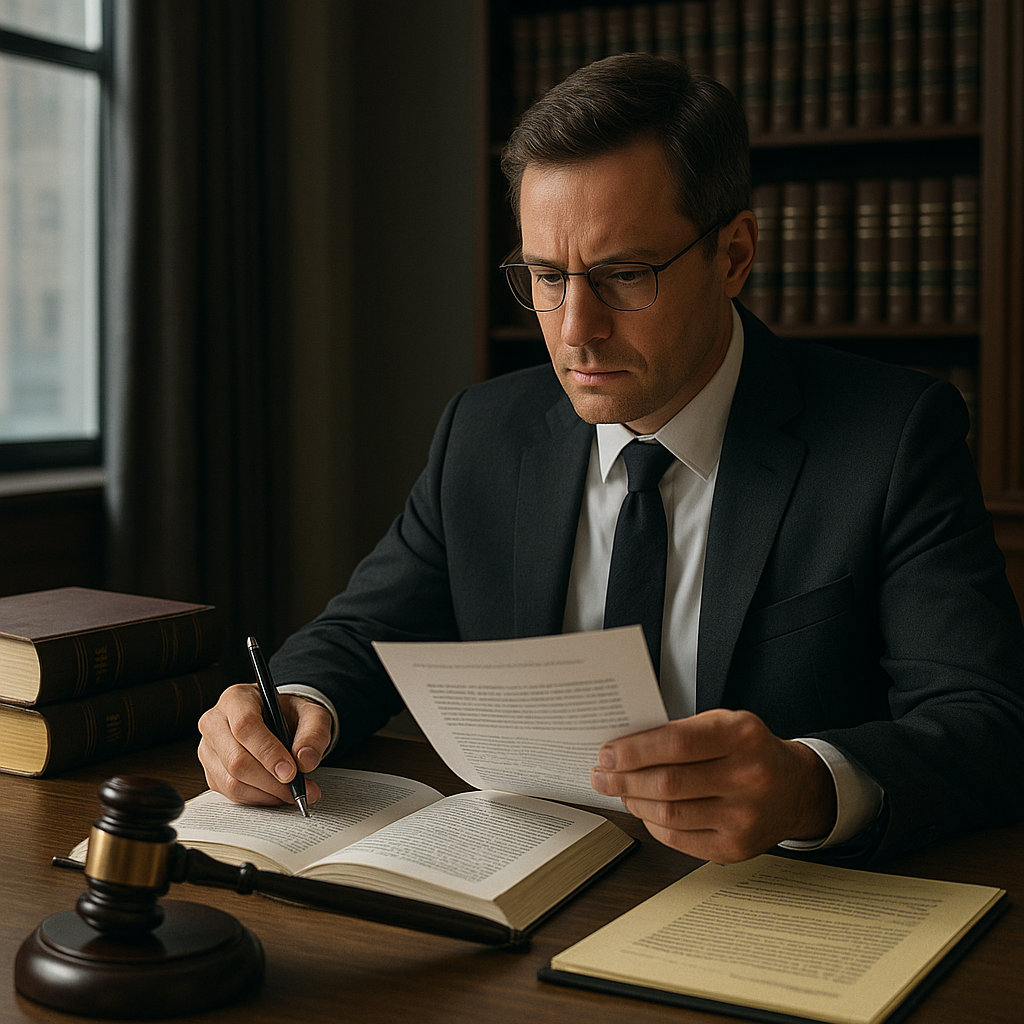
Effective advocacy often hinges on one critical phase of a trial: the cross-examination. This phase can clarify facts, expose inconsistencies, and shape jurors’ perceptions. Criminal lawyers invest countless hours in meticulous preparation, crafting a precise strategy that will withstand intense scrutiny. From studying depositions to anticipating witness testimony, the process demands discipline, creativity, and unwavering attention to detail.
Foundations of Effective Cross-Examination
Before stepping into the courtroom, attorneys immerse themselves in case materials. Reviewing police reports, transcripts, and forensic analyses builds a robust factual basis. This stage relies heavily on the art of discovery, ensuring access to all documents and statements that could influence the portrayal of events.
- Document Analysis: Examining every report for contradictions or omissions.
- Timeline Construction: Laying out a clear sequence of events to test witness recollection.
- Rules of Evidence: Understanding constraints on admissibility and permissible questioning.
By mastering these elements, counsel solidifies the foundation upon which powerful examinations are constructed. A comprehensive grasp of evidentiary rules prevents missteps that could undermine a lawyer’s credibility in the eyes of the judge or jury.
Strategies for Witness Examination
During cross-examination, each question serves a deliberate purpose. Lawyers must anticipate answers, prepare follow-up queries, and navigate potential evasions. Key strategies include:
- Leading Questions: Framing queries to elicit “yes” or “no” responses, minimizing narrative control by witnesses.
- Impeachment Techniques: Confronting a witness with prior inconsistent statements to expose impeachment opportunities.
- Chunking: Breaking complex issues into smaller segments to avoid overwhelming the witness or jury.
Developing these tactics demands extensive role-play and mock trials. Attorneys often enlist colleagues or professional actors to portray hostile or cooperative witnesses. This rehearsal fosters agility and flexibility in adjusting lines of questioning on the fly.
Mastering Courtroom Performance
In-court demeanor shapes jurors’ perceptions as much as the content of questions. To maintain confidence, lawyers focus on voice modulation, pacing, and nonverbal cues. Techniques include:
- Voice Control: Varying volume and tone to underscore critical moments.
- Eye Contact: Establishing rapport with jurors while challenging the witness.
- Physical Presence: Using subtle gestures to project authority without appearing aggressive.
Preparation extends to technological readiness. Ensuring exhibits display properly and electronic documents are accessible prevents interruptions that could derail the momentum of a cross-examination.
Adapting to Unexpected Developments
No matter how thorough the advance work, trials often involve surprises. Witness recollections may shift under pressure, or new evidence might surface mid-hearing. Attorneys must remain alert, ready to pivot their approach. Critical components of this adaptability include:
- On-the-Spot Analysis: Quickly assessing whether a witness’s new statements open avenues for further impeachment.
- Backup Plans: Having alternative lines of questioning prepared in case the primary angle stalls.
- Jury Engagement: Reading juror reactions to gauge whether to press aggressively or adjust tone.
Attorneys often review trial calendars nightly, refining their plan to incorporate the previous day’s insights. This dynamic process ensures the defense or prosecution remains ahead in the battle of narratives.
Collaborative Teamwork and Ethical Considerations
Preparing for cross-examination is rarely a solo endeavor. Junior associates, paralegals, and investigators contribute by:
- Researching Case Law: Identifying precedents that support or limit certain lines of questioning.
- Gathering Background Information: Uncovering witness histories that may affect credibility.
- Coaching Witnesses: Guiding friendly witnesses through practice sessions to build confidence and consistency.
Despite competitive pressures, attorneys must uphold the highest standards of ethics. Questions must remain fair and grounded in verified information. Tactics that verge on harassment or coercion can prompt mistrials or disciplinary action.
Continuous Improvement Through Feedback
Following each cross-examination, seasoned lawyers conduct a rigorous debrief. They assess what worked, which strategy elements faltered, and how jury sentiment shifted. Common review methods include:
- Peer Review: Colleagues provide constructive critique on performance and technique.
- Video Analysis: Recording sessions for self-evaluation of tone, timing, and nonverbal cues.
- Outcome Metrics: Correlating questioning approaches with case outcomes to fine-tune future tactics.
This commitment to continuous learning sharpens an attorney’s ability to manage the unpredictable nature of trials. Each experience enhances the collective knowledge base, elevating the practice of cross-examination across the firm.
Conclusion
Preparing for cross-examination is a multifaceted endeavor that blends rigorous research, psychological insight, and professional teamwork. Through deliberate practice, methodical planning, and ethical discipline, criminal lawyers refine their craft, ready to engage effectively with any witness and to protect their client’s interests in the adversarial arena.