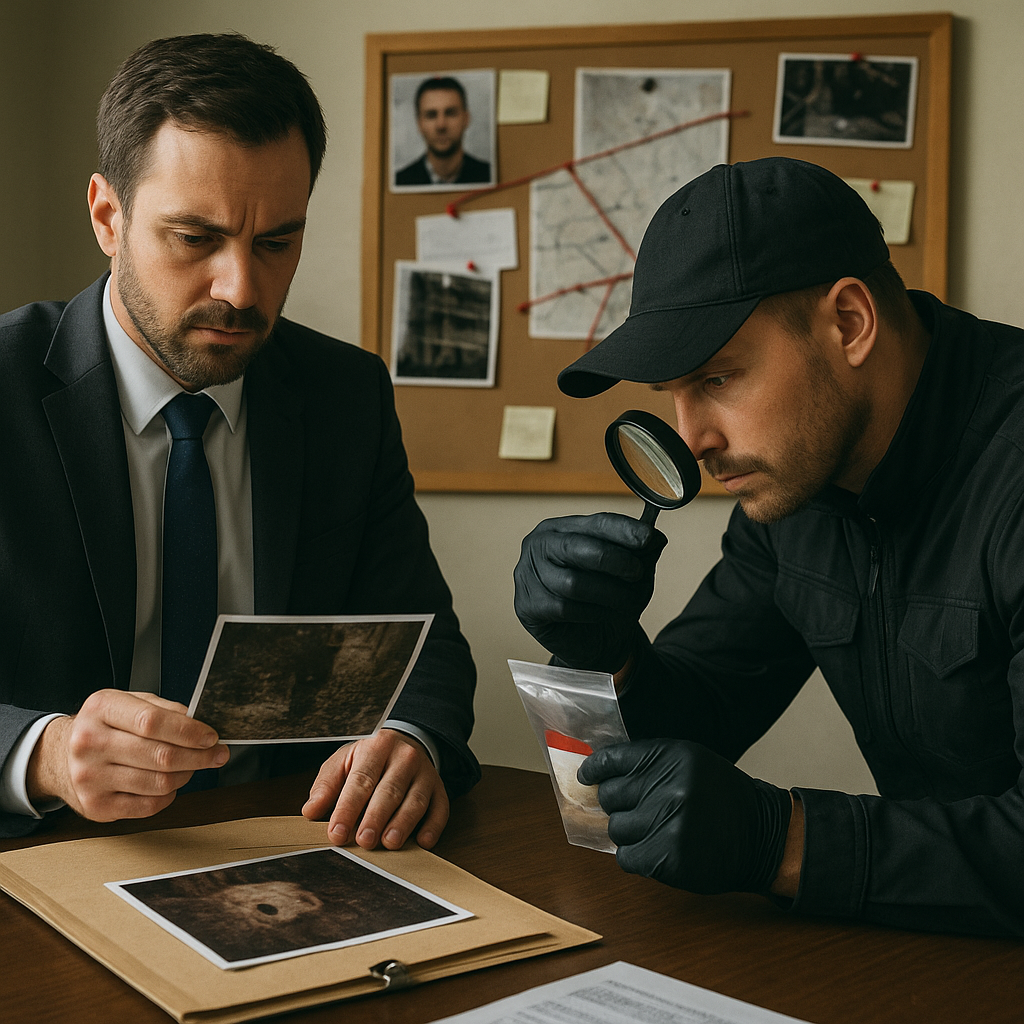
The collaboration between criminal lawyers and expert witnesses often proves pivotal in shaping the outcome of complex cases. When used effectively, expert testimony can transform raw facts into compelling narratives that challenge or reinforce the prosecution’s assertions. From forensic scientists dissecting physical traces to mental health professionals offering behavioral insights, these specialists provide critical analysis and evidence that bolster a defense. Understanding how to engage, prepare, and present an expert is essential for any attorney striving for success in high-stakes courtroom litigation.
Role of Expert Witnesses in Criminal Defense
An expert witness brings specialized knowledge that exceeds the experience of judges and jurors. Their opinions help clarify technical aspects and lend weight to legal arguments. Criminal lawyers rely on experts to interpret forensic data, identify inconsistencies, and explain complex phenomena in layman’s terms.
Selecting the Right Expert
The foundation of a fruitful expert-attorney partnership is choosing a professional whose background aligns with case issues. Key considerations include:
- Educational credentials and professional certification in relevant fields
- Published research or recognized contributions to industry standards
- Previous court experience and an established track record of impartial testimony
- Ability to communicate clearly under cross-examination
For instance, in a toxicology matter, a lawyer would seek a forensic toxicologist with peer-reviewed publications. In a mental state defense, a clinical psychologist with courtroom experience is indispensable. This careful vetting ensures the witness’s credibility withstands scrutiny from opposing counsel.
Establishing Credibility
Credibility is the currency of expert testimony. Courts and juries often gauge reliability through the following steps:
- Detailed review of the expert’s curriculum vitae, highlighting relevant forensic projects
- Depositions to assess the expert’s demeanor, clarity, and impartiality
- Mock presentations to refine the expert’s ability to simplify technical concepts
- Preparation of comprehensive reports that support legal arguments with data-driven insights
By aligning the expert’s narrative with a coherent legal strategy, attorneys can showcase the witness as a neutral arbiter of facts rather than a partisan advocate.
Integrating Expert Testimony into Defense Strategy
Once the expert is retained, the next step is weaving their input seamlessly into the broader case theory. Strategic integration maximizes impact and ensures that technical evidence resonates with lay decision-makers.
Pretrial Preparation
Effective collaboration begins well before trial. During pretrial, criminal lawyers and experts engage in intensive planning:
- Reviewing discovery materials to identify evidentiary gaps and inconsistencies
- Determining the most persuasive format for presenting complex data (charts, animations, or 3D reconstructions)
- Strategizing the sequence of testimony to build momentum and address potential weaknesses
- Conducting joint rehearsals to ensure coordinated delivery and anticipate prosecutorial cross-examination points
This preparatory phase also involves filing motions to admit expert evidence, guided by landmark decisions such as Daubert or Frye. Successful motions hinge on demonstrating that the methodology is scientifically valid and reliably applied.
Working With the Expert During Trial
During the trial, attorneys must manage expert testimony with care:
- Introduce the expert through a clear foundation that establishes qualifications
- Ask concise, structured direct examination questions to guide jurors through complicated subject matter
- Use visual aids and analogies to translate jargon into relatable concepts
- Preserve the expert’s effective communication by preventing antagonistic interruptions
Every question should reinforce the defense’s narrative—for example, illustrating how certain scientific findings cast doubt on the prosecution’s timeline. The lawyer’s role is to mediate the expert’s voice, ensuring it complements rather than overwhelms the overall presentation.
Overcoming Challenges and Opposing Experts
Expert collaboration is not without obstacles. Prosecutors often deploy their own specialists to rebut or diminish defense findings. Criminal lawyers must prepare to counter these efforts strategically.
Daubert and Frye Hearings
Pretrial admissibility hearings filter out unreliable testimony. Attorneys must be ready to:
- Articulate the scientific principles underlying the expert’s methods
- Reference peer-reviewed studies or standard practice guidelines
- Demonstrate a transparent application of scientific protocols to the case facts
Successful navigation of these hearings can dramatically shape trial dynamics, often leaving the prosecution scrambling to find alternative evidence if their own expert is excluded.
Cross-Examination Tactics
Challenging opposing experts requires finesse. Common approaches include:
- Questioning the scope of their experience relative to the specific matter at hand
- Highlighting any conflicts of interest or overreliance on unverified techniques
- Pointing out inconsistencies between their testimony and established literature
- Using mock data examples to expose speculative leaps in reasoning
Moreover, the defense expert must be prepared to withstand these attacks, maintaining composure and clarity when defending their conclusions.
Technological Advances and the Future of Collaboration
Advancements in technology continuously reshape the landscape of expert testimony. From digital forensics to biometric analysis, criminal lawyers must stay abreast of new methodologies:
- Artificial intelligence tools that analyze large datasets and detect patterns unseen by human analysts
- Enhanced imaging techniques for crime scene reconstruction and virtual simulations
- Real-time data acquisition devices that provide minute-by-minute insights into suspect behavior
- Blockchain-based evidence management systems that ensure data integrity and transparency
These innovations demand a proactive stance. Attorneys should cultivate relationships with cutting-edge specialists, attend industry conferences, and encourage ongoing education for themselves and their expert partners. By embracing technological growth, criminal lawyers can craft more persuasive defenses and anticipate future challenges.