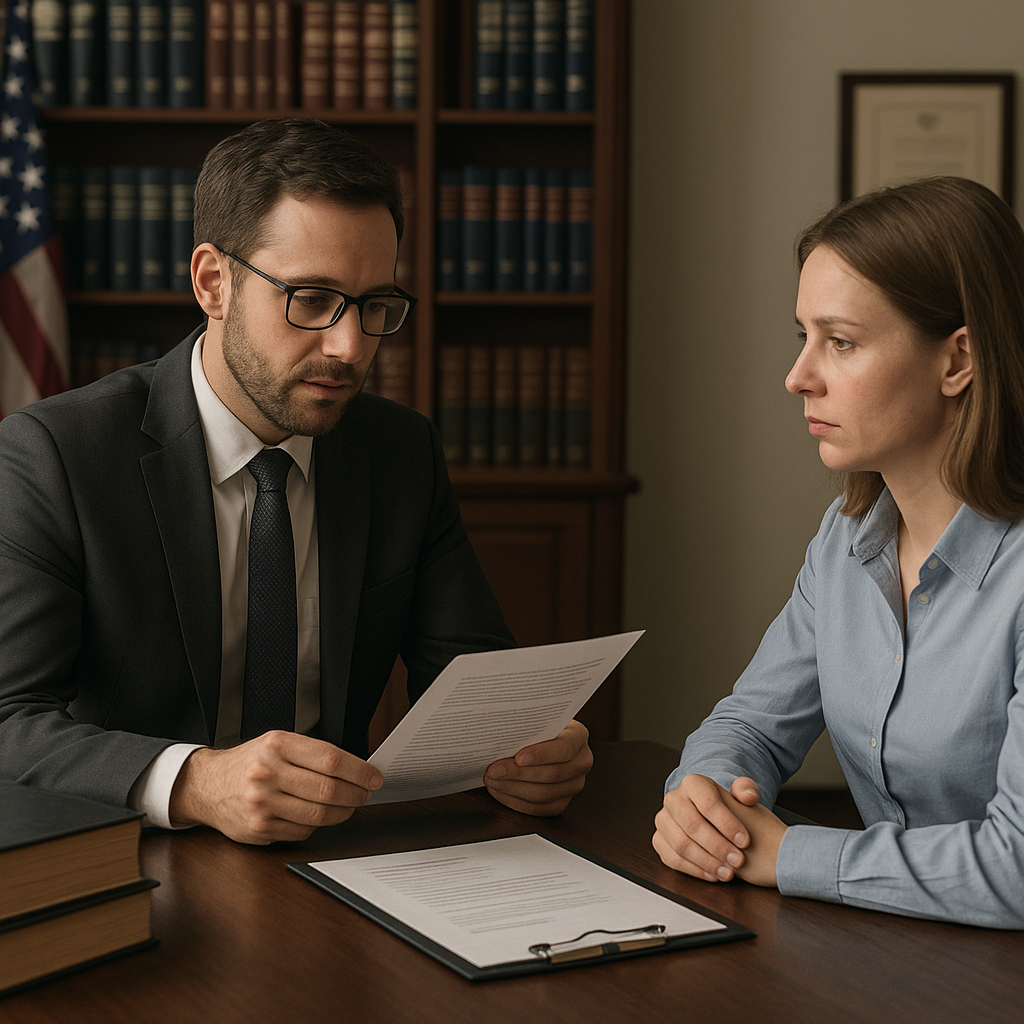
Navigating a criminal case can feel like traversing a complex maze where each decision impacts the final outcome. To maximize your chances of success, you must invest in thorough preparation, maintain open communication with your legal team, and steer clear of costly missteps. This article outlines key strategies and highlights common errors to help clients and attorneys collaborate effectively.
Understanding the Criminal Process
Before embarking on a defense, it’s crucial to grasp the stages of a criminal proceeding. From the moment law enforcement initiates an investigation to the final verdict, each phase carries unique challenges:
- Arrest and Booking: During arrest, officers gather identifiers and possible evidence. Understand your rights—the right to remain silent and to request an attorney immediately.
- Initial Appearance: A judge informs the defendant of the charges and bail conditions. Missing this hearing can lead to long-term detention without bond.
- Preliminary Hearing or Grand Jury: Prosecutors must establish probable cause. Defense counsel can challenge inadequate or illegally obtained evidence.
- Discovery Phase: Parties exchange documents, witness lists, and expert reports. Rigorous review at this stage prevents last-minute surprises.
- Plea Negotiations: Many cases resolve via plea bargains. A savvy attorney weighs the pros and cons of an early resolution versus trial.
- Trial: Both sides present arguments, call witnesses, and conduct cross-examination. The jury (or judge) evaluates credibility before delivering a verdict.
- Sentencing: If convicted, the defense can argue for leniency or alternatives to incarceration.
Recognizing these milestones allows defendants to better align expectations, avoid missed deadlines, and allocate resources efficiently.
Selecting the Right Defense Strategy
No two criminal cases are identical, so crafting a bespoke defense strategy is imperative. Consider the following elements when devising your approach:
1. Early Case Assessment
Arrange an initial meeting with a qualified criminal lawyer to identify strengths and weaknesses. Analyze police reports, witness statements, and forensic findings. This proactive stance helps pinpoint areas ripe for challenge.
2. Legal Theories and Motions
- Motion to Suppress: If evidence was seized unconstitutionally, filing this motion may exclude key materials.
- Insufficient Evidence: Argue that the prosecution lacks the necessary proof to meet the burden of guilt beyond a reasonable doubt.
- Affirmative Defenses: Self-defense, duress, or entrapment can sometimes negate criminal liability entirely.
3. Expert Consultation
Expert witnesses in forensics, psychology, or ballistics can bolster your case. Engaging these professionals early ensures comprehensive analyses and well-prepared testimony.
4. Client’s Role
Defendants should provide full and candid disclosure to their attorney. Withholding information risks flawed advice and can undermine credibility during trial.
Common Pitfalls to Avoid During a Criminal Case
Even experienced defendants sometimes fall prey to predictable errors. Recognizing these missteps can safeguard your rights and improve outcomes:
Pitfall 1: Delayed Legal Representation
- Waiting too long to hire counsel often leads to missed opportunities to challenge evidence or witness statements.
- An early attorney-client relationship ensures that investigations and subpoenas align with defense objectives.
Pitfall 2: Inadequate Fact Investigation
Neglecting independent fact-finding allows the prosecution’s narrative to go unchallenged. Defense teams should:
- Interview all witnesses, even those unfavorable to the client.
- Review surveillance footage, phone records, and digital footprints.
- Retain private investigators for on-the-ground intelligence.
Pitfall 3: Overlooking Procedural Deadlines
- Missing filing dates for motions, discovery requests, or appeals can be fatal.
- Maintain a rigorous calendar system and confirm deadlines with court clerks.
Pitfall 4: Poor Communication with Counsel
- Failing to update your attorney on new facts or concerns hampers case planning.
- Answer calls and emails promptly, and disclose any conflicting objectives.
Pitfall 5: Emotional Decision-Making
Pressure and fear can tempt defendants to suggest unrealistic defenses or impulsive courtroom outbursts. Trust your attorney’s strategy and maintain composure.
Effective Collaboration with Your Criminal Lawyer
A strong attorney-client partnership is the foundation of a robust defense. Follow these guidelines to foster trust and efficiency:
Clear and Honest Communication
From day one, provide your attorney with every detail, no matter how embarrassing or seemingly irrelevant. Full transparency enables your lawyer to anticipate prosecution tactics and craft countermeasures.
Timely Document Sharing
- Forward letters, subpoenas, or court notices immediately upon receipt.
- Share digital evidence—texts, emails, or social media posts—to prevent surprises during trial.
Respecting Legal Advice
While you may have strong opinions, defer to your lawyer’s professional judgment on procedural and tactical matters. This synergy avoids contradictory arguments and reinforces your defense’s coherence.
Financial Planning
Discuss fee structures, retainers, and anticipated costs for experts or investigators. Clear expectations reduce stress and ensure uninterrupted representation throughout the case.
Preparing for Court Appearances
- Rehearse testimony with your attorney to handle direct and cross-examination confidently.
- Dress professionally and arrive early to demonstrate respect for the judicial process.
- Review courtroom procedures with your counsel so you know when to stand, sit, or object.
By adhering to these principles, defendants can collaborate seamlessly with criminal lawyers, ensuring that every procedural and tactical avenue is explored. In a system where details matter, avoiding common mistakes and maintaining a proactive stance often makes the difference between acquittal and conviction.