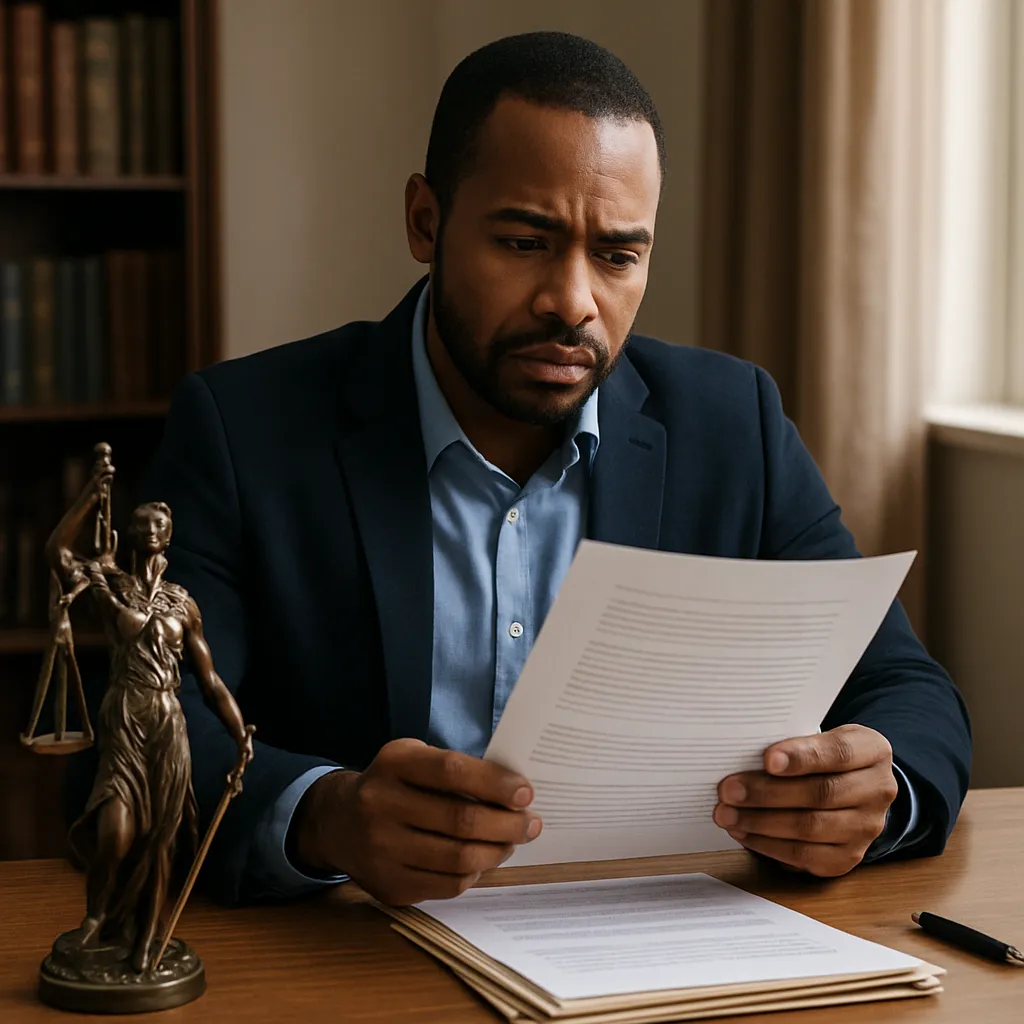
Facing a legal challenge related to criminal charges can upend your life, shaking the foundation of your personal and professional stability. Selecting the right legal representative is crucial to navigating complex procedures, protecting your rights, and building a formidable defense. This guide offers practical insights into identifying and retaining the best criminal lawyer in your area, empowering you to make informed decisions at every step of the process.
Understanding the Criminal Justice System
Before you begin your search for a skilled attorney, it helps to grasp the basic structure of the criminal justice system. Law enforcement agencies investigate alleged offenses, prosecutors decide whether to file charges, and courts preside over hearings and trials. Each stage involves strict rules of procedure, rules of evidence, and constitutional safeguards designed to ensure a fair process.
An experienced criminal lawyer will be well-versed in pretrial motions, evidentiary challenges, plea negotiations, and courtroom tactics. By gaining familiarity with terms such as “arraignment,” “discovery,” and “bail hearing,” you can better assess the depth of an attorney’s knowledge when discussing your case. A comprehensive understanding also helps you participate as an active client, ensuring you follow instructions and provide all necessary documentation on time.
Key Qualities to Seek in a Criminal Lawyer
Proven Experience and Track Record
When facing serious allegations, it’s essential to work with a lawyer who has a demonstrable history of handling cases similar to yours. Look for an attorney who has secured dismissals, reductions, or acquittals in cases involving DUI, drug offenses, assault, or white-collar crimes. A strong track record indicates the capacity to craft persuasive motions, conduct thorough investigations, and mount an aggressive defense at trial.
Credible Credentials and Specialization
Not all law graduates become criminal specialists. Seek out lawyers who have earned board certification or who belong to organizations such as the National Association of Criminal Defense Lawyers. Check their educational background, bar admissions, and any published legal articles or speaking engagements they’ve participated in. Specialized credentials often translate to a deeper awareness of evolving statutes, landmark cases, and advanced courtroom strategy.
Stellar Reputation and Professional Integrity
A lawyer’s reputation within the legal community can speak volumes. Peers respect those who demonstrate ethical conduct, courtroom decorum, and sound legal judgment. Before hiring an attorney, look for testimonials from former clients, peer review ratings on legal directories, and any disciplinary records maintained by your state bar association. A lawyer noted for honesty and diligence will uphold your interests with unwavering integrity.
Communication Style and Personal Rapport
Your attorney should be accessible, responsive, and able to explain complex legal concepts in plain language. During your initial consultation, observe whether the lawyer listens attentively, asks clarifying questions, and outlines next steps clearly. Effective communication fosters trust, reduces anxiety, and ensures you’re kept informed about developments, court dates, and potential risks at every stage.
Effective Strategies for Locating Top-Rated Criminal Lawyers
Referrals from Trusted Contacts
Word-of-mouth remains one of the most reliable ways to find a quality criminal attorney. Speak to friends, family members, or colleagues who have faced criminal proceedings and achieved favorable outcomes. Their firsthand experiences can help you shortlist lawyers with proven competency, realistic fee structures, and personal dedication to client success.
State and Local Bar Association Resources
Most bar associations maintain lawyer referral services that match clients with attorneys based on practice area and geographic location. These services confirm bar membership status and can guide you toward professionals specializing in criminal defense. While these referrals do not guarantee case outcomes, they do verify that the attorney meets minimum professional standards.
Online Reviews and Legal Directories
Platforms such as Avvo, Martindale-Hubbell, and Lawyers.com provide peer reviews, client feedback, and detailed attorney profiles. Pay close attention to comments on courtroom performance, responsiveness, and billing transparency. Look for high star ratings accompanied by detailed narratives rather than generic compliments. This research helps you differentiate between surface-level popularity and substantive legal prowess.
Free Workshops, Clinics, and Public Forums
Many criminal defense attorneys volunteer at public legal aid clinics or conduct free seminars on topics like “Know Your Rights” or “Navigating DUI Charges.” Attending these events gives you the chance to observe an attorney’s expertise in action and evaluate their teaching style. It’s also an opportunity to ask targeted questions about your situation in a low-pressure setting.
Essential Questions for Your Initial Consultation
Preparation is key when meeting with potential attorneys. Craft a concise summary of your case and bring all relevant documents, including police reports, court summons, and evidence you’ve collected. During the meeting, consider asking:
- How many years of experience do you have handling cases like mine?
- What is your typical strategy for defending these types of charges?
- Can you estimate the likely timeline and potential outcomes?
- Who in your office will handle day-to-day communications and filings?
- How do you collect and analyze evidence to build a strong defense?
- What are your fees, retainer requirements, and accepted payment options?
- Are there any additional costs, such as expert witnesses or private investigators?
- Have you ever fought similar charges at trial, and what was the result?
- How will we communicate progress, and at what frequency?
Answers to these questions will reveal the lawyer’s transparency, thoroughness, and willingness to invest the necessary resources in your case.
Considering Fees, Billing Structures, and Payment Plans
Cost is a critical factor but should not be the sole determinant of your choice. Criminal defense fees can vary widely based on complexity, jurisdiction, and the lawyer’s reputation. Common billing methods include flat fees for straightforward cases, hourly rates for complex matters, and mixed arrangements with retainers and additional charges for specialized services such as forensic analysis or expert testimony.
Be sure to obtain a written fee agreement detailing:
- The hourly rate or flat fee for representation
- How often you will be billed and via what mechanism
- Retainer terms, including refundable and non-refundable portions
- Any foreseeable disbursements for court filings, copy charges, or third-party experts
- Policies for fee disputes, refunds, or case withdrawal
Negotiating a flexible payment plan can alleviate financial pressure and ensure you have access to robust legal defense throughout the process. Transparency regarding billing practices fosters trust and prevents unexpected expenses from derailing your case.
Building a Strong Attorney-Client Relationship
Once you select a criminal lawyer, establishing a collaborative partnership is vital. Provide all requested documents promptly, share candid details about the incident, and remain reachable for discussions. Respecting deadlines for paperwork, subpoenas, and court appearances demonstrates your commitment to the case and allows your attorney to focus on crafting the most effective trial approach or plea negotiation.
Keep lines of communication open. If new evidence emerges or your circumstances change—such as employment, travel plans, or personal relationships—inform your lawyer immediately. This proactive collaboration can prove decisive in shaping outcomes and preserving your constitutional rights throughout the legal journey.