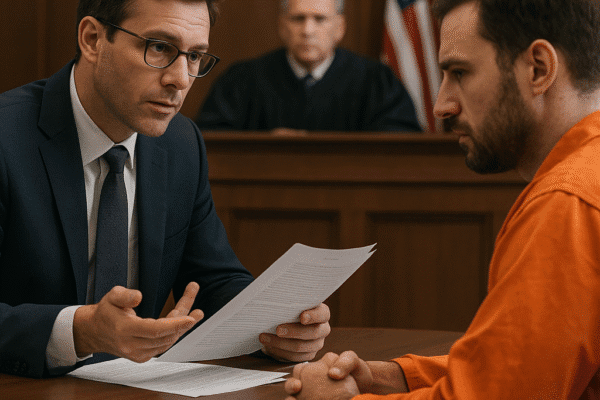
What Is the Difference Between Felony and Misdemeanor

The distinction between felony and misdemeanor lies at the heart of criminal law, shaping everything from arrest procedures to sentencing outcomes. For individuals facing charges, understanding these categories can be the difference between a lengthy prison term and a comparatively lenient sentence in local jail. In every jurisdiction, lawmakers assign labels to offenses that reflect…

Read More

What Are Aggravating Circumstances in Sentencing

Understanding the role of aggravating circumstances in criminal sentencing is essential for both prosecution and defense counsel. These circumstances can significantly alter the outcome of a case by increasing the severity of a penalty beyond the standard range. This article explores the legal framework, common categories, and practical implications associated with aggravating factors in sentencing,…

Read More

The Steps of the Criminal Justice Process

The criminal justice system is a multifaceted mechanism that ensures society’s safety by upholding the rule of law and protecting individual rights. At the heart of this system are dedicated criminal lawyers who navigate complex statutes, advocate for clients, and safeguard constitutional guarantees. Understanding each stage of the process—from investigation to appeal—reveals how attorneys play…

Read More

The Difference Between Federal and State Criminal Defense

Criminal defense practice unfolds differently depending on whether a case is prosecuted under federal or state law. Understanding these distinctions is essential for defendants, attorneys, and anyone navigating the complex criminal justice system. This article explores the key differences in jurisdiction, procedural rules, sentencing guidelines, and the strategic considerations in selecting the right defense counsel….

Read More