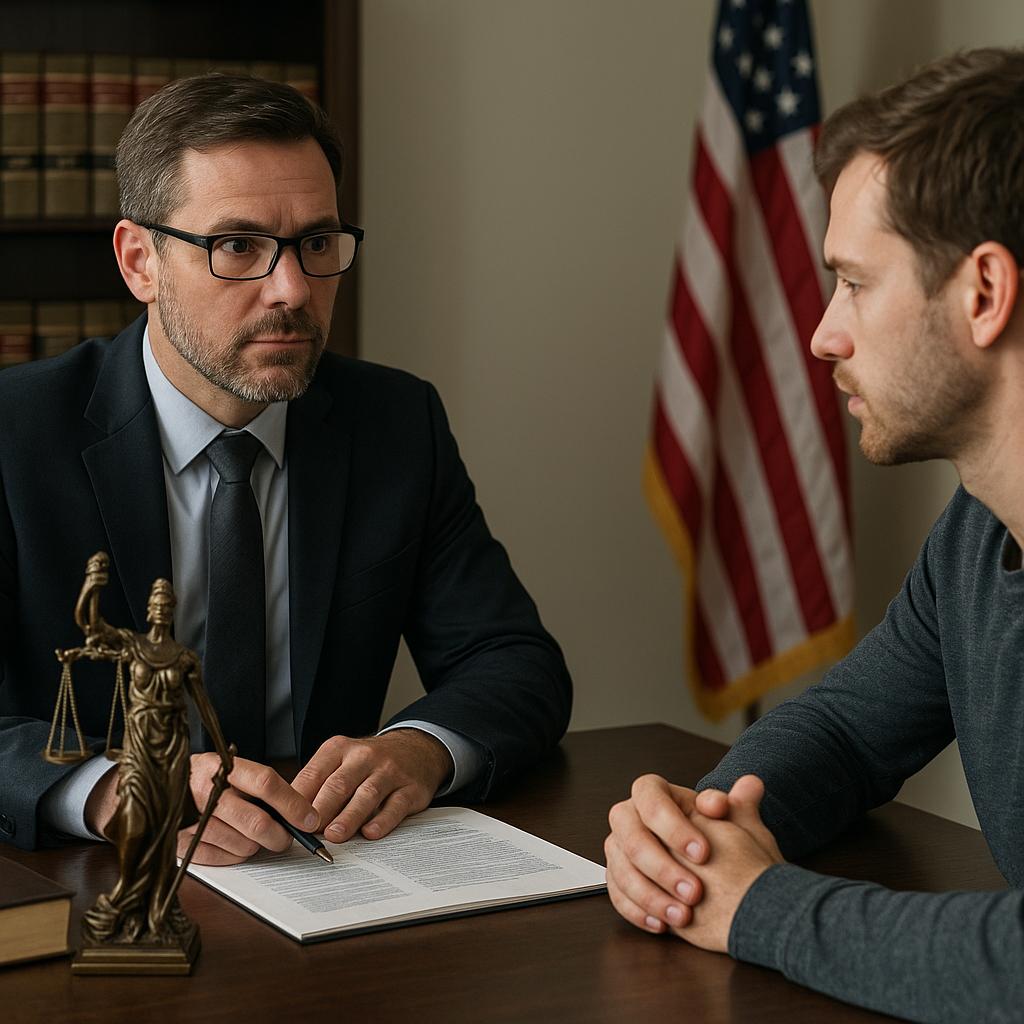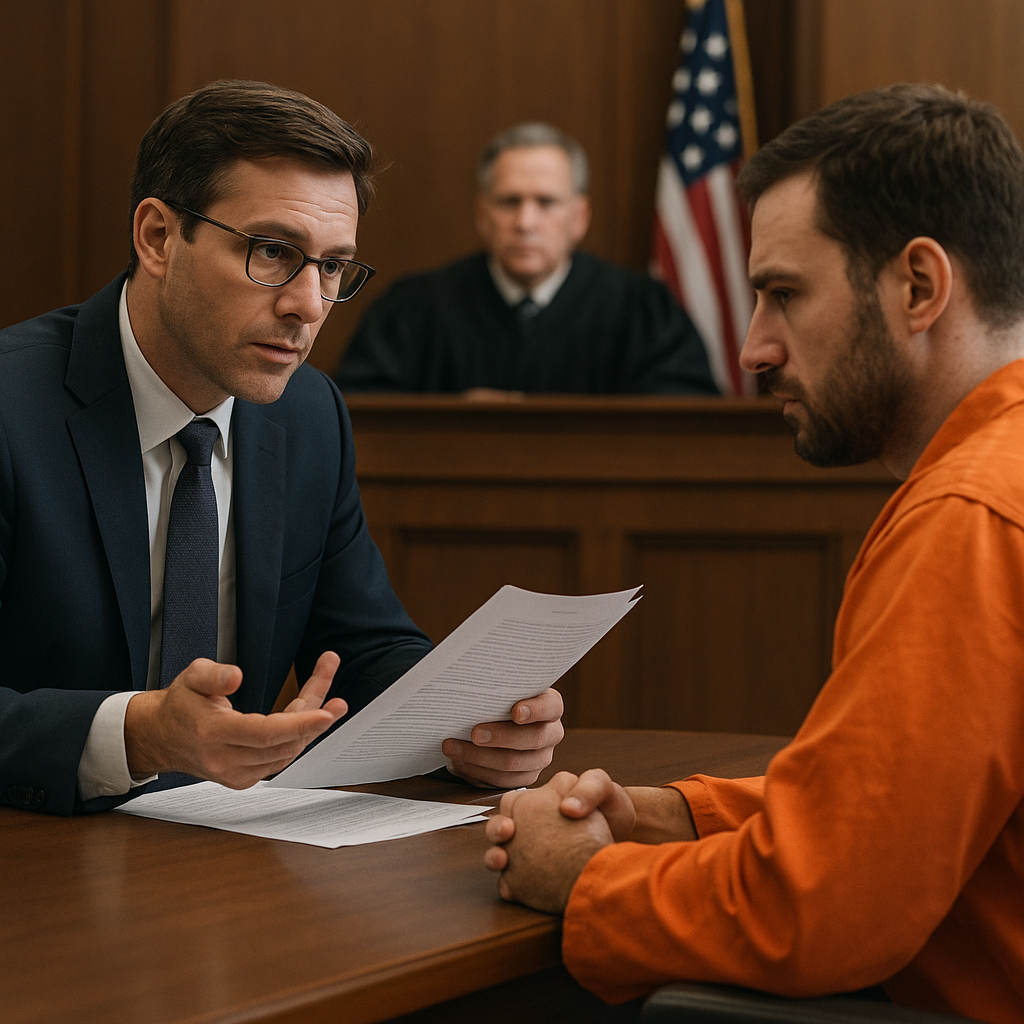
Criminal defense law presents a unique intersection of moral judgment and legal advocacy. Attorneys in this field navigate intricate dilemmas while safeguarding the rights of individuals accused of wrongdoing. An abiding commitment to justice and unwavering respect for the rule of law are indispensable for every practitioner. The following exploration delves into the ethical bedrock of defense practice, the tension between public scrutiny and client privilege, and the evolving demands on today’s advocates.
Foundations of Ethical Obligations
At its core, the practice of criminal defense relies on several foundational principles that shape professional conduct:
- Zealous advocacy: Lawyers must vigorously represent their clients within lawful bounds, even when faced with unpopular facts.
- Confidentiality: The attorney-client relationship is built on an unbreakable promise that private communications remain secure.
- Fairness: Defense counsel must not manipulate evidence or engage in tactics that undermine the integrity of judicial proceedings.
- Professional responsibility: Practitioners uphold codes of conduct issued by bar associations and legal authorities.
These tenets demand more than technical skill; they require a deep sense of moral accountability. A defense lawyer must straddle the line between advocating for a client and preserving the larger interests of society. This dual loyalty creates inherent tensions that call for careful reflection and principled decision-making.
Challenges in Representing the Accused
Not every case is straightforward. When defending someone accused of heinous crimes, attorneys confront profound ethical questions. How does one defend an individual charged with violent acts without appearing to condone the alleged behavior? The answer lies in reaffirming the role of defense counsel as a guardian of due process and the presumption of innocence.
Maintaining a client’s trust is vital. Suspicion can arise if the lawyer seems dispassionate or overly aggressive. Fostering mutual respect enables effective communication and honest disclosure. Yet an overfriendly approach risks compromising professional boundaries. Striking the right balance allows counsel to:
- Gather critical facts and evidence.
- Anticipate prosecution strategies.
- Guide clients through plea negotiations or trial preparation.
During tense exchanges in court or preparatory meetings, a lawyer’s demeanor reflects not only on individual reputation but also on public perception of the legal system. Upholding integrity ensures that every defendant receives fair treatment, regardless of the charges they face.
Balancing Confidentiality and Public Interest
One of the most challenging scenarios arises when a client’s disclosure could avert imminent harm to others. The duty of confidentiality is nearly absolute, yet exceptions exist to prevent serious crimes or violence. Attorneys grapple with questions such as:
- Under what circumstances must a lawyer breach confidentiality?
- How can counsel verify the threat without violating privilege?
- What protocols protect third parties while honoring ethical rules?
Legal frameworks often guide these decisions. However, nuances in local statutes and case law mean that defense lawyers must stay current on evolving standards. Providing comprehensive advice requires both legal acumen and sensitivity to broader societal implications.
Ethical Safeguards and Procedural Steps
- Consulting ethics committees when in doubt.
- Documenting consultations and rationale for any action taken.
- Employing written waivers or informed-consent agreements with clients.
By following structured protocols, attorneys minimize the risk of professional misconduct and protect the public interest without undermining the sanctity of lawyer–client communications.
Maintaining Professional Integrity in Complex Cases
Complex litigation often involves high media attention, political pressure, or community outrage. Under such scrutiny, defense counsel may feel compelled to make public statements or engage in aggressive commentary. Ethical rules generally restrict attorneys from making extrajudicial comments that could prejudice ongoing proceedings.
Key considerations include:
- Avoiding speculation about evidence or witness credibility.
- Respecting court-imposed gag orders or confidentiality agreements.
- Prioritizing client interests over personal publicity.
When a lawyer succumbs to the lure of headlines, they risk eroding public confidence in the system. Conversely, strict adherence to professional standards reinforces the perception that legal practice is guided by reason, not rhetoric.
Adapting to Technological Advances
Modern criminal defense demands fluency in digital forensics, data privacy and cybersecurity. Smartphones, social media posts and encrypted messaging can become pivotal evidence. Attorneys must understand technical processes to effectively challenge or authenticate such material.
Emerging issues include:
- The legality of government surveillance and warrantless searches.
- Chain-of-custody concerns for electronic data.
- Ethical use of investigative tools, such as forensic software or network analysis.
Staying current on technological trends is not optional. It is an ethical imperative to provide competent representation. Lawyers who fall behind risk failing their clients and compromising the broader pursuit of ethics in the digital age.
Navigating Cultural Diversity and Social Justice
Defense attorneys often serve clients from varied socioeconomic and cultural backgrounds. Cultural competence enhances communication and ensures that representation respects each individual’s context. Being aware of implicit biases and structural inequalities is crucial.
Strategies for inclusive practice:
- Engaging interpreters or cultural liaisons when language barriers arise.
- Recognizing the impact of systemic racism on arrest and conviction rates.
- Collaborating with social workers, mental health professionals and community advocates.
By championing fair treatment for marginalized populations, defense counsel further the cause of universal justice and uphold the profession’s commitment to equal protection under the law.
Conclusion
Criminal defense law is an arena where moral courage and legal skill converge. Attorneys must balance zealous representation with unwavering fidelity to professional norms. Whether confronting dilemmas of confidentiality, media pressure or technological disruption, defense counsel bear a profound responsibility. Through steadfast adherence to core values—fairness, integrity and respect for the rule of law—they safeguard the principles that define a just society.