The criminal justice system hinges on the accurate and reliable presentation of facts. When defense attorneys embark on representing individuals facing charges, the foundational element often revolves around meticulous evidence preservation. Proper handling of evidence not only ensures a fair trial but also protects the constitutional rights of the accused. This article examines key areas of concern, strategies employed by criminal lawyers, and the far-reaching consequences when evidence is mishandled.
Preserving Physical Evidence
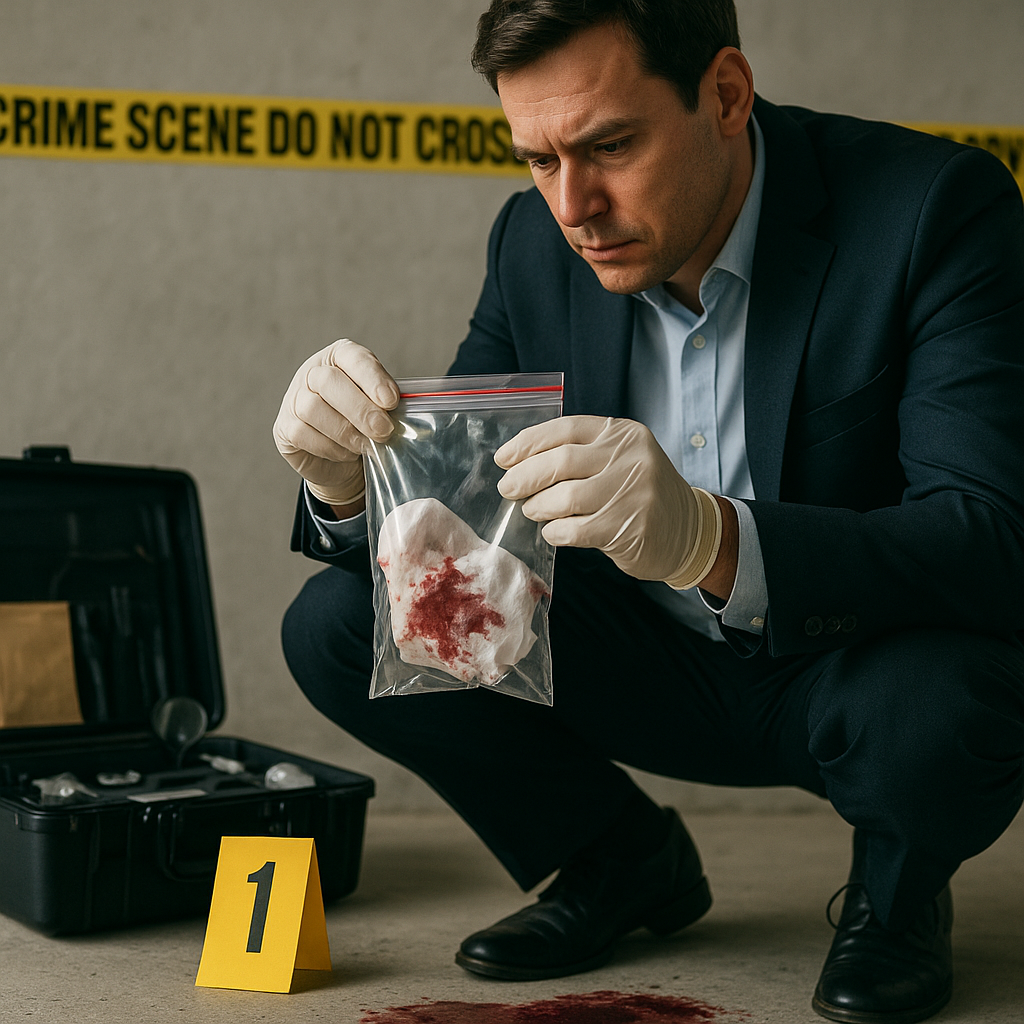
Physical evidence encompasses tangible items collected at the crime scene, such as weapons, clothing, fingerprints, or biological samples. Every link in the chain of custody must be documented to demonstrate authenticity and integrity. Defense counsel must scrutinize:
- Collection Procedures: Investigators must follow standardized protocols to avoid contamination or loss of critical material.
- Packaging Standards: Evidence should be sealed in tamper-evident containers and labeled with time, date, and collector’s signature.
- Storage Conditions: Temperature, humidity, and exposure to light can degrade items like DNA or latent prints, impacting later forensic analysis.
- Transfer Logs: Every transfer between agencies or personnel must be recorded to maintain a continuous chain that defense experts can audit.
Failure to maintain rigorous documentation often leads to challenges on admissibility grounds. Defense lawyers can file motions to exclude compromised items, arguing that the risk of error outweighs any probative value.
Digital Evidence and Chain of Custody
With the proliferation of technology, digital evidence has become paramount in many cases. Data from smartphones, computers, surveillance systems, and social media can prove or refute key allegations. However, digital forensic work demands precise protocols to preserve metadata and ensure authenticity:
- Imaging Drives: Creating a bit-by-bit duplicate prevents alteration of original files during analysis.
- Hash Verification: Using cryptographic hashes such as MD5 or SHA-256 confirms that no changes occur during transfers.
- Access Logs: Detailed records of who accessed, copied, or analyzed the data bolster the defense’s ability to challenge tampering claims.
- Chain Documentation: Every device and storage medium must be clearly tracked from seizure to courtroom presentation.
Defense counsel often retain independent forensic experts to conduct parallel examinations. These experts can identify discrepancies in government reports, highlight gaps in documentation, and validate or dispute the digital evidence presented by prosecutors.
Best Practices for Criminal Defense Lawyers
Criminal defense attorneys must develop robust strategies for safeguarding and challenging evidence. Key elements include:
- Early Investigation: Prompt action ensures that counsel can request preservation orders, preventing destruction or loss of data and materials.
- Preservation Letters: Formal correspondence to law enforcement and third parties demands retention of all relevant records, including communications, video feeds, and electronic logs.
- Independent Testing: Securing expert testimony for parallel analyses helps uncover flaws in government procedures and strengthens the legal strategy.
- Motion Practice: Filing motions to compel production, inspect evidence, or exclude tainted items ensures that procedural safeguards are upheld.
- Documentation Review: Careful examination of discovery materials can reveal inconsistencies that might point to mishandling or chain-of-custody breaches.
By integrating these practices into case preparation, defense teams protect clients’ interests and preserve every opportunity to challenge the prosecution’s narrative.
Legal Implications of Mishandled Evidence
When evidence preservation standards fall short, the consequences can be profound:
- Exclusionary Rulings: Courts may suppress critical items, severely undermining the prosecution’s case.
- Dismissal of Charges: In extreme scenarios, a judge might dismiss charges if the government’s conduct violates due process.
- Appeals and Reversals: Post-conviction relief can hinge on newly discovered or rehabilitated evidence, exposing agencies to liability for misconduct.
- Professional Sanctions: Attorneys and investigators who falsify or negligently handle evidence risk disciplinary action and damage to reputation.
- Public Confidence: High-profile cases of improper handling erode trust in the criminal justice system, fueling calls for reform.
Defense counsel must remain vigilant, scrutinizing every step of evidence collection and storage. Challenging the admissibility of tainted evidence not only serves a client’s immediate needs but also upholds broader principles of fairness and transparency.
Advanced Techniques in Evidence Preservation
The evolving landscape of criminal investigations demands that lawyers stay abreast of advanced preservation methods:
Body-Worn Cameras and Video Footage
Law enforcement agencies increasingly rely on body-worn cameras to document interactions. Defense attorneys should:
- Demand Early Copies: Video files can be lost or overwritten if not secured promptly.
- Analyze Metadata: Timestamps, device identifiers, and file integrity checks can reveal editing or tampering.
- Coordinate with Experts: Specialty consultants can decipher compressed formats and extract hidden frames.
Biological Sample Handling
DNA and other biological markers are powerful but fragile. Counsel must ensure:
- Proper Refrigeration: Samples degrade rapidly if exposed to heat or moisture.
- Validated Kits: Using approved collection tools reduces contamination risks.
- Chain Verification: Detailed logs that record each transfer bolster challenges to government testing failures.
Cloud and Network Data Preservation
In cases involving online communications, preserving data from cloud servers presents unique challenges:
- Subpoenas vs. Warrants: Choosing the correct legal device ensures access to relevant materials.
- Geolocation of Servers: Data stored overseas may require international cooperation and complicate timelines.
- Retention Policies: Service providers often delete records by default after set periods, making early preservation critical.
Collaborating with Expert Witnesses
Expert testimony can make or break a case when evidence preservation is disputed. Defense teams often partner with specialists in fields such as:
- Forensic Biology: Clarifies sample degradation and contamination issues.
- Digital Forensics: Examines hard drives, mobile devices, and network logs for authenticity.
- Fingerprints and Trace Analysis: Identifies procedural lapses in collection and comparison.
- Courtroom Demonstrations: Visual reconstructions can illustrate how mishandling may have occurred.
Experts bolster the defense narrative and lend credibility to challenges against the prosecution’s exhibits. Their detailed reports and courtroom presentations underscore systemic or procedural failures, emphasizing the importance of procedural safeguards.
Conclusion of Key Considerations
Effective advocacy in criminal defense demands unwavering attention to the chain of custody and evidence preservation protocols. From initial investigation to trial, attorneys must employ strategic measures, collaborate with qualified experts, and exploit legal mechanisms to ensure that every piece of evidence retains its integrity. Upholding these standards not only safeguards clients but also reinforces faith in the criminal justice system’s commitment to truth and fairness.