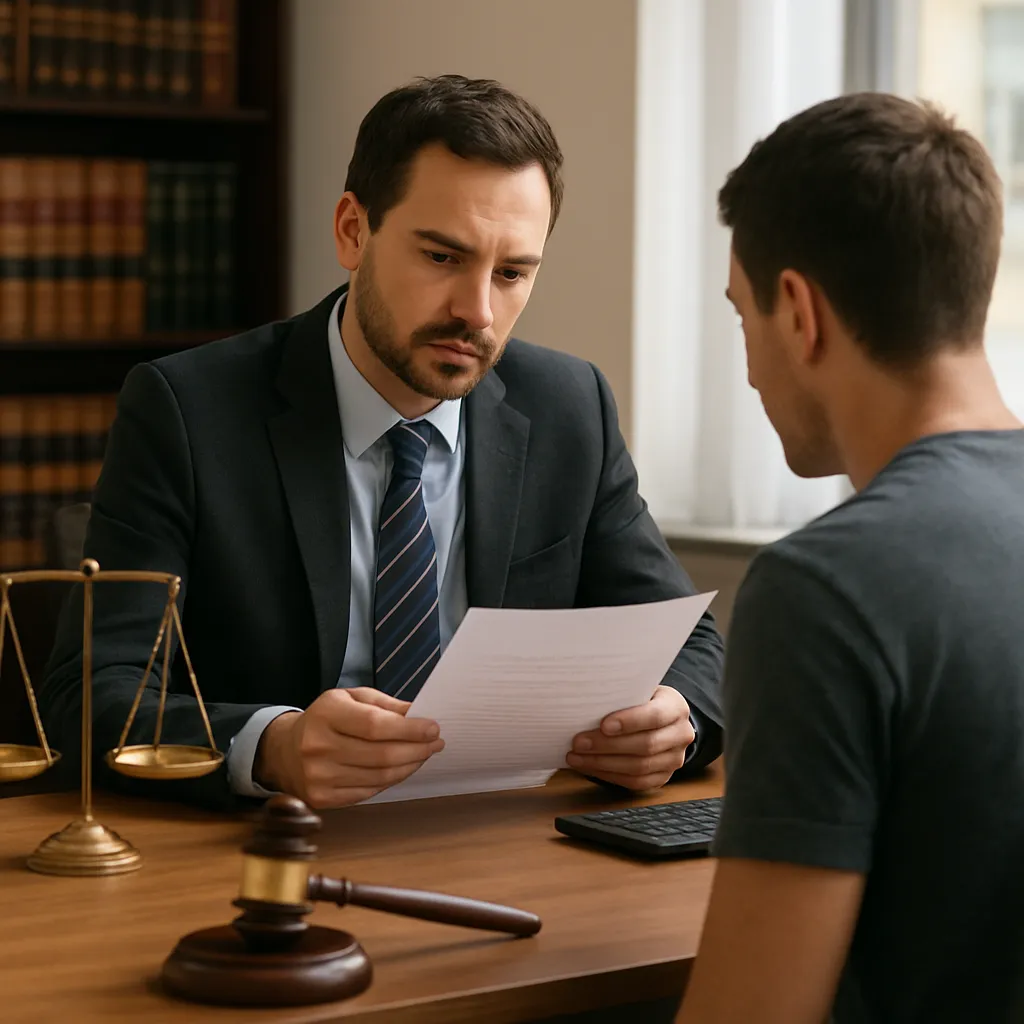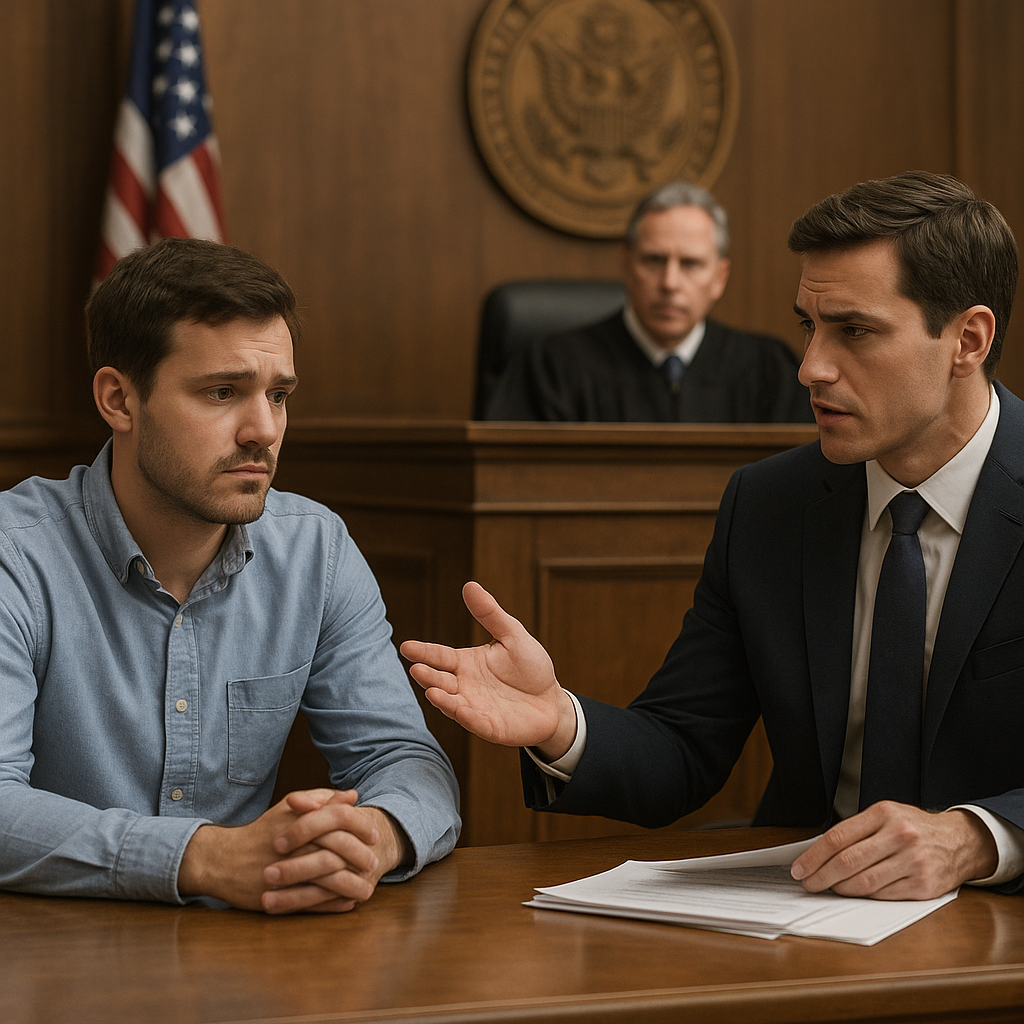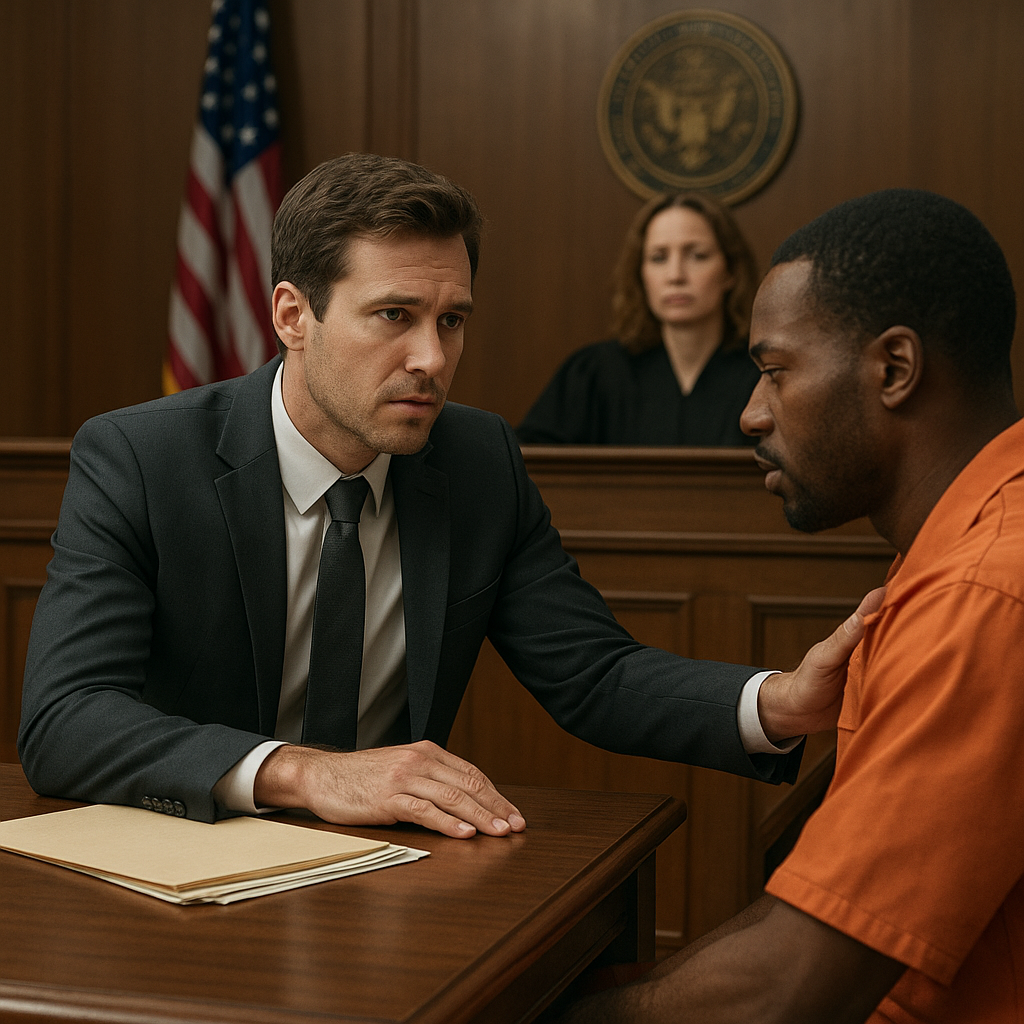
When an individual is accused of a crime, having competent legal representation can make a profound difference in the outcome of the case. Criminal defense attorneys serve as advocates, strategists, and navigators within a complex justice system. Their expertise extends from the earliest stages of investigation through trial, sentencing, and potential appeals. This article explores several critical aspects of criminal defense, delving into the multifaceted role of defense lawyers, the key stages of litigation, the art of negotiation, and considerations for selecting the right counsel.
The Role of Criminal Defense Lawyers
Criminal defense attorneys perform a variety of essential functions that safeguard an individual’s rights and pursue the best possible result under the circumstances. Their responsibilities include:
- Providing clear advice on constitutional protections, such as the right to counsel, the right against self-incrimination, and the right to a fair trial.
- Conducting thorough investigations to obtain physical and testimonial evidence.
- Developing a comprehensive defense strategy tailored to the facts and the client’s objectives.
- Negotiating with prosecutors to secure favorable plea offers or alternative sentencing options.
- Representing the client in hearings, motions, and trials to ensure that due process is respected at every stage.
An attorney’s ability to challenge unreliable testimony, file critical pre-trial motions, and introduce expert witnesses often proves decisive in achieving an acquittal or a reduced sentence. Beyond the courtroom, a skilled lawyer offers emotional support and guidance, helping clients and their families navigate the stress of criminal proceedings.
Key Stages of Criminal Litigation
The journey through the criminal justice system can be broken down into distinct phases, each requiring specialized knowledge and tactical decisions.
- Investigation and Arrest
- Law enforcement collects initial evidence, interviews witnesses, and may secure search warrants.
- Defense attorneys often begin work immediately, filing motions to suppress illegally obtained evidence or to challenge unlawful searches and seizures.
- Preliminary Hearings and Arraignment
- The prosecution presents probable cause, while the defense scrutinizes the state’s burden of proof.
- During arraignment, charges are formally read, bail is addressed, and the defendant enters a plea.
- Plea Bargaining
- Approximately 90% of criminal cases in many jurisdictions resolve through plea negotiations rather than trial.
- Attorneys pursue a plea bargain to reduce charges or obtain a more lenient sentence, balancing risk against certainty.
- Trial Preparation and Discovery
- Both sides exchange information via discovery, including police reports, witness statements, and forensic analyses.
- Defense counsel retains expert witnesses, reconstructs crime scenes, and formulates cross examination themes.
- Trial
- The prosecution bears the burden of proving guilt beyond a reasonable doubt.
- Defense lawyers use voir dire to shape the jury, introduce motions in limine to exclude prejudicial evidence, and deliver opening statements, cross examinations, and closing arguments.
- Sentencing and Appeal
- If convicted, attorneys advocate for mitigating factors—such as lack of prior record, mental health issues, or community service—to lessen penalties.
- Post-conviction relief may include appeals, habeas corpus petitions, or motions for a new trial based on newly discovered evidence or legal errors.
Strategies for Effective Defense
Effective defense hinges on a combination of legal expertise, thorough preparation, and creative problem-solving. The following tactics often prove instrumental:
- Early Intervention
- Engaging counsel at the investigation stage can prevent self-incriminating statements and halt overreaching by law enforcement.
- Witness Interviews and Expert Analysis
- Gathering affidavits and conducting independent interviews can challenge prosecutorial narratives.
- Experts in forensic biology, ballistics, or digital data analysis can refute or undermine state evidence.
- Motion Practice
- Filing suppression motions or motions to dismiss for insufficient evidence can remove key charges.
- Plea Negotiation Tactics
- Presenting mitigating evidence and demonstrating the weakness of the prosecution’s case can yield better plea terms.
- Jury Persuasion
- Jury consultants and narrative-based argumentation help convey the defendant’s story in a compelling manner.
- Sentencing Advocacy
- Presenting rehabilitation plans, character references, and alternative sentencing proposals supports reduced penalties.
Every case requires a customized approach, whether the goal is dismissal, mitigation, or outright acquittal. A defense lawyer’s skill in weaving factual, legal, and human elements often tips the scales of justice.
Choosing the Right Legal Representation
Selecting an attorney demands careful evaluation of credentials, experience, and personal rapport. Prospective clients should consider:
- Track record with similar charges—whether misdemeanors, felonies, or federal offenses.
- Specialized knowledge in areas such as white-collar crime, violent offenses, or drug-related charges.
- Peer recognition, bar association memberships, and trial certifications.
- Communication style and willingness to provide realistic assessments of outcomes.
- Fee arrangements, including flat rates versus hourly billing and contingency considerations for collateral relief.
Scheduling an initial consultation allows for frank discussions about legal advocacy strategies and client expectations. A confident, well-prepared lawyer instills trust and reassures clients that their interests are fiercely protected.
Conclusion
Criminal defense practice encompasses a labyrinth of procedural rules, evidentiary standards, and strategic options. From the initial investigation through potential appeals, the role of a qualified attorney is indispensable in upholding constitutional safeguards and pursuing fair outcomes. Whether negotiating a favorable plea bargain or challenging the prosecution at trial, the defense lawyer’s commitment to vigorous representation remains the cornerstone of the criminal justice system.