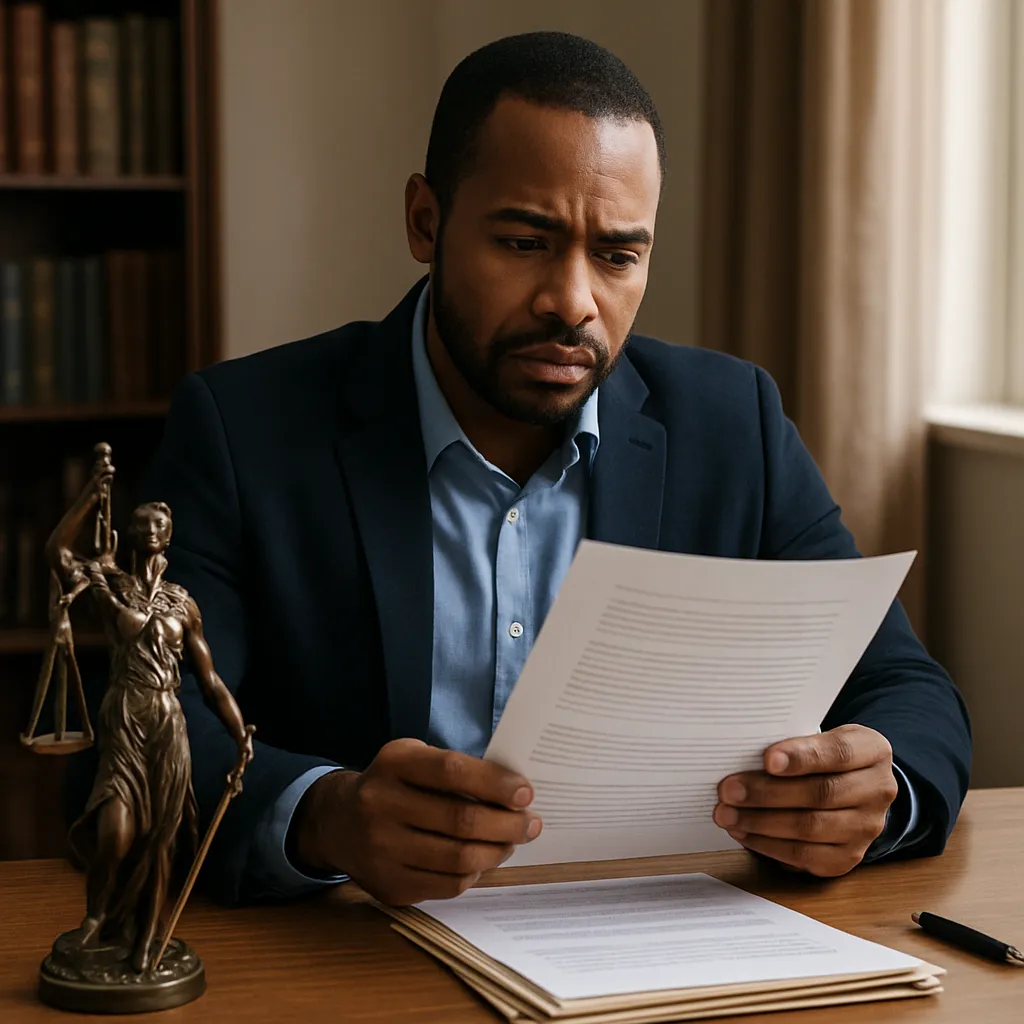
Criminal law often feels shrouded in mystery and misunderstanding. Many individuals rely on television dramas or word-of-mouth anecdotes to form their beliefs about how the justice system operates. In reality, myths about criminal procedure can have serious consequences for defendants, attorneys, and even victims. By dispelling these common misconceptions, we hope to foster a more **informed** public and empower those facing criminal charges to exercise their **rights** effectively.
The Myth of Innocent Until Proven Guilty Means Immediate Freedom
One of the most pervasive misconceptions is that the phrase “innocent until proven guilty” guarantees that no one will be held in custody before trial. While this principle is foundational to the **legal** system, its practical application can differ significantly:
- Bail and Pretrial Detention: Even when presumed innocent, defendants may face pretrial detention if deemed a flight risk or if they can’t afford bail. The decision balances public safety, likelihood of court appearance, and the nature of the alleged offense.
- Risk Assessment Tools: Many jurisdictions use algorithmic assessments to evaluate a defendant’s risk level. Critics argue these tools can introduce bias, affecting who remains behind bars before trial.
- Financial Disparities: Wealthy individuals often secure release by posting bail, while indigent defendants remain incarcerated. This reality underscores the importance of robust **defense** representation at bail hearings.
Understanding that the presumption of innocence does not always translate into immediate freedom can help defendants and their families prepare financially and legally for possible detention.
The Misconception That You Must Talk to Police
Another widespread myth holds that cooperating with law enforcement always helps clear your name. In fact, speaking without an attorney present can undermine your case:
- Miranda Rights: Police must inform suspects of their right to remain silent and to have an attorney present. However, not all individuals recognize when these warnings apply or may feel intimidated into speaking.
- Self-Incrimination Risks: Innocent people can inadvertently say things that sound incriminating. Every statement can be used in cross-examination or to shape the **prosecution**’s narrative.
- Strategic Silence: Exercising the right to remain silent does not imply guilt and can prevent the inadvertent disclosure of sensitive facts.
Consulting a criminal law **attorney** before engaging with investigators ensures that your statements do not compromise your defense strategy.
The Belief That Public Defenders Are Incompetent
Despite popular belief, public defenders are highly skilled **trial** lawyers dedicated to defending the indigent. The myth of incompetence arises from systemic challenges, not individual capability:
- Heavy Caseloads: Public defender offices often handle hundreds of cases per attorney, limiting time for in-depth investigation and preparation.
- Underfunding: Limited resources hinder access to expert witnesses, forensic testing, and comprehensive discovery review.
- Passion and Expertise: Many public defenders specialize in criminal law and bring years of courtroom experience. They understand local judges, prosecutors, and jurors, which can be a significant advantage.
Recognizing these structural issues highlights the importance of adequate funding for public defense systems and respect for the dedication of **defense** counsel.
The Notion That Plea Bargains Are an Admission of Guilt
Plea bargaining is often depicted as a confession, yet it serves as a pragmatic tool to resolve cases efficiently and manage court dockets:
- Efficiency: Over 90% of criminal cases end in plea agreements, alleviating the burden on crowded court calendars and reducing costs.
- Strategic Decision: Defendants may accept a plea to avoid the uncertainty of **sentencing** at trial. A negotiated plea can secure a lesser charge or lighter penalty.
- Not Automatic Admission: Entering a plea does imply acceptance of the facts alleged, but it does not always reflect the full story. Some defendants plead to escape harsher potential outcomes despite maintaining factual innocence.
A skilled **attorney** will thoroughly evaluate each plea offer, weighing risks, potential sentences, and broader personal consequences.
The Fallacy of Trials Always Going to Jury
Many believe that every criminal case culminates in a jury trial. In reality, bench trials and alternative dispute resolutions also play vital roles:
- Bench Trials: Defendants may opt for a judge-alone trial to avoid jury biases or complex technical evidence that judges can better analyze.
- Specialty Courts: Drug courts, mental health courts, and domestic violence courts offer tailored **prosecution** and **defense** approaches, focusing on rehabilitation over punishment.
- Alternative Dispute Resolution: Pretrial diversion programs and restorative justice initiatives provide options outside the traditional adversarial process.
Understanding these avenues enables defendants to collaborate with counsel on the best path forward, whether through trial by jury, bench trial, or specialized treatment court.