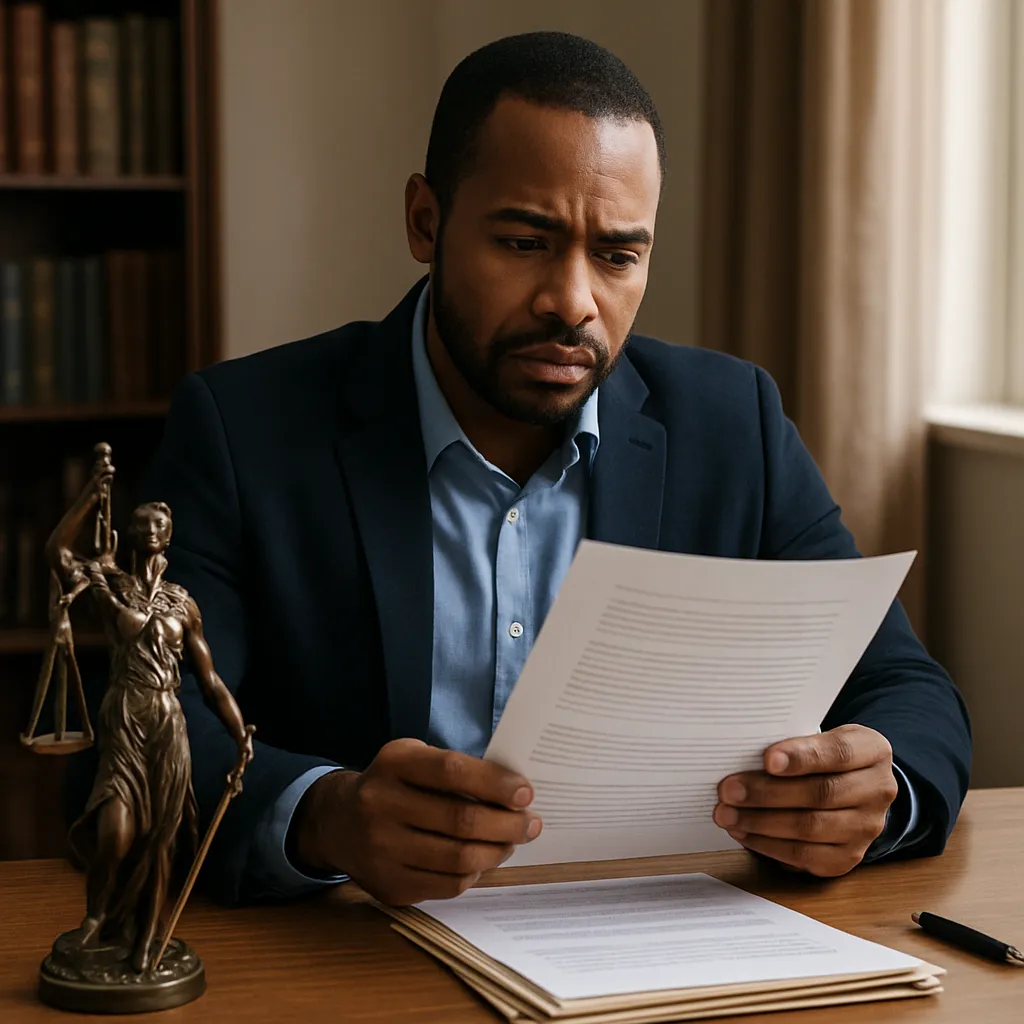
Character witnesses play a pivotal role in shaping the perception of a defendant’s credibility and moral standing within a criminal trial. Their testimony offers jurors a window into the defendant’s everyday behavior, reputation in the community, and established patterns of conduct. While direct evidence focuses on the facts of the alleged crime, character evidence provides context, allowing legal counsel to argue for reasons of mitigation, establishing that the defendant’s true nature runs counter to the allegations. Effective use of character witnesses requires strategic selection, careful preparation, and a thorough understanding of relevant rules of admissibility.
Purpose and Importance of Character Witnesses
In criminal proceedings, the prosecution aims to prove guilt beyond a reasonable doubt. Defense teams often counter by introducing strong character evidence that suggests a defendant’s propensity for certain behaviors—or lack thereof. This approach can serve two primary functions:
- Rehabilitative Interpretation: Evidence that the defendant has a history of honesty, law-abiding conduct, and community service helps rehabilitate the jurors’ view.
- Corroboration of Defense Theory: Character witnesses can reinforce theories of innocence, presenting a narrative that the defendant’s character is inconsistent with criminal activity.
Nature of Character Evidence
Character evidence comes in three forms:
- Reputation: Testimony about what community members typically say regarding the defendant’s character.
- Opinion: Witnesses express a personal opinion about the defendant’s traits, such as honesty or peacefulness.
- Specific Acts: Limited instances of behavior that illustrate a trait (subject to stricter scrutiny).
Federal Rule of Evidence 404 and its state equivalents restrict certain types of character evidence to prevent unfair prejudice. Defense attorneys must navigate these rules carefully to secure admissibility without opening the door for damaging counter-evidence.
Selecting and Preparing Character Witnesses
Not every friend, family member, or co-worker makes an effective character witness. Reliability and perceived impartiality are essential. An ideal witness possesses long-term familiarity with the defendant, consistent reputation for truthfulness, and the ability to withstand rigorous cross-examination.
Criteria for a Strong Witness
- Demonstrated history of close association with the defendant, such as colleagues or long-term neighbors.
- Unblemished credibility, no criminal convictions or history of dishonesty.
- Ability to communicate clearly, calmly, and persuasively before a jury.
Preparation Strategies
Defense attorneys should invest significant time ensuring that character witnesses:
- Understand courtroom procedures, including direct and cross-examination phases.
- Stay within prescribed testimony limits, avoiding speculative or hearsay statements.
- Practice responses to potential challenges, such as inquiries about improbable recollections or biases.
Mock cross-examinations can reveal weaknesses in a witness’s recollection or style. Attorneys may employ video-recorded practice sessions to refine tone, pacing, and body language. This coaching builds witness confidence and improves the overall persuasiveness of the testimony.
Courtroom Strategies for Character Testimony
When introducing a character witness, defense counsel must consider timing, scope, and the judge’s pre-trial rulings. Jury instructions also play a critical role in clarifying how jurors should weigh such evidence.
Direct Examination Techniques
- Open with background questions to establish the witness’s relationship to the defendant.
- Progress logically from general reputation inquiries to specific traits, such as honesty or peacefulness.
- Use concise, targeted questions to elicit testimonial statements without inviting objections.
For example, an attorney might ask: “Can you describe Mr. Davis’s reputation for honesty in your community over the past ten years?” Such questions are less susceptible to hearsay objections when phrased correctly.
Handling Objections and Admissibility Issues
Prosecutors often object to character evidence on grounds of relevancy, prejudice, or hearsay. Defense counsel must be prepared to argue under applicable rules, demonstrating that:
- The witness’s testimony falls within an allowed category of character evidence.
- The probative value outweighs any potential for unfair prejudice.
- Any hearsay statements reflect widespread community belief and are not isolated rumors.
Securing pre-trial rulings on these matters can prevent untimely interruptions during the trial and allow counsel to adjust strategy proactively.
Ethical and Legal Considerations
While character witnesses can be powerful, misuse can backfire. Attorneys must adhere to ethical standards and avoid misrepresentation of facts or manipulation of witness statements.
Conflict of Interest and Witness Bias
Potential conflicts include family relationships, financial incentives, or personal stakes in the outcome. Counsel should disclose any significant connections that might undermine the witness’s perceived impartiality and prepare to address bias head-on.
Avoiding Overreliance
Relying solely on character testimony without strong factual defense may weaken the overall case. Integrating character evidence with forensic data, alibis, or alternative explanations for the alleged conduct strengthens the defense’s narrative coherence.
Challenges and Future Trends
The evolving landscape of criminal procedure, including expanded use of pretrial motions in limine and changes to evidence rules, continues to shape how character witnesses are deployed. Technology-assisted courtroom presentations, such as video depositions or live-streamed testimony, also present both opportunities and challenges for effective character witness integration.
Attorneys must stay abreast of statutory updates and emerging case law to maximize the strategic value of character evidence. Proactive training programs and collaborative discussions among defense counsel ensure best practices while safeguarding a defendant’s right to a fair trial.