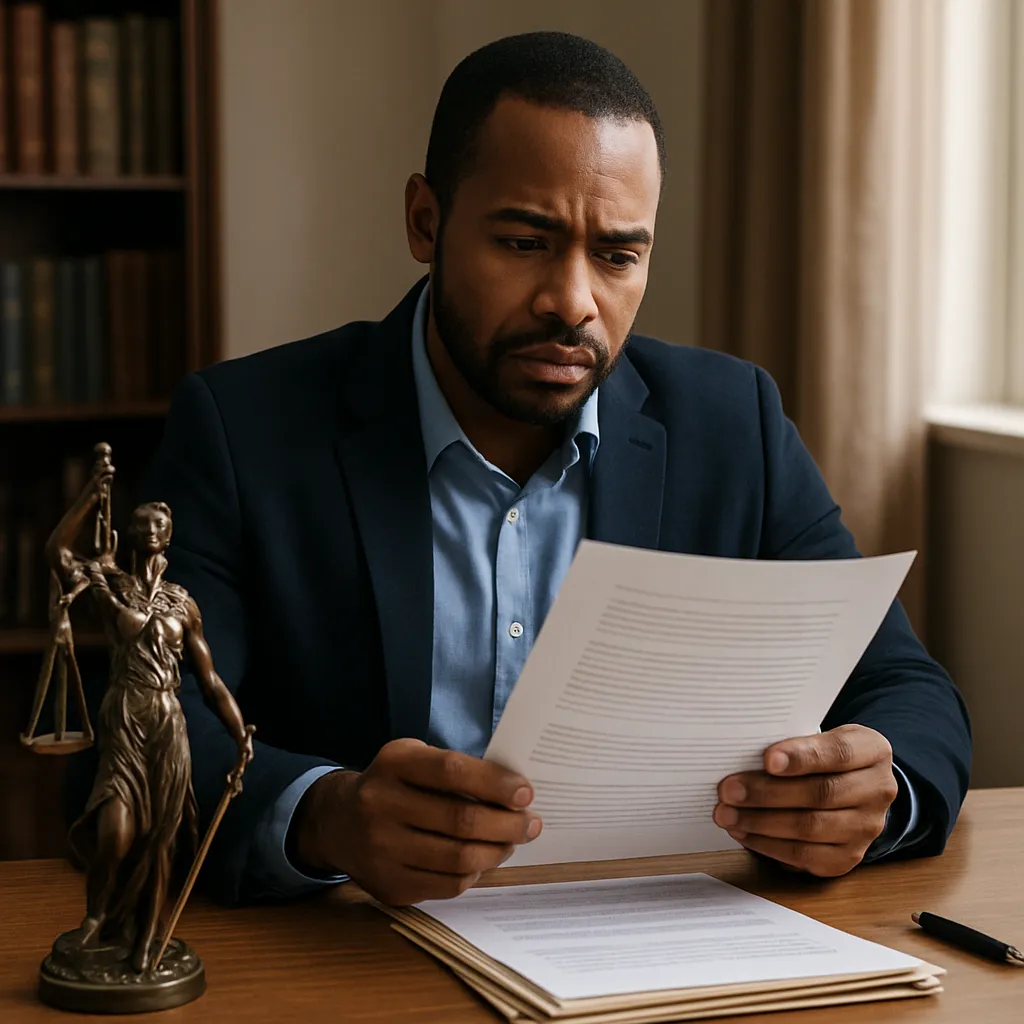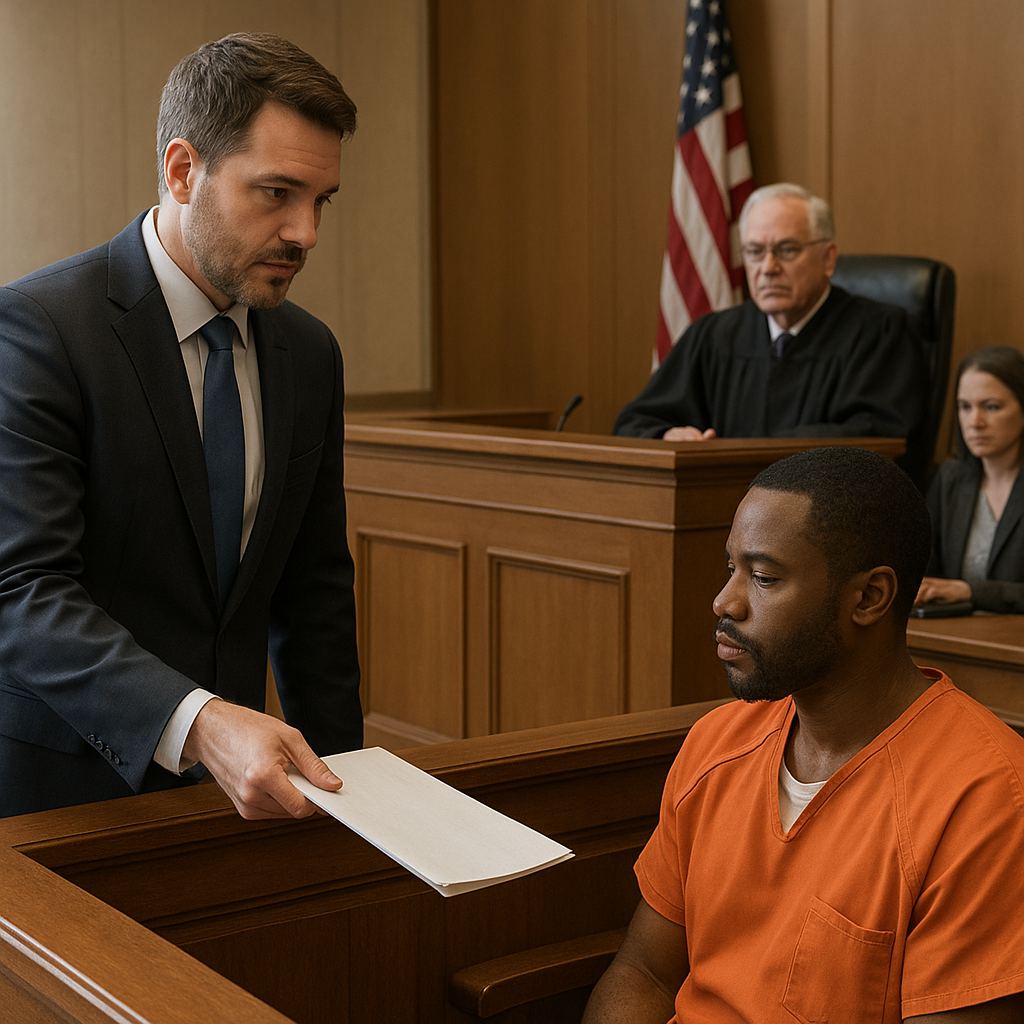
The phenomenon of wrongful convictions presents a profound challenge to criminal justice systems worldwide. Defense attorneys serve as crucial guardians of the accused, wielding their skills to challenge flawed procedures, uncover hidden facts, and ensure that every individual benefits from the presumption of innocence. Their role transcends mere courtroom advocacy; it encompasses thorough investigation, strategic collaboration with experts, and unwavering commitment to ethical practice. This article explores how defense lawyers navigate complex terrain to prevent and correct miscarriages of justice.
Guardians of Presumption: Upholding the Right to Fair Trial
At the heart of every criminal proceeding lies the foundational principle that an accused person is innocent until proven guilty. Defense attorneys champion this fundamental tenet, turning it into a practical shield against governmental power. By demanding rigorous adherence to procedural safeguards—such as ensuring lawful searches, fair jury selection, and proper disclosure—they reinforce the integrity of the entire system.
Ensuring Procedural Integrity
- Challenging unlawful arrests and detention under the Fourth Amendment or equivalent statutory provisions
- Scrutinizing police interrogations to prevent coerced or misleading statements
- Monitoring law enforcement’s handling of evidence to avoid contamination or loss
Without vigilant defense counsel, errors at these early stages can cascade into wrongful convictions. A single failure—be it a missed objection to tainted evidence or an uninformed waiver of rights—can tip the scales against a defendant, even in the absence of true guilt.
Strategies in Uncovering the Truth
Beyond procedural advocacy, defense attorneys engage in deep factual investigation, collaborating with a network of experts to piece together an accurate narrative. Their investigative arsenal often includes:
- Forensic consultants who reexamine DNA samples, ballistics, or fingerprint evidence
- Digital analysts capable of retrieving deleted data from electronic devices
- Eyewitness reliability specialists to assess human memory and perception
Utilizing Scientific Expertise
Science has revolutionized defense strategies in recent decades. Attorneys partner with laboratories to perform advanced testing that was unavailable at trial, sometimes revealing exculpatory results. For instance, reanalysis of biological material may exclude a defendant’s DNA, while modern fingerprint algorithms can demonstrate that prints once attributed to the accused were misidentified.
Reconstructing Case Theory
A strong defense frames a coherent alternative explanation of events. Lawyers meticulously interview witnesses, review surveillance footage, and analyze timelines to propose scenarios that square with known facts. Effective case theory challenges the prosecution’s narrative and highlights inconsistencies, thus fostering reasonable doubt among jurors or judges.
Battling Systemic Challenges
Wrongful convictions often arise from systemic issues: overburdened public defenders, prosecutorial misconduct, or inadequate funding for defense resources. Attorneys must navigate these obstacles while maintaining zealous advocacy.
Addressing Resource Disparities
Public defense offices frequently face heavy caseloads and limited budgets. Despite these constraints, dedicated lawyers seek creative solutions—such as forming pro bono partnerships with law firms or non-profit litigation organizations—to secure expert assistance and uncover crucial evidence that might otherwise remain hidden.
Combating Bias and Misconduct
Implicit bias, tunnel vision, and intentional misconduct can taint every stage of criminal proceedings. Defense counsel plays a pivotal role in:
- Filing motions to expose prosecutorial errors or suppression of evidence
- Questioning law enforcement credibility through cross-examination
- Pursuing post-conviction remedies when new proof emerges or constitutional rights were violated
Attorneys also illuminate systemic flaws by participating in innocence projects and legal reform initiatives, advocating for policies that minimize the risk of convicting the innocent.
Ethical Foundations and Professional Responsibility
A defense lawyer’s commitment to justice is anchored in a strict code of ethics. They must balance vigorous representation with honest candor toward courts. Essential ethical duties include:
- Maintaining client confidentiality to foster open communication
- Avoiding conflicts of interest that could compromise loyalty
- Withdrawing from representation if continuing would breach professional standards
Adherence to these principles not only protects individual clients but also reinforces public confidence in the legal system’s fairness.
Post-Conviction Advocacy: Seeking Redress
When wrongful convictions occur despite the best efforts at trial, defense attorneys embark on a new phase: post-conviction relief. This process demands persistence and resourcefulness.
Filing Motions and Petitions
Attorneys may pursue various avenues:
- Habeas corpus petitions to challenge the legality of detention
- Requests for DNA testing under statutory schemes
- Claims of newly discovered evidence or ineffective assistance of counsel
Securing appellate or post-conviction review often hinges on uncovering proof that was overlooked or suppressed at trial. Defense lawyers must meticulously assemble factual records and leverage expert affidavits to convince courts that injustice demands corrective action.
Collaborative Efforts with Advocacy Groups
Non-profit innocence projects and legal clinics frequently join forces with defense teams to provide additional investigative support. Their combined efforts have led to exonerations and monetary compensation for exonerees, emphasizing the importance of collaboration in remedying past mistakes.
The Human Impact: Restoring Lives and Accountability
Behind every wrongful conviction stands a human story of lost years, fractured families, and diminished opportunities. Defense attorneys not only secure legal vindication but also advocate for compensation, expungement of records, and reintegration services for exonerees. By shining light on prosecutorial failings and systemic deficiencies, they drive reforms aimed at preventing future injustices. Their work underscores the profound societal value of zealous defense: safeguarding the innocent and upholding the rule of law with unwavering integrity.