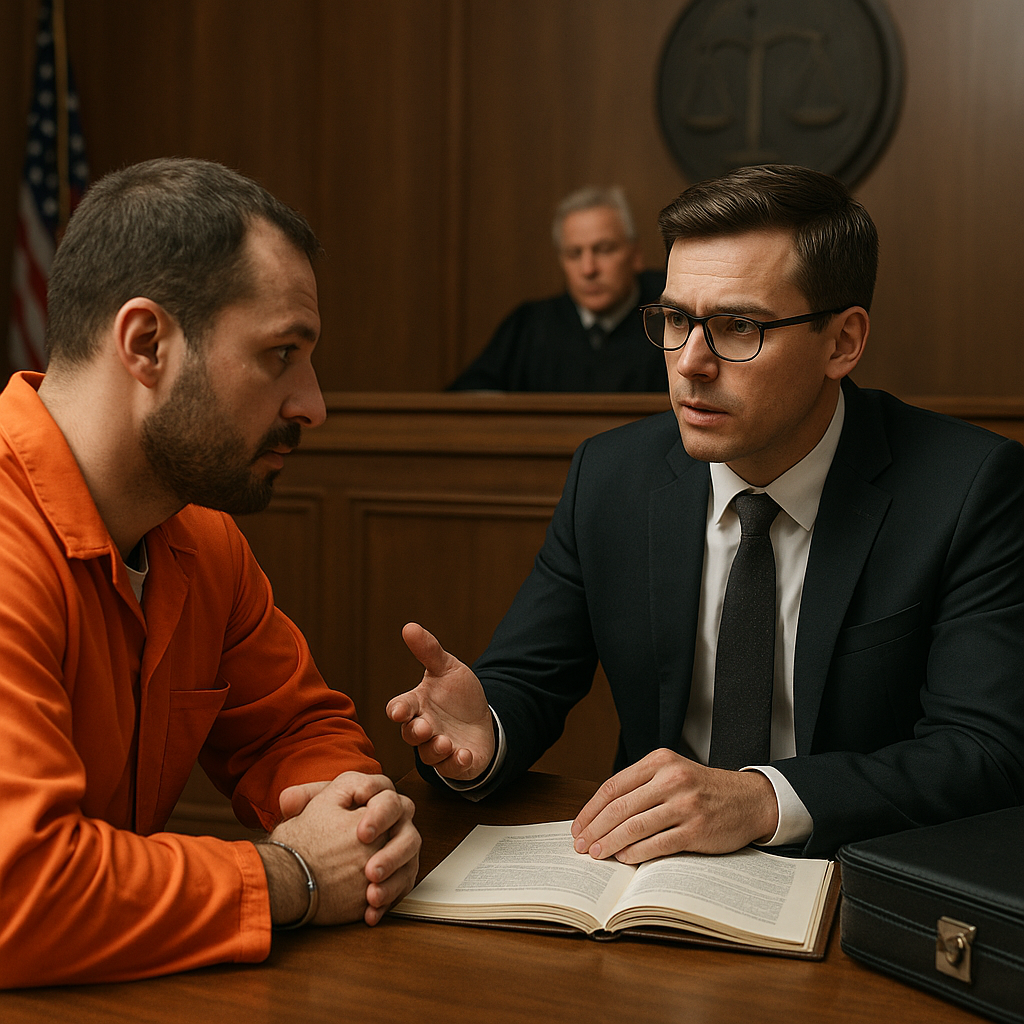
Criminal defense lawyers dedicate their careers to safeguarding clients’ liberties and ensuring the legal system operates with fairness. Drawing upon a spectrum of methods—from negotiating with prosecutors to challenging the admissibility of evidence—defense attorneys craft strategies that can turn the tide of complex criminal cases.
The Foundations of Criminal Defense
At the heart of any effective defense lies a deep understanding of procedural rules, case law, and statutory interpretations. An attorney must be adept at identifying weaknesses in the prosecution’s case and leveraging any available avenues to protect the accused.
Early Case Assessment
One of the initial steps in building a strong defense is an exhaustive review of police reports, witness statements, and forensic data. This assessment allows the defense team to pinpoint potential constitutional violations—such as unlawful searches or violations of constitutional rights—that can lead to suppression of crucial evidence.
Preserving and Challenging Evidence
Defense lawyers often attack the prosecution’s evidence on multiple fronts:
- Challenging chain of custody to show mishandling of physical items.
- Questioning forensic methodologies to reveal gaps or errors in analysis.
- Asserting violations of Fourth Amendment protections to exclude evidence obtained via illegal search and seizure.
When successful, these tactics can significantly weaken the government’s presentation and shift the momentum toward acquittal or favorable plea negotiations.
Key Approaches in Criminal Defense
Every case presents unique facts, but several core defense strategies recur across practice areas. Selecting the optimal approach depends on factors such as available evidence, witness reliability, and the client’s desired outcome.
1. Alibi Defense
By establishing that the defendant was elsewhere when the crime occurred, the alibi defense aims to create reasonable doubt. Attorneys gather timestamps, surveillance footage, and credible witness testimony to substantiate the claim, forcing the prosecution to overcome a high evidentiary bar.
2. Self-Defense and Defense of Others
An individual facing assault or homicide charges may invoke self-defense if they can prove they reasonably perceived an imminent threat. Critical elements include proportionality of force used and absence of provocation by the defendant. Skilled lawyers dissect every detail—verbal exchanges, injuries, location—to demonstrate justification under the law.
3. Insanity and Mental Disease
Invoking the insanity defense requires showing that, due to a diagnosable mental disorder, the defendant lacked capacity to appreciate the wrongfulness of their actions. This high-stakes strategy demands collaboration with forensic psychiatrists, detailed psychological evaluations, and robust examination of medical history.
4. Lack of Intent and Negligence
Criminal liability often hinges on the mental state at the time of the offense. The defense may argue that the accused acted without criminal intent or merely through negligence, which is typically punishable by lesser charges. Demonstrating an absence of premeditation can convert felony counts into misdemeanors or reduce sentencing exposure.
5. Entrapment
When law enforcement induces someone to commit a crime they otherwise would not have committed, the entrapment defense becomes available. Attorneys scrutinize undercover operations for potential overreach or coercion beyond legitimate investigative tactics.
Advanced Tactics and Considerations
Beyond these standard defenses, creative and technical measures can provide additional leverage in complex litigation. Seasoned criminal lawyers continuously refine their toolkit to address novel challenges in modern criminal practice.
Plea Bargaining and Sentencing Mitigation
Although trials attract attention, the majority of criminal cases resolve through plea bargaining. Defense counsel negotiate with prosecutors to obtain reduced charges or sentencing recommendations. Simultaneously, they prepare comprehensive mitigation packages—highlighting factors such as family responsibilities, employment history, and personal hardships—to persuade judges to impose minimal penalties.
Expert Testimony and Scientific Evidence
Collaborating with reputable experts in fields like DNA analysis, ballistics, or digital forensics can be decisive. The defense’s expert testimony challenges the prosecution’s scientific claims, explains complex concepts to jurors, and introduces alternative interpretations of data.
Addressing Police Misconduct
Allegations of police misconduct—ranging from coerced confessions to excessive force—can dramatically alter case dynamics. Attorneys file suppression motions, request internal affairs records, and depose officers to reveal procedural deviations that violate defendants’ rights.
Strategic Use of Voir Dire
Courtroom trial success often begins with voir dire, the jury selection process. Defense teams craft tailored questions to uncover biases related to law enforcement, criminality, or certain demographics. Striking jurors with prejudiced views maximizes the chance of assembling an impartial panel.
Innovations in Technology
Defense lawyering now incorporates cutting-edge tools such as:
- Data analytics to profile witness credibility and juror tendencies.
- Virtual crime-scene reconstructions to demonstrate alternative possibilities.
- Secure communication platforms to coordinate evidence with clients and experts confidentially.
Navigating Ethical and Professional Challenges
Criminal defense practice is anchored by strict ethical standards. Lawyers must balance zealous advocacy with their duty to the court and public interest.
Confidentiality and Privilege
Maintaining client confidentiality is paramount. Whether discussing case strategy or receiving incriminating disclosures, attorneys must safeguard privileged communications against inadvertent waiver or external threats.
Conflicts of Interest
Before accepting a new case, defense firms undertake comprehensive conflict checks. Representing multiple parties with divergent interests can compromise zealous representation and breach professional rules.
Maintaining Independence
Defense advocates must resist external pressures—from media scrutiny to political influences—that could undermine objective judgment. Upholding the right to a robust defense is central to the adversarial system.
Conclusion
Criminal defense strategies encompass an array of procedural, substantive, and tactical considerations. From basic motions to complex mental health defenses, attorneys work tirelessly to protect their clients’ rights. Mastery of these methods ensures that justice is served, whether through trial, negotiation, or innovative legal solutions.