Facing an encounter with law enforcement can be a daunting experience, especially when your fundamental rights are at stake. Understanding what happens when the police violate those rights is essential for anyone navigating the criminal justice system. This article delves into the constitutional safeguards, potential consequences of violations, available remedies, and the critical role that criminal lawyers play in protecting individuals from unlawful police conduct.
Understanding Your Constitutional Protections
The United States Constitution provides several layers of defense against improper police actions. Recognizing these protections helps citizens identify violations and seek appropriate redress.
Fourth Amendment: Unreasonable Searches and Seizures
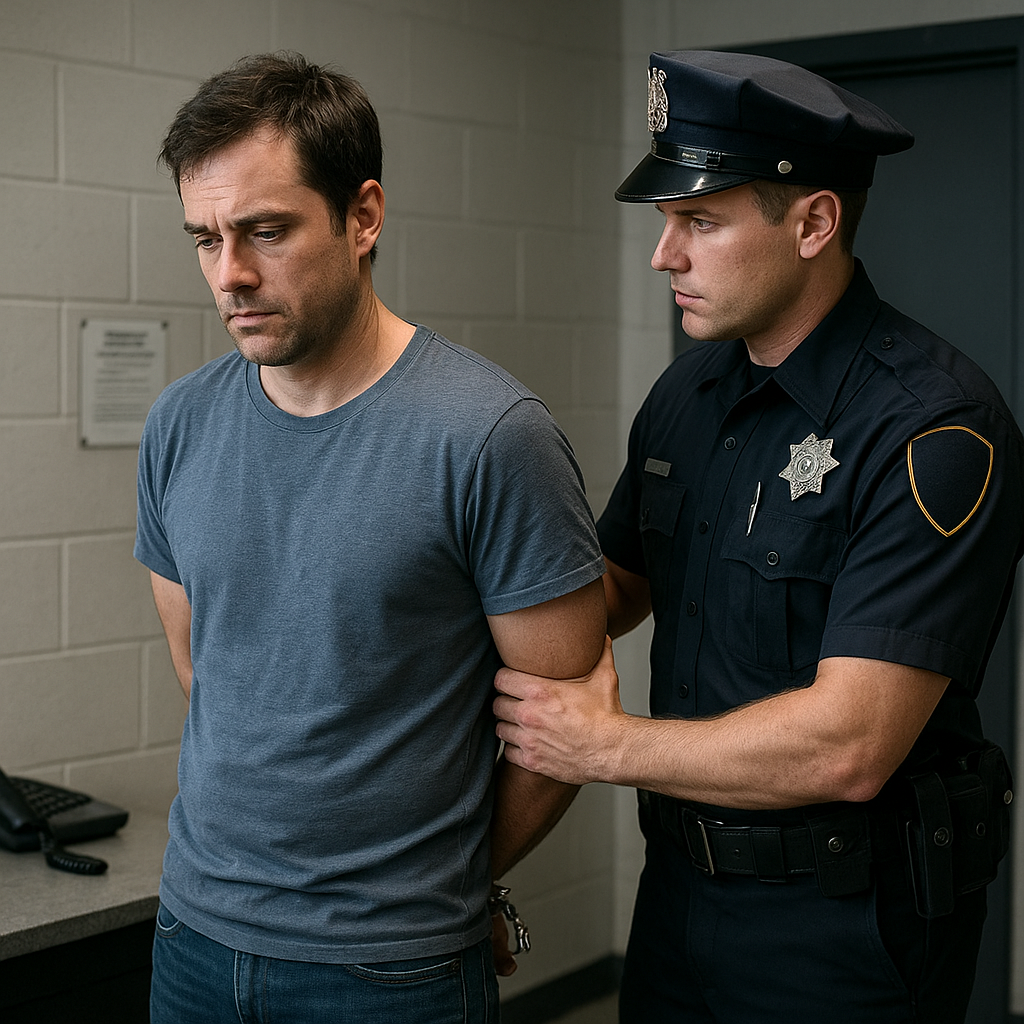
The Fourth Amendment guards against unreasonable searches and seizures. Police generally must obtain a warrant based on probable cause before entering a home, office, or vehicle. Exceptions include exigent circumstances, consent, and plain view discoveries. When officers bypass these requirements, any evidence gathered may be suppressed in court.
Fifth Amendment: Self-Incrimination and Due Process
The Fifth Amendment ensures individuals cannot be compelled to testify against themselves, requiring law enforcement to respect the right to remain silent. Officers must inform suspects of this right through Miranda warnings before custodial interrogation. Failure to do so renders statements inadmissible. Additionally, the amendment demands that no person be deprived of life, liberty, or property without due process of law.
Sixth Amendment: Right to Counsel
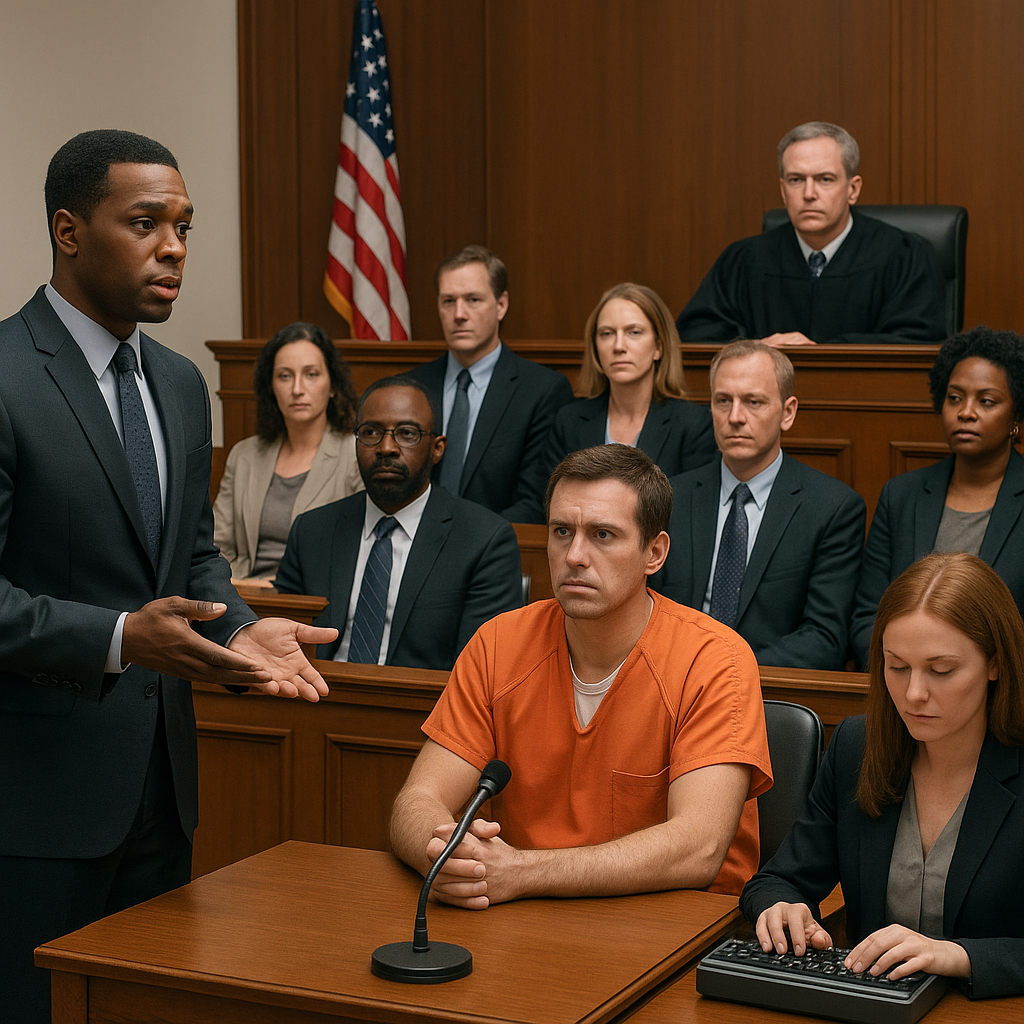
Once formal charges are filed, the Sixth Amendment guarantees the right to a lawyer. If a defendant cannot afford an attorney, the court appoints one. Interrogations, lineups, and critical pretrial proceedings must cease when legal representation is requested. Any evidence collected after this point without counsel present may be thrown out.
- Probable cause vs. reasonable suspicion
- Consent searches and their limits
- Scope of protective sweeps
- Exclusionary rule basics
Consequences of Police Rights Violations
When law enforcement crosses constitutional boundaries, the repercussions extend beyond the immediate case. Recognizing these consequences is crucial for both defendants and the justice system’s integrity.
- Evidence Suppression: Illegally obtained evidence is often excluded under the exclusionary rule, potentially weakening the prosecution’s case.
- Dismissal of Charges: In severe cases where core rights are violated, charges may be dismissed entirely to preserve due process.
- Civil Liability: Officers and agencies may face lawsuits for damages under civil rights statutes, such as 42 U.S.C. § 1983.
- Reputational Harm: Public trust in law enforcement can erode, affecting future cooperation between communities and police.
- Administrative Sanctions: Officers may be subjected to internal discipline, retraining, or termination.
Understanding that these outcomes hinge on proving the violation underscores the importance of meticulous legal strategy. The collection of police reports, witness statements, and surveillance footage can make or break a motion to suppress or civil complaint.
Remedies and Legal Recourse
Victims of police misconduct are not without options. A variety of remedial measures exist to address and rectify rights violations.
Civil Litigation
Filing a federal or state lawsuit under civil rights laws allows plaintiffs to seek compensation for physical injuries, emotional distress, and other losses. Successful suits can also secure injunctions requiring police departments to revise policies or undergo training on constitutional procedures.
Criminal Proceedings Against Officers
In egregious cases involving excessive force or willful misconduct, officers may face criminal charges. Federal statutes, such as depriving someone of civil rights under color of law, carry significant penalties.
Administrative Complaints
Most departments maintain an internal affairs division to investigate allegations of misconduct. Although less visible than court proceedings, these inquiries can result in corrective actions, policy reforms, and disciplinary measures.
- Filing a 42 U.S.C. § 1983 lawsuit
- Pursuing a state civil rights claim
- Leveraging internal affairs investigations
- Seeking class actions for systemic violations
Role of Criminal Lawyers in Safeguarding Rights
Criminal defense attorneys serve as the frontline defenders against unlawful policing. Their expertise ensures clients receive fair treatment throughout the criminal justice process.
- Conducting independent investigations to corroborate or dispute police reports
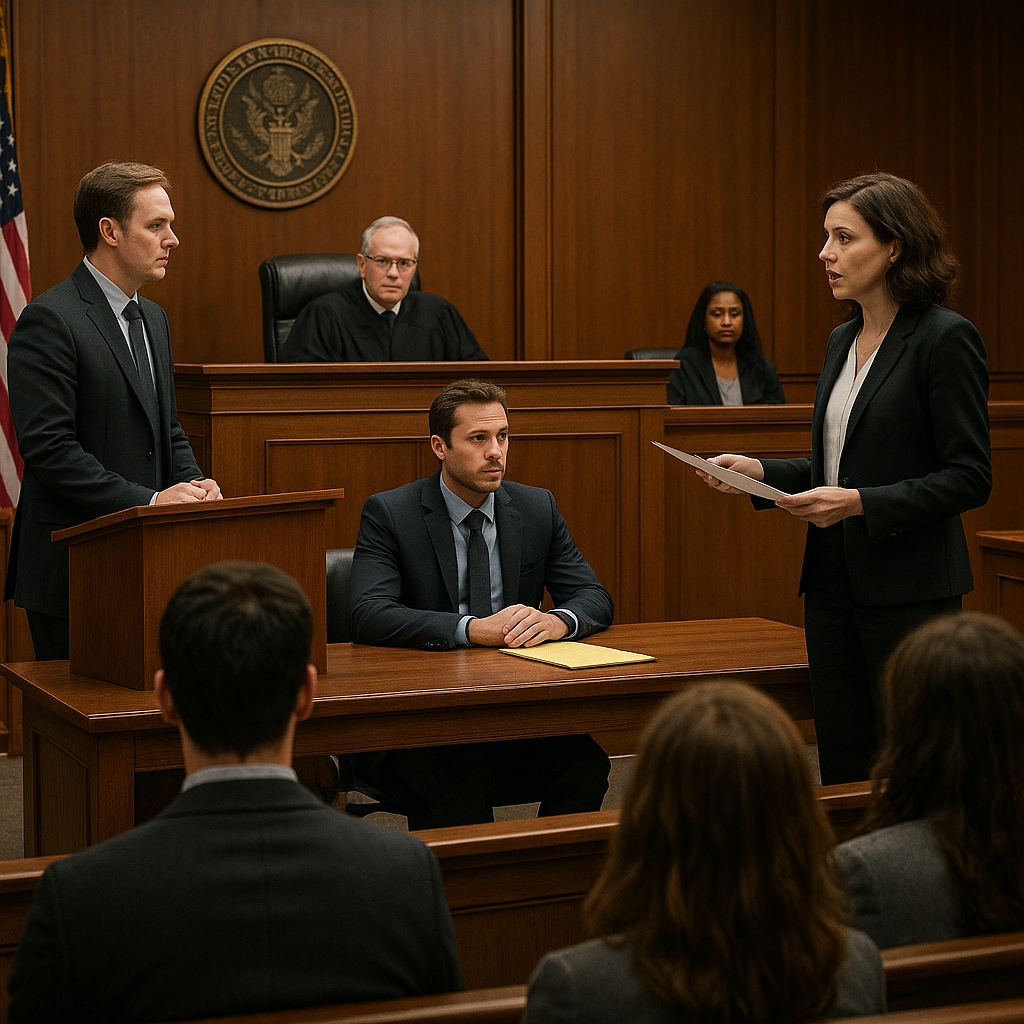
- Filing pretrial motions, including motions to suppress evidence and to dismiss charges
- Negotiating with prosecutors to avoid unfair plea deals
- Representing clients in hearings, trials, and appeals
- Advising on interactions with law enforcement to protect rights proactively
By challenging police conduct, defense lawyers uphold the rule of law and set precedents that benefit broader society. Their interventions can lead to stricter adherence to constitutional norms and improved training for officers.
Best Practices When Dealing With Police Encounters
Proactive measures can minimize the risk of rights violations and enhance your ability to challenge improper police actions later.
- Stay calm and comply with lawful orders to reduce escalation
- Politely invoke your right to remain silent and to counsel
- Record encounters when permitted, as video evidence can be invaluable
- Gather contact information of witnesses and officers involved
- Seek immediate legal counsel if you believe your rights have been breached
Documenting the incident promptly, including writing down details and preserving any physical or digital evidence, prepares you for a strong legal response. Early involvement of a skilled criminal lawyer can turn a potentially harmful encounter into an opportunity to affirm constitutional protections.