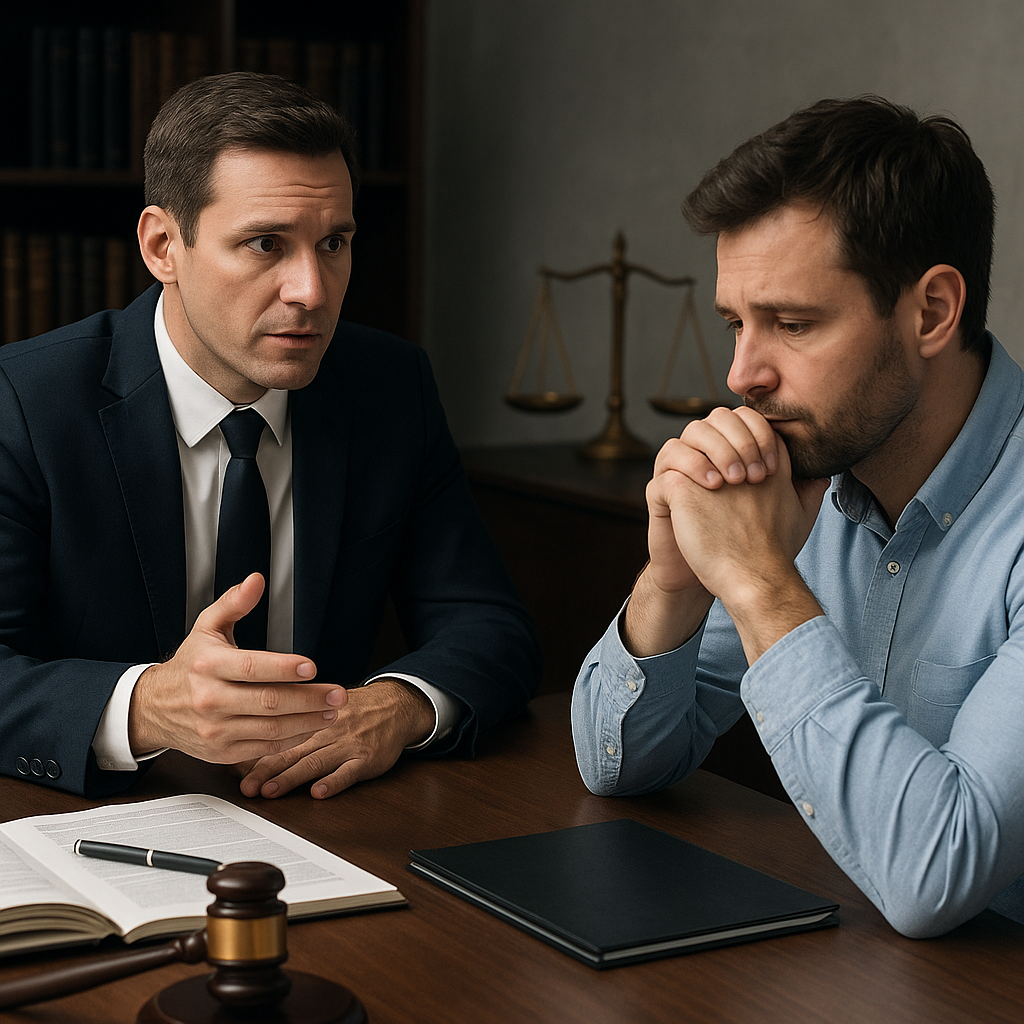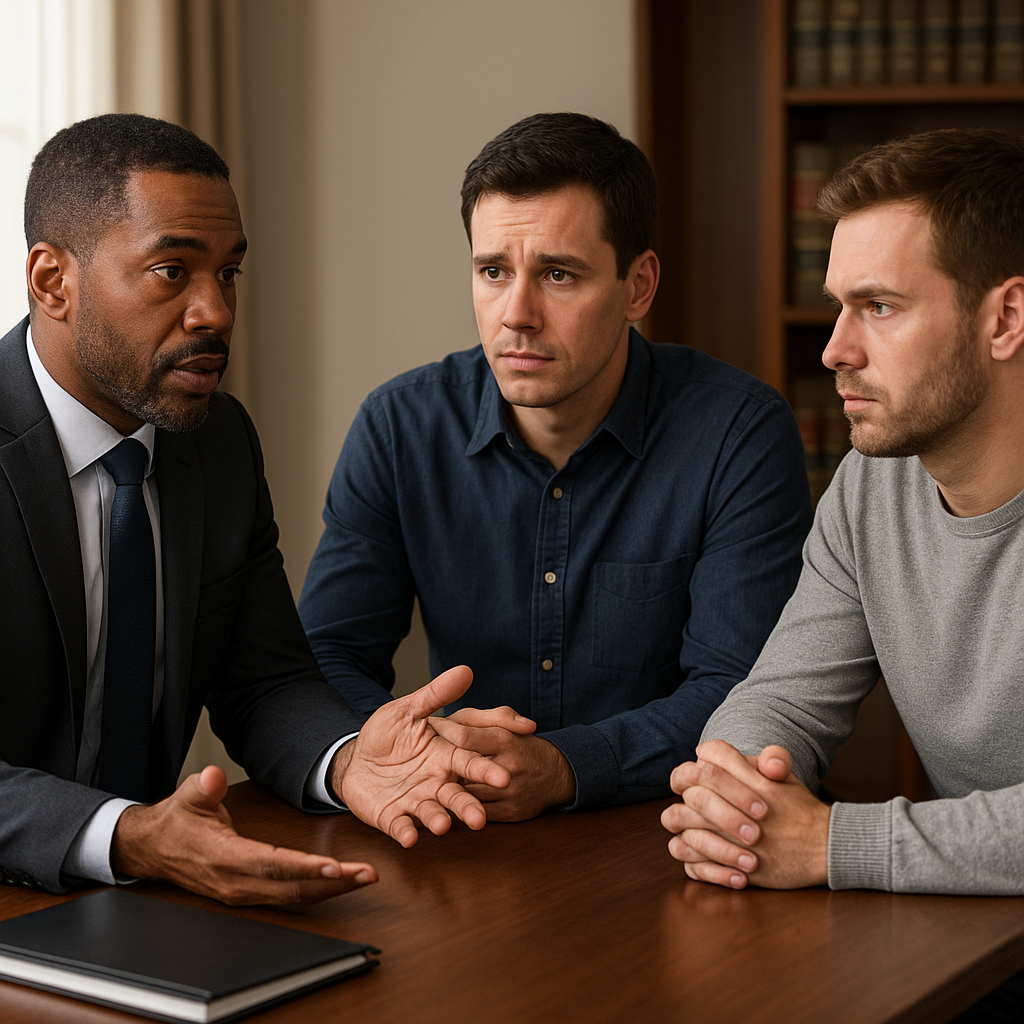
The role of a criminal defense investigator is an indispensable asset to any defense team. Armed with a keen eye for detail and a deep understanding of legal processes, these professionals bridge the gap between raw information and actionable strategy. By gathering critical evidence, interviewing witnesses, and conducting comprehensive background research, a criminal defense investigator ensures that defense lawyers have the robust support they need to challenge the prosecution’s case. This article explores the multifaceted responsibilities of a criminal defense investigator, the skills required to excel, the collaborative dynamics with defense attorneys, and the profound impact these experts have on case outcomes.
Roles and Responsibilities of a Criminal Defense Investigator
A criminal defense investigator performs a variety of tasks that strengthen a defense’s position. Unlike law enforcement counterparts whose primary objective is to secure a conviction, defense investigators focus on uncovering information that benefits the accused. Their duties include:
- Evidence Collection: Locating, analyzing, and preserving physical and digital materials that may support an alternative narrative.
- Witness Interviews: Conducting thorough interviews with both favorable and unfavorable witnesses to evaluate credibility and gather testimony.
- Scene Investigation: Visiting crime scenes to document conditions, photograph relevant details, and identify possible oversights by police investigators.
- Background Checks: Researching criminal histories, employment records, and personal backgrounds to uncover inconsistencies or motivations.
- Surveillance and Observation: Monitoring locations or individuals when appropriate, using both covert and overt methods to gather intelligence.
By meticulously pursuing these responsibilities, a criminal defense investigator supplies defense counsel with the essential foundation to build effective motions, negotiate favorable plea deals, or prepare for trial.
Essential Skills and Qualifications
Becoming a successful criminal defense investigator demands a unique blend of education, experience, and innate talents. Key qualifications include:
- Legal Knowledge: A solid grasp of procedural rules, evidentiary standards, and constitutional protections such as the Fourth and Sixth Amendments.
- Analytical Thinking: The ability to synthesize complex data, identify patterns, and develop creative lines of inquiry.
- Interviewing Techniques: Mastery of open-ended questioning, active listening, and rapport-building strategies to elicit reliable information.
- Attention to Detail: Vigilance in noting even the smallest inconsistencies in documents, testimonies, or physical evidence.
- Technical Proficiency: Familiarity with digital forensics tools, geographic information systems (GIS), and surveillance technologies.
- Ethical Judgment: Upholding confidentiality, respecting privacy rights, and avoiding conflicts of interest at every stage.
Often, investigators possess backgrounds in law enforcement, private security, or social work. Specialized training programs and certification—such as the Certified Legal Investigator (CLI) credential—further enhance credibility and professional competency.
Collaboration with Criminal Defense Lawyers
Effective teamwork between defense attorneys and criminal defense investigators is critical for success. Their partnership typically follows these stages:
Case Intake and Strategy Development
- Defense counsel outlines the client’s narrative and identifies potential defense theories.
- The investigator conducts preliminary research, reviewing police reports, court filings, and discovery materials.
- Together, they craft a comprehensive case strategy that prioritizes key issues, such as alibi verification or discrediting eyewitness identifications.
Evidence Refinement and Motion Preparation
- The investigator locates physical evidence and corroborative documents that may support suppression motions, such as illegal search allegations.
- Defense lawyers rely on detailed investigator reports to draft compelling motions and anticipate prosecution responses.
Plea Negotiations and Trial Support
- During plea discussions, investigators provide up-to-date findings, allowing attorneys to assess the strength of the prosecution’s case.
- At trial, the investigator helps prepare witnesses, organizes exhibits, and may assist with courtroom logistics, such as coordinating demonstrative aids.
This synergy ensures that legal arguments are grounded in thoroughly vetted facts, enhancing the defense’s persuasive power both inside and outside the courtroom.
Challenges and Ethical Considerations
Criminal defense investigators often face obstacles that demand professional resolve and ethical clarity. Some common challenges include:
- Access to Information: Navigating public records restrictions, sealed files, and uncooperative agencies to obtain vital data.
- Witness Reluctance: Persuading hesitant or intimidated witnesses to share truthful accounts, while guarding against coercive tactics.
- Time Pressures: Managing tight pretrial deadlines and last-minute developments that require rapid investigative pivots.
- Maintaining Objectivity: Balancing zealous advocacy with impartial evaluation of all evidence, even when it may undermine the defense theory.
Ethical guidelines from professional bodies—such as the National Association of Legal Investigators (NALI)—provide frameworks to handle conflicts of interest, respect client confidentiality, and ensure integrity in every investigative step.
Impact on Case Outcomes
A skilled criminal defense investigator can be the pivotal factor that turns the tide in a legal battle. Their efforts often lead to:
- Evidence Exculpation: Discovering overlooked clues or alibi witnesses that cast doubt on the prosecution’s narrative.
- Suppression of Illegally Obtained Evidence: Uncovering procedural violations that result in key evidence being excluded at trial.
- Strengthened Negotiation Leverage: Presenting newly unearthed facts that compel prosecutors to offer more favorable plea terms.
- Enhanced Jury Persuasion: Preparing demonstrative exhibits and well-rehearsed witnesses that resonate with jurors’ sense of justice.
By providing clarity where the prosecution’s case may be built on assumptions or gaps, defense investigators play a decisive role in securing acquittals, reduced charges, or alternative resolutions that uphold the rights of the accused.
Continuous Professional Development
The landscape of criminal law evolves with new technologies, shifting legal precedents, and changing investigative methods. To stay at the forefront, criminal defense investigators engage in ongoing learning through:
- Advanced workshops on digital forensics and cybersecurity threats.
- Seminars in psychology to refine witness interview approaches.
- Attendance at legal conferences that address emerging case law and procedural reforms.
- Peer networking through professional associations for best-practice sharing.
This commitment to continuous improvement ensures that defense teams benefit from the latest tools and methodologies, ultimately safeguarding the integrity of criminal proceedings and promoting a fair trial for every client.