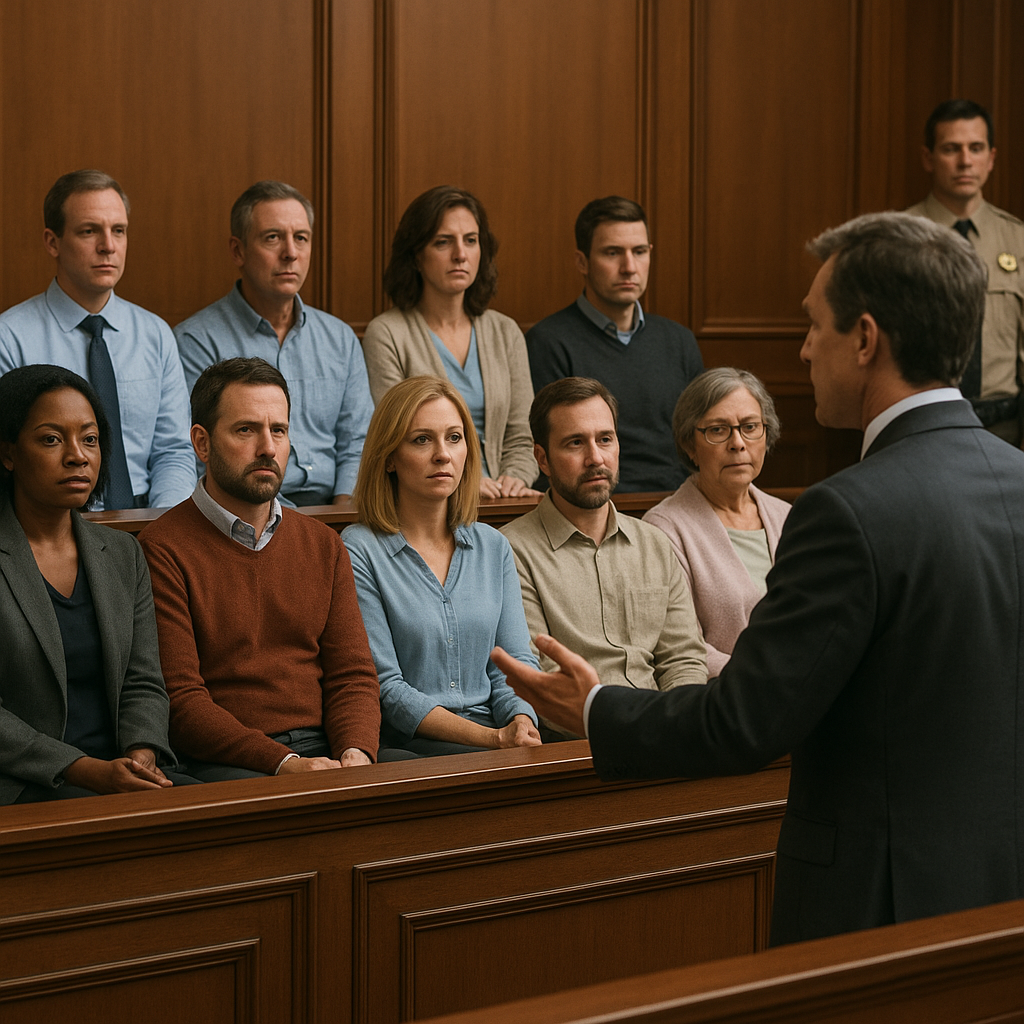
The criminal justice system relies on a balanced interplay between legal professionals and ordinary citizens to determine guilt or innocence. At its core, the jury serves as a vital guardian of community values, ensuring that every defendant receives a fair trials based on transparent procedures and shared standards. This article explores the composition, functions, and challenges faced by juries in criminal trials, underscoring their role in upholding the presumption of innocence and protecting individual rights.
Composition and Selection of the Jury
Eligibility and Summons
Potential jurors are drawn from voter registration lists, driver’s license databases, or other civic rosters. Eligibility criteria typically require U.S. citizenship, residency in the relevant jurisdiction, a minimum age (often 18), and no disqualifying criminal convictions. Once summoned, citizens must respond to a questionnaire about their background, occupation, and experiences that might affect their ability to decide impartially.
Voir Dire Process
The prosecutor and defense counsel question prospective jurors to uncover potential biases. During voir dire, attorneys seek assurances that jurors can base their decisions solely on the evidence presented in court, free from preconceptions about race, religion, or media influence. Challenges for cause may dismiss jurors with explicit biases, while each side also receives a limited number of peremptory strikes to exclude jurors without stating a reason.
The Role of Jury Instructions
Before deliberations begin, the judge provides detailed jury instructions regarding relevant criminal statutes, burden of proof, and legal definitions. Clear instructions promote accurate application of the law, but complex legal language can sometimes overwhelm jurors, highlighting the importance of concise, comprehensible guidance.
Functions and Responsibilities of the Jury
Weighing the Evidence
Jurors act as fact-finders, evaluating witness credibility, assessing exhibits, and considering expert testimony. They examine forensic reports, physical exhibits, and documentary proofs to determine which facts have been established beyond a reasonable doubt. By pooling their individual perspectives, jurors safeguard against single-minded judgments and reduce the risk of error.
Deliberation and Decision-Making
Once closing arguments conclude, jurors retire to the deliberation room. Here, they discuss the case freely, exchange viewpoints, and clarify uncertainties. The principle of impartiality demands that jurors avoid outside influences, such as news reports or personal research. Deliberations often involve:
- Reviewing salient testimony and exhibits
- Re-examining jury instructions
- Addressing differing interpretations of facts
- Voting on each element of the charged offense
Final verdicts typically require unanimity in most felony trials, underscoring the weight of consensus in upholding due process.
Delivering the Verdict
Once reached, the verdict is read aloud in open court. A “guilty” decision leads to sentencing, where judges consider guidelines and aggravating or mitigating factors. An “acquittal” terminates the case; the Double Jeopardy Clause prohibits retrial on the same charges. Through this process, the jury upholds constitutional safeguards against wrongful convictions.
Challenges and Criticisms of Jury Trials
Bias and Prejudice
Despite screening mechanisms, unconscious biases may persist. Jurors’ backgrounds, personal experiences, or community attitudes can shape perceptions of defendants and witnesses. High-profile cases risk media-fueled prejudgment, prompting debates over relocation or sequestering juries to preserve fairness.
Complexity of Law and Instructions
Modern criminal statutes and forensic evidence can strain jurors’ comprehension. Complex scientific testimony, digital forensics, and intricate legal standards challenge laypersons. Misunderstanding a critical legal element may lead to unjust outcomes, fueling calls for simplified instructions and expert jury advisors.
Lengthy Trials and Juror Fatigue
Extended trials burden jurors with significant time commitments, leading to fatigue and diminished attention. Long deliberation periods can exacerbate stress, potentially affecting the quality of verdicts. Some jurisdictions explore juror compensation increases or split trials to mitigate these issues.
Proposed Reforms and Innovations
To bolster the jury system, courts and legislatures consider several reforms:
- Improved jury instructions drafted in plain language
- Use of visual aids and real-time transcripts
- Specialized juries for technical cases
- Enhanced juror orientation programs
Such innovations aim to enhance understanding, maintain engagement, and preserve public confidence in the pursuit of justice.
The Enduring Significance of Jury Trials
Criminal juries embody democratic participation in the legal process, reflecting the community’s moral compass. By entrusting verdicts to a representative cross-section of citizens, the system promotes transparency, accountability, and respect for individual liberties. While challenges remain, the jury’s capacity for collective judgment and adherence to the presumption of innocence and reasonable doubt standards solidify its place as a cornerstone of modern criminal justice.