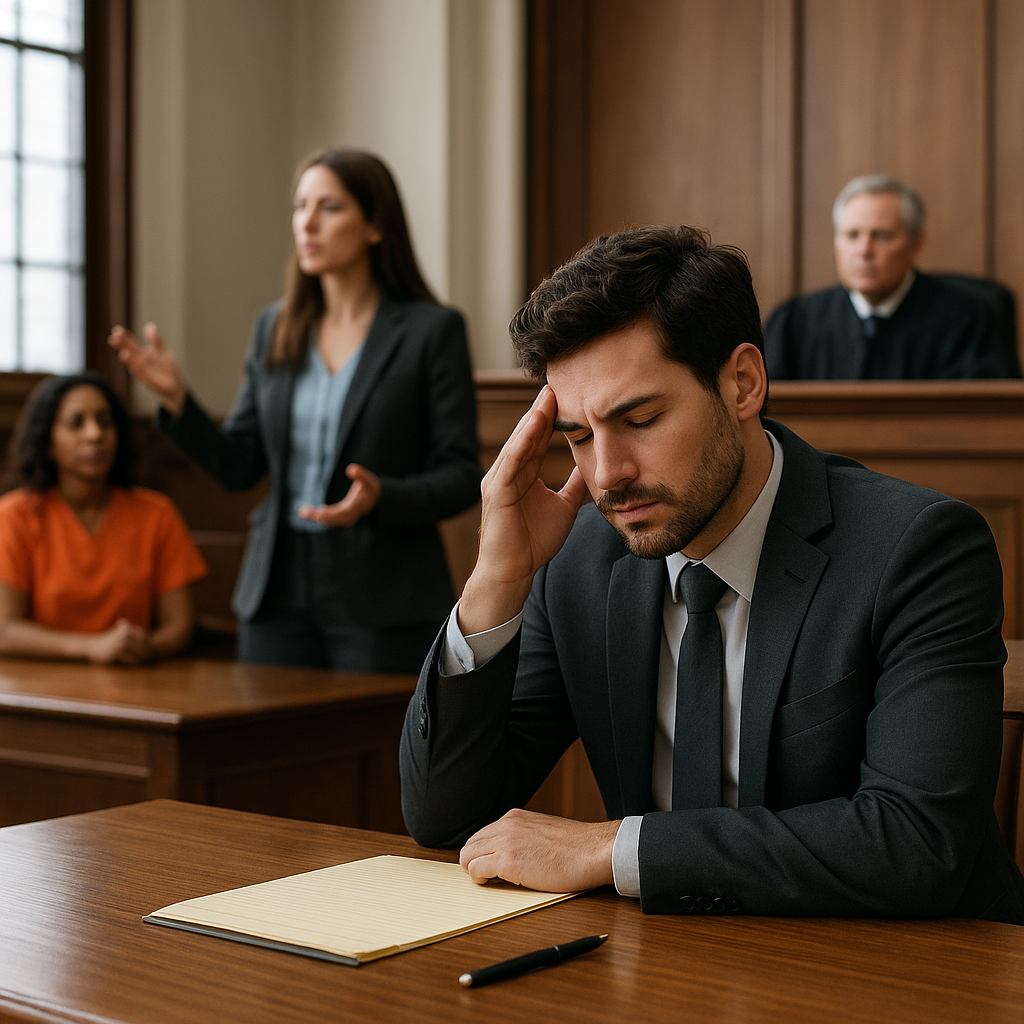
The journey through the criminal justice system does not necessarily end with a prison sentence. For many individuals, probation and parole represent critical components of rehabilitation and reintegration into society. However, the complexity of conditions and requirements often leads to alleged violations that can jeopardize one’s freedom. Understanding the nuances of these processes, and how a skilled attorney can offer a robust defense, is essential for anyone facing potential revocation.
Understanding Probation and Parole
While both probation and parole serve as alternatives to full-time incarceration, they function in distinct ways:
- Probation is typically imposed by a judge at sentencing, allowing an offender to remain in the community under supervision instead of serving time in jail or prison.
- Parole occurs after an incarcerated individual has served a portion of the sentence and is released under supervision to complete the remainder in the community.
Both systems rely on stringent conditions designed to protect public safety and encourage rehabilitation. These conditions may include:
- Regular meetings with a probation or parole officer
- Employment or education requirements
- Drug testing and substance abuse treatment
- Travel restrictions and curfews
- Mandatory community service or counseling programs
Failure to abide by any of these terms can trigger a violation process, potentially leading to a hearing and even revocation of community supervision.
Common Violations and Implications
Violations are generally classified as either technical or substantive:
- Technical Violations: Breaches of administrative rules, such as missing appointments, failing drug tests, or not reporting changes in address.
- Substantive Violations: Involvement in new criminal activity, which can result in separate charges in addition to a revocation proceeding.
Consequences for violations vary widely but may include:
- Written warnings or increased supervision levels
- Fines or community service
- Electronic monitoring or house arrest
- Partial or full revocation leading to incarceration
When faced with an alleged violation, officers may file a petition or report to the court, triggering a hearing where a judge determines whether sufficient evidence exists to find a breach. The stakes can be high, as a judge’s decision might reverse the progress made during community supervision and result in a return to custody.
Due Process Rights at Violation Hearings
Individuals subject to violation proceedings are entitled to certain procedural protections, though these rights are generally more limited than in criminal trials:
- Notice of the alleged violation and the evidence supporting it
- An opportunity to be heard and present witnesses
- The right to confront adverse witnesses in some jurisdictions
- Access to counsel, especially if incarceration is a possible outcome
Understanding the scope of these rights is crucial. A knowledgeable attorney can ensure that due process is respected, challenging any procedural errors or insufficient evidence that might unfairly tip the scales against the supervisee.
Legal Rights and Defense Strategies
Effective representation in probation or parole violation cases involves multiple strategic considerations:
Challenging the Evidence
- Questioning the reliability of drug tests and chain-of-custody procedures
- Undermining the credibility of reporting officers or alleged witnesses
- Presenting alibis, expert testimony, or alternative explanations
Procedural Objections
- Ensuring timely notice of the hearing and adequate disclosure of evidence
- Asserting jurisdictional challenges if the petition is improperly filed
- Objecting to hearsay or other inadmissible evidence under local rules
Negotiation and Mitigation
- Engaging with prosecutors or supervisory agencies to resolve the matter without full revocation
- Proposing amendments to conditions to facilitate compliance
- Highlighting treatment programs or support services that address underlying issues
Securing representation early in the process can prevent procedural missteps and preserve critical defenses. By vigorously contesting the allegations and crafting persuasive mitigation plans, attorneys often reduce or eliminate the risk of full revocation and incarceration.
Role of Criminal Lawyers in Violation Proceedings
Criminal defense lawyers specializing in probation and parole matters bring expertise in:
- Interpreting complex statutes and supervision conditions
- Navigating local court procedures and timelines
- Investigating factual disputes and gathering exculpatory evidence
- Advising clients on their rights and strategic options
- Advocating at hearings to safeguard the benefits of community supervision
An experienced lawyer will conduct a thorough review of the client’s file, challenge any overbroad or unclear conditions, and negotiate tailored solutions. In cases where a return to custody seems inevitable, counsel may still limit the duration or secure alternatives, such as electronic monitoring or halfway house placement.
Preventing and Addressing Violations
Prevention is often the most effective strategy. Individuals on probation or parole should consider the following:
- Maintain open communication with supervising officers and lawyers
- Keep detailed records of appointments, programs, and compliance efforts
- Seek modifications of conditions if they prove unworkable or counterproductive
- Engage proactively in rehabilitation services to demonstrate good faith
When violations occur, prompt consultation with counsel can halt escalation. Early intervention may lead to remedial plans, avoiding formal petitions and preserving the individual’s progress toward successful reintegration rather than a return to a punitive environment.