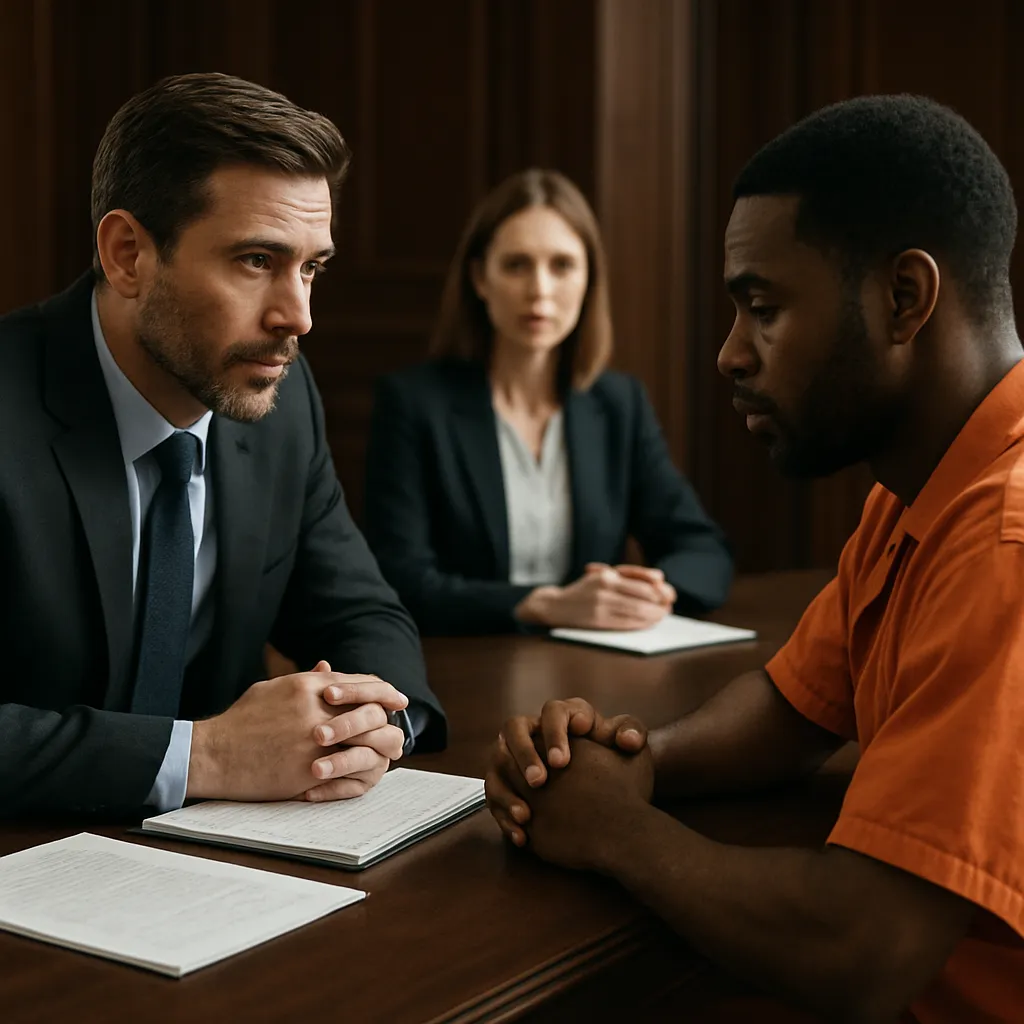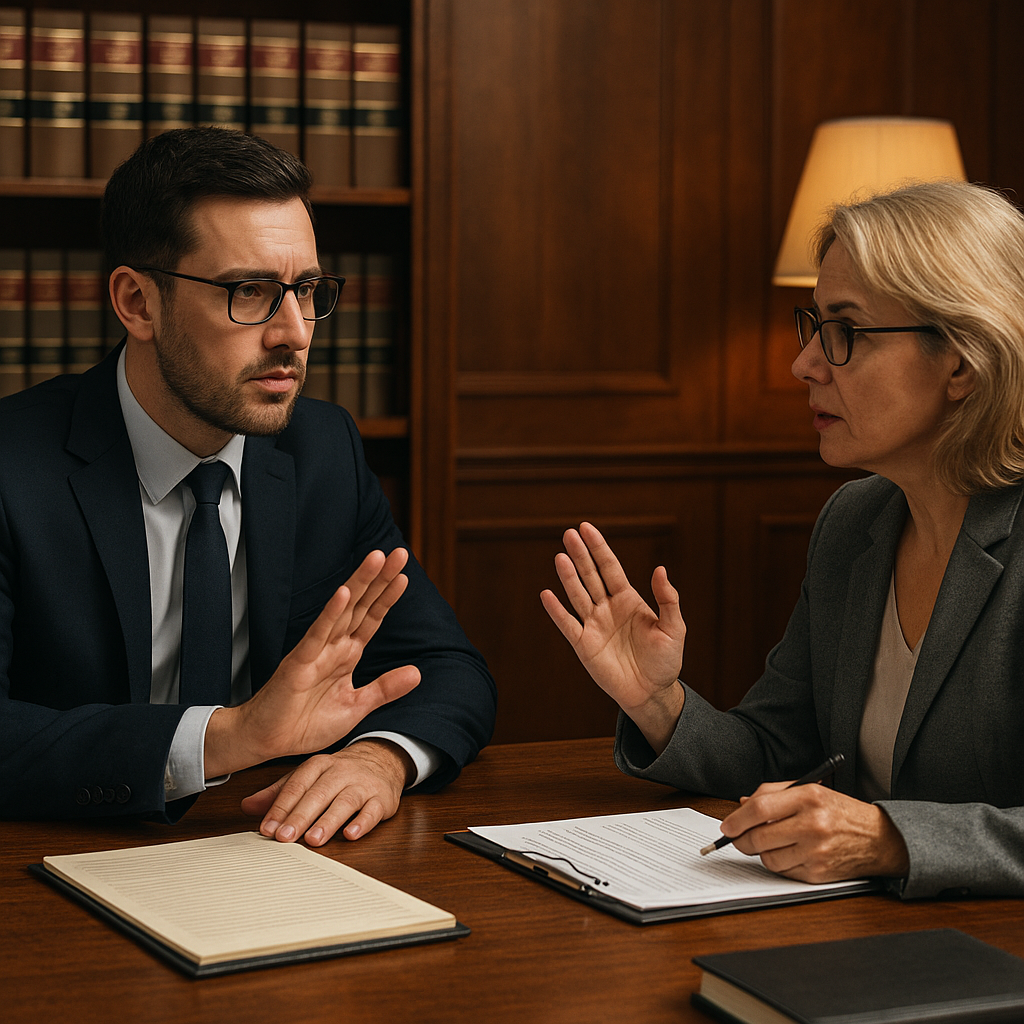
Criminal defense attorneys often collaborate with expert witnesses to gain insights into a defendant’s mental state, tailor legal strategy, and influence outcomes. By integrating findings from comprehensive psychological assessments, lawyers can challenge or support charges, provide context for client behavior, and pursue more favorable resolutions. Such collaboration not only shapes courtroom presentations but also informs plea negotiations, sentencing advocacy, and potential rehabilitation plans.
Understanding the Role of Psychological Experts in Criminal Cases
Psychological experts bring specialized knowledge that transcends lay understanding of human behavior. They are typically licensed clinicians—such as clinical psychologists or forensic psychiatrists—who have undergone rigorous training in psychiatric evaluation, diagnostic criteria, and standardized testing procedures. In criminal matters, these professionals may be retained by defense counsel to conduct thorough examinations, interpret test results, and prepare written reports that elucidate cognitive functioning, emotional regulation, or possible mental disorders.
When evaluating a defendant, the expert’s tasks might include administering intelligence tests, personality inventories, and projective techniques. Such evaluation helps determine whether a client meets legal standards for diminished capacity, competency to stand trial, or insanity at the time of the alleged offense. Additionally, experts assess risk factors for violence or recidivism, enabling attorneys to craft defense arguments around mitigating circumstances and future treatment needs.
In many jurisdictions, defense teams rely on psychological experts to bolster claims of mental impairment or intoxication that may reduce culpability. Conversely, prosecution experts may challenge these assessments. Thus, the adversarial dynamic hinges on each side’s ability to secure credible, scientifically sound testimony.
Key Phases of Expert Involvement
Pre-Trial Assessment
At the pre-trial stage, lawyers engage experts to perform detailed forensic evaluations, gathering background data from medical records, criminal history, school reports, and interviews with family members. The expert may use structured risk assessment tools to measure impulsivity, decision-making deficits, or potential for self-harm. By documenting evidence of childhood trauma, developmental delays, or untreated mental illness, attorneys can lay the groundwork for mitigation efforts.
Trial Testimony
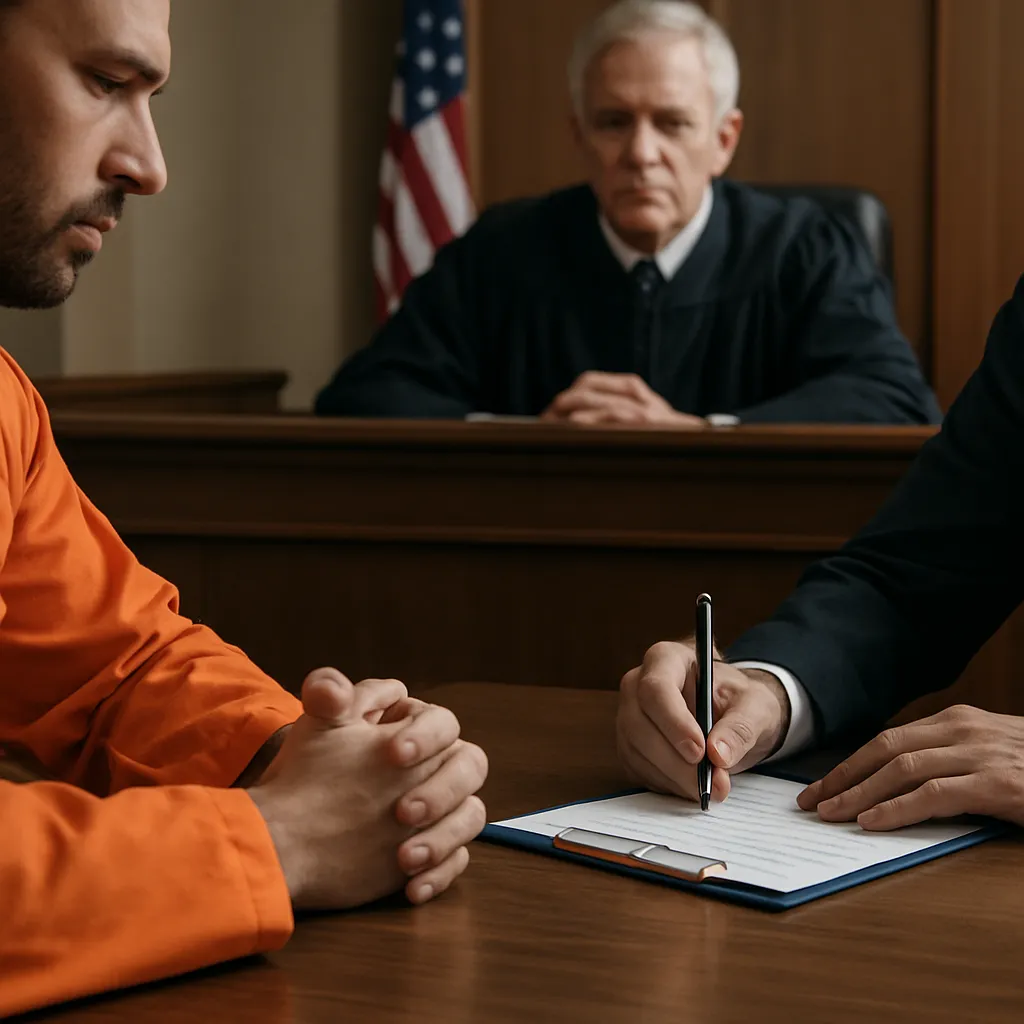
During trial, psychological experts take the stand to provide testimony under oath. They translate complex clinical concepts into comprehensible language for judges and jurors, explaining diagnoses, symptomatology, and the relationship between mental health issues and criminal behavior. Effective witnesses emphasize their methodology, training, and experience to establish credibility. Defense counsel conduct direct examination to highlight factors such as diminished capacity or co-occurring disorders, while prosecution cross-examination often focuses on limitations of testing instruments, potential biases, or alternative explanations.
Post-Conviction Contributions
After conviction, experts remain valuable resources for sentencing hearings, appeals, and parole boards. They can update their assessments to reflect changes in the defendant’s condition, recommend targeted interventions, or testify regarding rehabilitation prospects. Reports produced at this stage may influence judges to impose treatment-oriented conditions—such as residential programs or probation with mandated counseling—instead of extended incarceration.
Impact on Defense Strategy and Sentencing
Integrating psychological expertise transforms the criminal defense landscape in several ways. First, it empowers lawyers to frame the client’s narrative around underlying mental health issues rather than solely focusing on alleged criminal conduct. By foregrounding a comprehensive clinical portrait, attorneys can shift perceptions of blame and responsibility.
During plea negotiations, defense counsel leverage expert findings to argue for reduced charges or alternative sentencing options. For instance, presenting data on executive function deficits or impulse control disorders may convince prosecutors to offer diversion programs. At sentencing, a robust expert report supports requests for community-based treatment, inpatient rehabilitation, or specialized probation conditions.
Mitigation and Advocacy
A persuasive mitigation strategy underscores how untreated mental illness or past trauma contributed to the offense. Experts collaborate with attorneys to develop character letters, curate medical records, and testify about the client’s progress in treatment. In many cases, the court’s willingness to impose less restrictive penalties hinges on the perceived effectiveness of proposed therapeutic interventions.
Rehabilitation and Long-Term Outcomes
Post-sentencing, psychological experts draft individualized treatment plans, drawing on evidence-based modalities such as cognitive-behavioral therapy, dialectical behavior therapy, or medication management. These recommendations guide probation officers, parole boards, and correctional institutions in supporting the defendant’s reintegration into society. Successful adherence to these plans can reduce recidivism, benefiting both the client and the broader community.
Challenges and Ethical Considerations
Despite their value, the use of psychological experts in criminal cases raises practical and ethical challenges. Balancing objectivity with client advocacy requires careful navigation. Experts must disclose potential conflicts, avoid overstating conclusions, and adhere to professional codes of conduct. Attorneys, for their part, must ensure that expert testimony remains within the bounds of admissible evidence and scientific reliability.
Courts apply varied standards—such as Daubert or Frye—to determine whether expert opinions are sufficiently grounded in recognized methodologies. Defense teams must prepare to defend the admissibility of psychological reports and challenge opposing experts on cross-examination. Moreover, fees for expert services can be substantial, requiring defense counsel to justify expenditures when resources are limited.
Another key issue is cultural competence. Experts must account for linguistic differences, socioeconomic factors, and potential biases in testing instruments. Failure to do so can undermine the fairness of evaluations and jeopardize the integrity of the defense.
Ultimately, the collaboration between criminal lawyers and psychological experts exemplifies a multidisciplinary effort to achieve equitable outcomes. By harnessing specialized knowledge, legal teams can demystify complex mental health issues, advocate effectively on behalf of clients, and contribute to a justice system that recognizes the interplay between law and psychology.