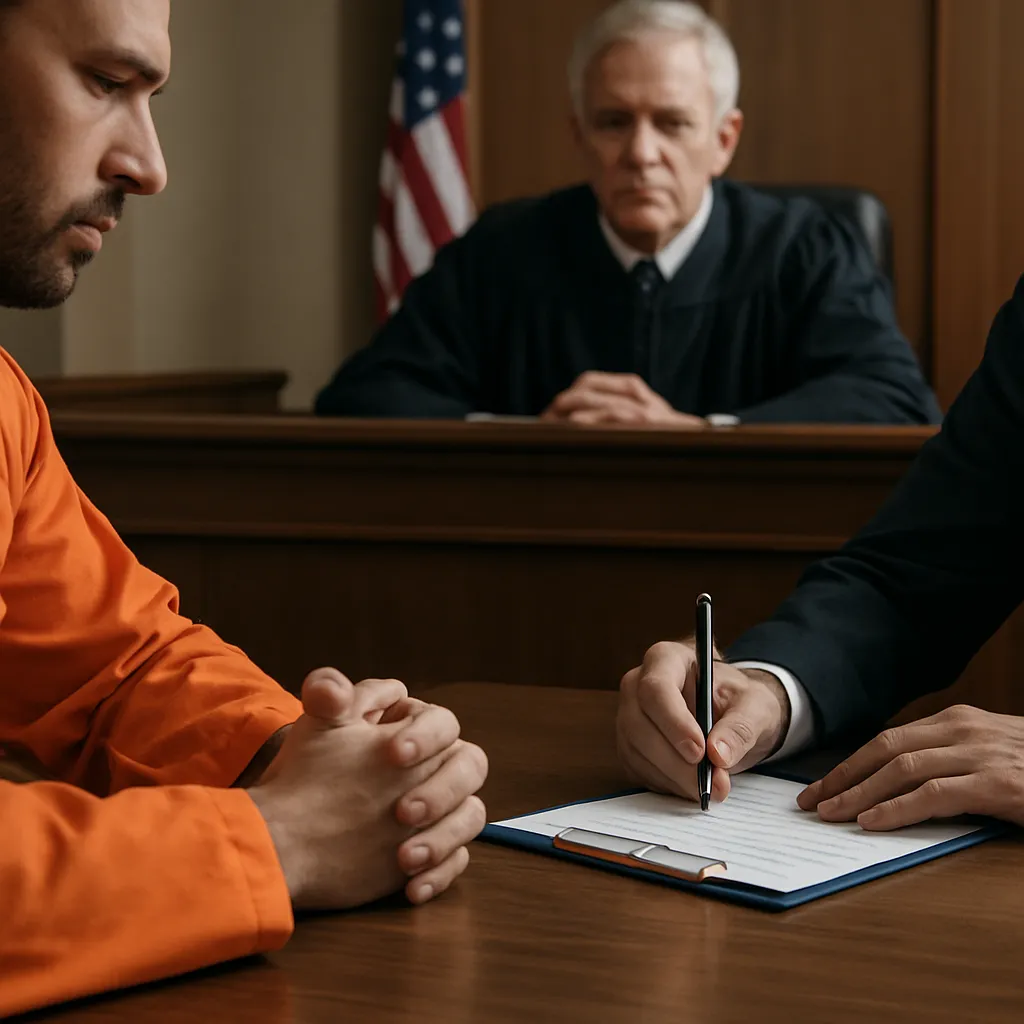
The practice of plea bargain has become an integral component of modern criminal justice systems. At its core, it involves a defendant agreeing to plead guilty to a lesser charge or to one of multiple charges in exchange for concessions from the prosecutor. While it may seem straightforward, the process reflects a delicate balance of strategy, rights protection, and legal maneuvering. Understanding how a plea bargain works is crucial not only for defendants but also for criminal lawyers, policymakers, and anyone interested in the intricacies of the law.
Understanding the Plea Bargain Process
The journey toward a plea agreement typically unfolds over several stages. Both sides—defense and prosecution—evaluate the strength of evidence, potential conviction risks, and sentencing outcomes. Although procedures can vary by jurisdiction, the core elements remain consistent.
- Investigation: Law enforcement gathers evidence and decides whether to file charges.
- Charging Decision: The prosecutor files formal charges, setting the stage for negotiations.
- Negotiation: Defense attorneys and prosecutors exchange offers, targeting a deal that mitigates trial risk.
- Plea Hearing: The defendant enters a plea in court under judicial supervision.
- Sentence Imposition: A judge imposes a sentence guided by the terms of the agreement.
Advantages and Disadvantages of Plea Bargaining
Plea deals offer both benefits and potential pitfalls. Parties must weigh these factors carefully before deciding on a course of action.
- Advantages:
- Reduced charges and shorter sentence exposure.
- Swift resolution, easing courthouse congestion.
- Greater predictability compared to jury verdicts.
- Resource savings for the state and defense counsel.
- Disadvantages:
- Pressure on defendants to accept deals, even when innocent.
- Risk of coercion or inadequate counsel representation.
- Potential for inconsistent outcomes across similar cases.
- Less transparency than full trials, limiting public scrutiny.
Role of Criminal Lawyers in Plea Bargaining
Criminal lawyers serve as the linchpin in plea negotiations. Their expertise, advocacy, and ethical obligations shape the entire process.
Defense Attorney Strategies
Defense counsel focus on minimizing the impact of charges. Key strategies include:
- Thorough review of the prosecution’s evidence to identify weaknesses.
- Highlighting mitigating factors, such as the defendant’s background and circumstances.
- Negotiating alternatives to incarceration, like probation or diversion programs.
- Ensuring the client fully understands their rights and the ramifications of pleading guilty.
Prosecutor Considerations
Prosecutors balance community safety, victims’ interests, and caseload management. They:
- Assess likelihood of conviction at trial based on available evidence.
- Seek accountability that reflects the seriousness of the offense.
- Coordinate with law enforcement and victims to secure their input.
- Aim to conserve resources while maintaining public trust in the justice system.
Key Factors Influencing Plea Deal Outcomes
Several variables dictate whether a plea bargain is offered and its terms. Understanding these factors can guide expectations and strategy.
- Strength of Evidence: Solid forensic data, credible witnesses, or written confessions bolster the prosecution’s leverage.
- Prior Record: A clean history may lead to more lenient offers; repeat offenses can result in harsher terms.
- Severity of Offense: Felonies generally command less favorable deals than misdemeanors.
- Victim Impact Statements: Strongly worded statements can influence a prosecutor’s willingness to negotiate.
- Court Resources: Overburdened dockets often generate more plea opportunities to avoid lengthy trials.
- Jurisdictional Policies: Local practices and guidelines shape plea discount rates and allowable concessions.
Protecting Defendant Rights in Plea Negotiations
Ensuring that a defendant’s constitutional protections remain intact is paramount. Several safeguards exist to uphold fairness:
- Right to Counsel: Defendants must have access to competent legal representation throughout negotiations.
- Voluntary Plea: Courts require confirmation that the plea is made knowingly and without coercion.
- Judicial Oversight: Judges review plea agreements to verify factual basis and fairness.
- Appeal Rights: In some jurisdictions, limited appeals remain available for sentencing errors or involuntary pleas.
Common Myths and Misconceptions
Misunderstandings about plea bargaining can mislead defendants and observers alike.
- Myth: Plea deals are only for guilty parties. Reality: Innocent individuals may plead to avoid severe trial risks.
- Myth: Lawyers push deals for quick fees. Reality: Ethical rules require attorneys to act in the client’s best interest.
- Myth: All plea agreements guarantee leniency. Reality: Concessions vary, and some deals carry heavy penalties.
- Myth: Once offered, pleas can’t be refused. Reality: Defendants retain the right to go to trial if they choose.
Alternatives to Traditional Plea Bargains
Court systems continue to evolve, offering novel approaches beyond standard plea deals.
- Diversion Programs: First-time, nonviolent offenders may complete community service or treatment instead of entering a plea.
- Pretrial Intervention: Specialized programs for defendants with substance abuse or mental health challenges.
- Restorative Justice: Emphasizes repairing harm through victim-offender mediation and restitution agreements.
- Conditional Discharge: Defendants avoid conviction if they meet specific court-imposed conditions over time.
Conclusion of the Process
By engaging in plea negotiations, parties reach an agreement that resolves criminal charges without a full-scale trial. While this method accelerates case resolution and conserves resources, it demands rigorous advocacy from criminal lawyers and vigilant protection of defendants’ rights. A well-negotiated plea can deliver justice efficiently, but transparency and ethical conduct remain essential to maintain public confidence in the system.