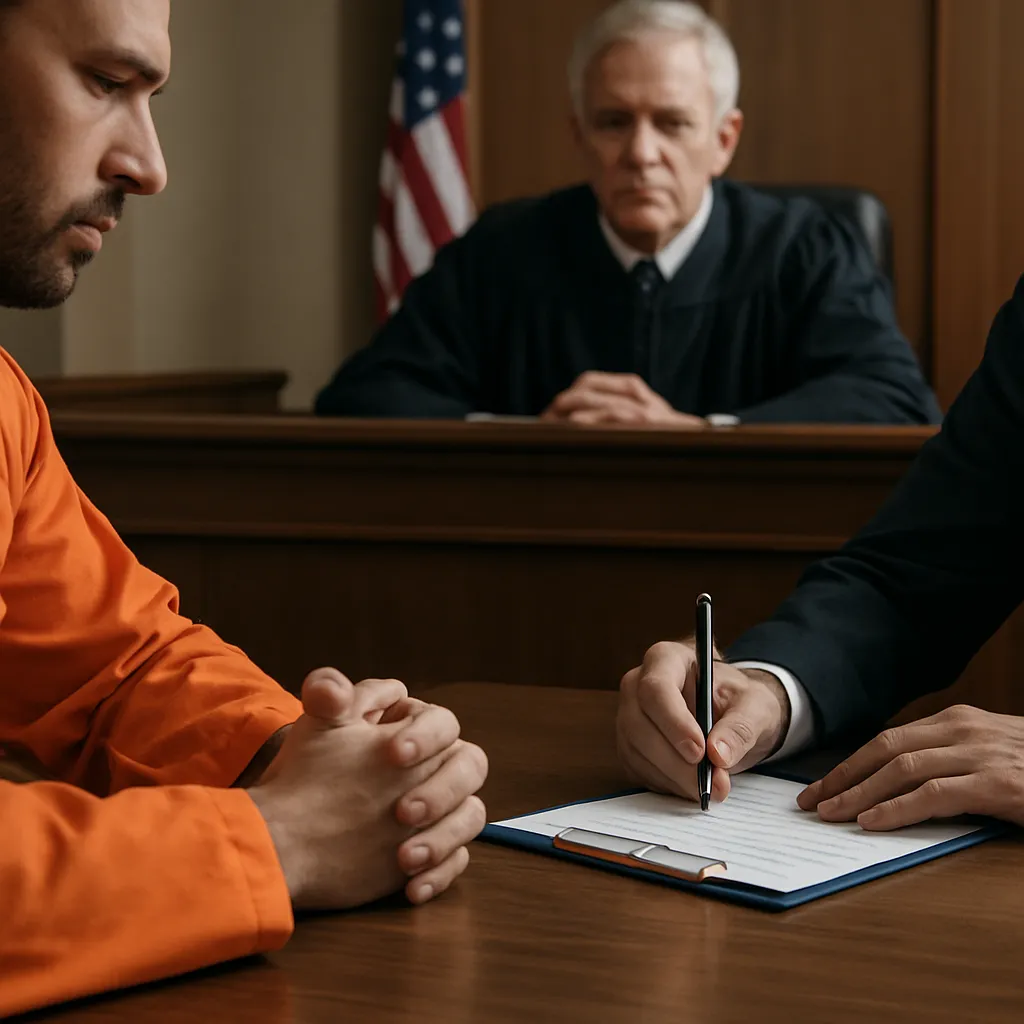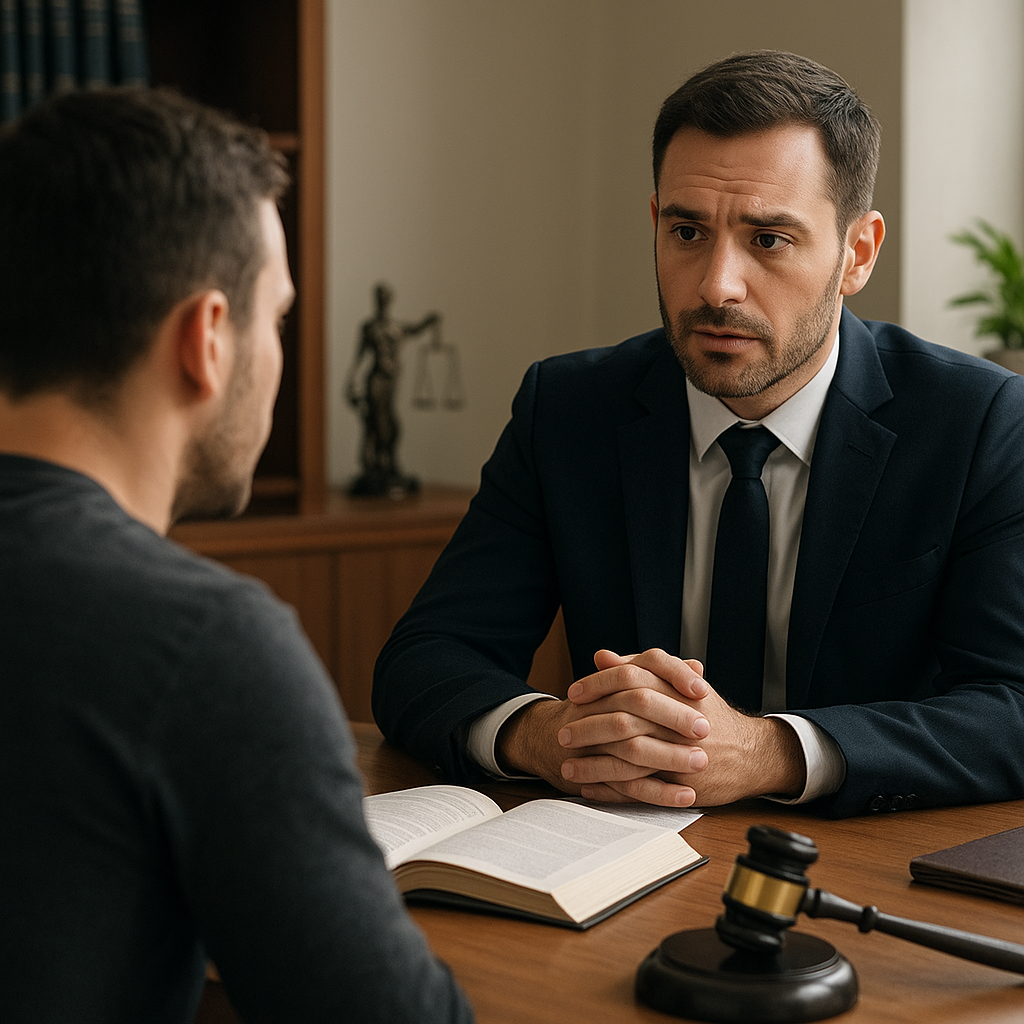
Navigating the criminal justice system can be daunting, and selecting the right legal representation is one of the most critical decisions you will face after an arrest or indictment. A knowledgeable, skilled attorney can make the difference between acquittal, reduced charges, or a harsh sentence. This guide will explore essential considerations in choosing a criminal defense lawyer, offering insight into their role, qualifications, and factors that define a strong legal advocate.
Understanding Criminal Defense Law
To choose wisely, it helps to know the landscape of criminal law and what a defense attorney actually does. From misdemeanors to serious felonies, each case demands a tailored approach. A well-informed client is better equipped to evaluate potential counsel.
The Role of a Criminal Defense Attorney
A criminal defense lawyer serves multiple functions. They:
- Investigate the facts, reviewing police reports, witness statements, and evidence.
- Advise clients on their rights under the Constitution, including protection against unlawful search and seizure.
- Negotiate with prosecutors to secure plea bargains or reduced charges.
- Represent clients in pre-trial hearings, trials, and sentencing.
- Develop and implement a case strategy designed to achieve the best possible outcome.
Key Legal Concepts
Familiarize yourself with foundational terms:
- Burden of proof: Prosecutors must prove guilt “beyond a reasonable doubt.”
- Presumption of innocence: Every defendant is presumed innocent until proven guilty.
- Due process: The right to fair procedures, including notice and a hearing.
- Exculpatory evidence: Information that may clear a defendant of guilt.
Understanding these concepts will help you gauge an attorney’s explanation of your case and their proposed approach.
Factors to Consider When Choosing an Attorney
Not all lawyers are created equal. Certain key factors should guide your selection process. Evaluate each candidate on these criteria:
Expertise and Experience
Look for attorneys who focus primarily on criminal defense rather than general practice. An attorney with years of courtroom experience and a deep understanding of local statutes and procedures often delivers stronger representation. Ask about their track record handling cases similar to yours—whether DUI, drug charges, white-collar offenses, or violent crimes. A lawyer with proven expertise is more likely to anticipate prosecution tactics and craft effective defenses.
Reputation and Track Record
Research peer reviews and client testimonials. Lawyers often receive ratings from bar associations or legal directories. Check if they have any disciplinary actions or ethical complaints on record. A stellar reputation among colleagues and former clients can indicate reliability, integrity, and a strong work ethic. Don’t hesitate to ask your prospective attorney for examples of past wins or favorable plea negotiations.
Communication and Availability
Effective representation hinges on clear, timely communication. During your initial consultation, note whether the attorney listens carefully, answers your questions in plain language, and explains legal terms. Make sure they outline how frequently you can expect updates and through which channels (phone, email, in-person meetings). Consistent and transparent communication builds trust and reduces anxiety throughout the legal process.
Fees and Billing Structure
Legal fees in criminal cases vary widely. Some lawyers charge a flat fee for handling the entire case, while others bill by the hour. Obtain a detailed fee agreement that spells out:
- The base rate or flat fee
- Costs for investigators, expert witnesses, and court filings
- Retainer requirements and refund policies
- Payment schedules
Understanding the financial commitment in advance prevents surprises and ensures you choose counsel whose services you can afford without compromising quality.
Evaluating Potential Attorneys
Once you’ve narrowed your list, engage in a systematic evaluation process. Follow these steps to compare and contrast your options effectively:
- Consultation: Most criminal defense attorneys offer an initial meeting, often free or at a reduced rate. Use this session to assess their demeanor, knowledge, and interest in your case.
- Questions to Ask:
- How many cases like mine have you handled?
- What defenses do you think will apply?
- What timeline do you anticipate for resolution?
- Who on your team will work on my case?
- Reviewing Credentials: Verify bar membership, board certifications in criminal law, and any specialized training. Certified criminal law specialists have undergone rigorous testing and peer review.
- Client Testimonials and References: Request contact information for former clients or read online reviews. Real-world experiences can illuminate an attorney’s strengths and weaknesses.
- Office Visit: Pay attention to the office environment. A professional, organized setting often reflects the attorney’s approach to case management.
Making the Final Decision
After thorough research and consultations, trust your instincts. Choose the attorney who not only meets objective criteria—such as credentials and experience—but also someone you feel comfortable confiding in. A strong attorney-client relationship is built on open dialogue, mutual respect, and shared commitment. By investing time up front to select the right advocate, you empower your defense and maximize your chances of a favorable outcome.