Understanding what unfolds during a criminal trial is vital for defendants, legal professionals, and observers alike. Each stage—from initial charges to the final verdict—relies on procedural rules, strategic decisions by a defense attorney, and the efforts of the prosecution. This guide walks through the major phases, highlighting key players, courtroom dynamics, and critical legal concepts that shape the outcome.
Initiation of Proceedings
The journey begins the moment charges are filed. Formal steps ensure due process and protect the rights of all parties.
Arraignment and Plea
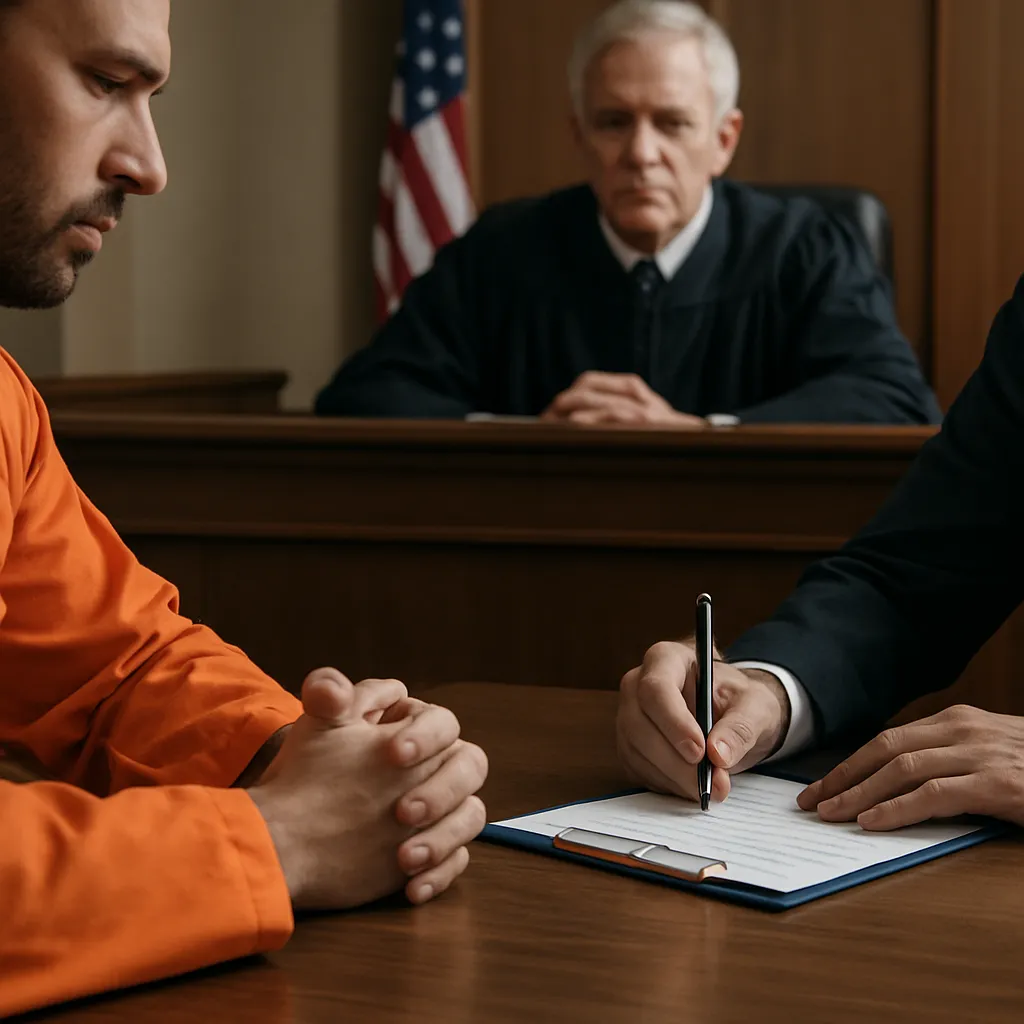
During the arraignment, the defendant appears in court to hear charges and enter a plea. Typical pleas include not guilty, guilty, or no contest. Entering a not guilty plea triggers pretrial activities, as the case moves toward trial.
Bail and Pretrial Motions
After arraignment, a judge sets bail or decides on release conditions. Meanwhile, attorneys file pretrial motions—requests to exclude certain evidence, challenge jurisdiction, or dismiss charges. Successful motions can shape the trial’s scope or even end the prosecution early.
Jury Selection and Pretrial Stage
Building a fair jury and preparing trial strategy are paramount before opening statements.
Voir Dire Process
Voir dire involves questioning prospective jurors to identify biases or conflicts. Both sides exercise peremptory challenges and for-cause strikes to shape a neutral panel. A balanced jury is crucial, as group dynamics influence verdict deliberations.
Discovery and Evidence Exchange
Discovery rules mandate sharing witness lists, documents, and expert reports. The defense reviews the prosecution’s files to plan cross-examination and gather materials for motions. Late disclosures may lead to sanctions or exclusion of undisclosed items.
Opening Statements and Evidence Presentation
The trial proper opens with speeches that outline each side’s theory. They offer a roadmap without arguing facts.
Prosecution’s Case-in-Chief
The prosecution presents witnesses, documents, and physical exhibits. Direct examination uncovers facts supportive of guilt. Key witnesses—eyewitnesses, forensic analysts, or expert psychologists—testify about crime scene details, motive, or intent.
Defense’s Case
After resting the prosecution’s evidence, the defense may call its own witnesses or simply rely on cross-examination. Some strategies focus on creating reasonable doubt, highlighting inconsistencies, or offering an alternate narrative.
Cross-Examination Techniques
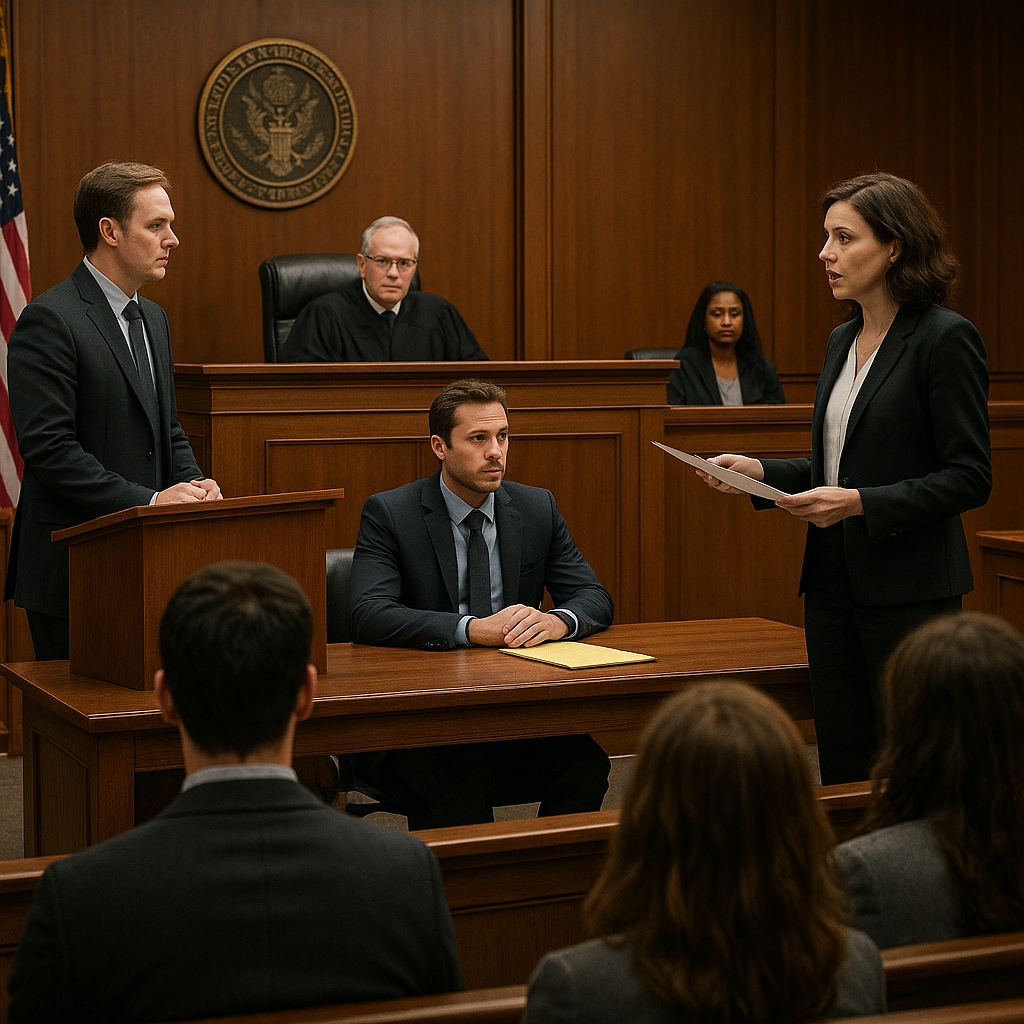
During cross-examination, the defense attorney challenges witness credibility, probes contradictions, and attacks reliability. A skilled cross-examiner can weaken the prosecution’s story and introduce doubt about key points.
Closing Arguments and Jury Instructions
With factual evidence on the table, attorneys strive to persuade the jury one last time.
Summation Strategies
Prosecutors emphasize the strength of their evidence and argue that the defense failed to raise reasonable doubt. The defense highlights inconsistencies, stresses legal standards, and appeals to jurors’ sense of justice and fairness.
Judge’s Instructions
The judge provides legal guidance on burden of proof, elements of the charged offense, and the importance of impartial deliberation. Clear jury instructions are essential to ensure that the jury applies the law correctly when determining guilt or innocence.
Deliberation and Verdict
Once jurors retire to the deliberation room, they analyze testimony, review exhibits, and discuss legal definitions under the judge’s guidance.
- If unanimous, a guilty verdict returns and triggers sentencing proceedings.
- If unanimous not guilty, the defendant is acquitted and released.
- If the jury cannot agree, the judge may declare a mistrial, forcing a retrial or plea negotiations.
Sentencing and Post-Trial Motions
After a guilty verdict, the court schedules a sentencing hearing. Factors include criminal history, offense severity, and victim impact statements.
Sentencing Hearing
Probation officers prepare reports, and both lawyers present arguments. The judge imposes penalties that may involve incarceration, fines, community service, or probation.
Appeals and Relief
The defense can file post-trial motions for a new trial or to vacate the judgment based on legal errors. If denied, an appeal to a higher court challenges procedural mistakes, insufficient evidence, or constitutional violations.
Role of Key Participants
The success of each phase depends on collaboration and advocacy by various professionals.
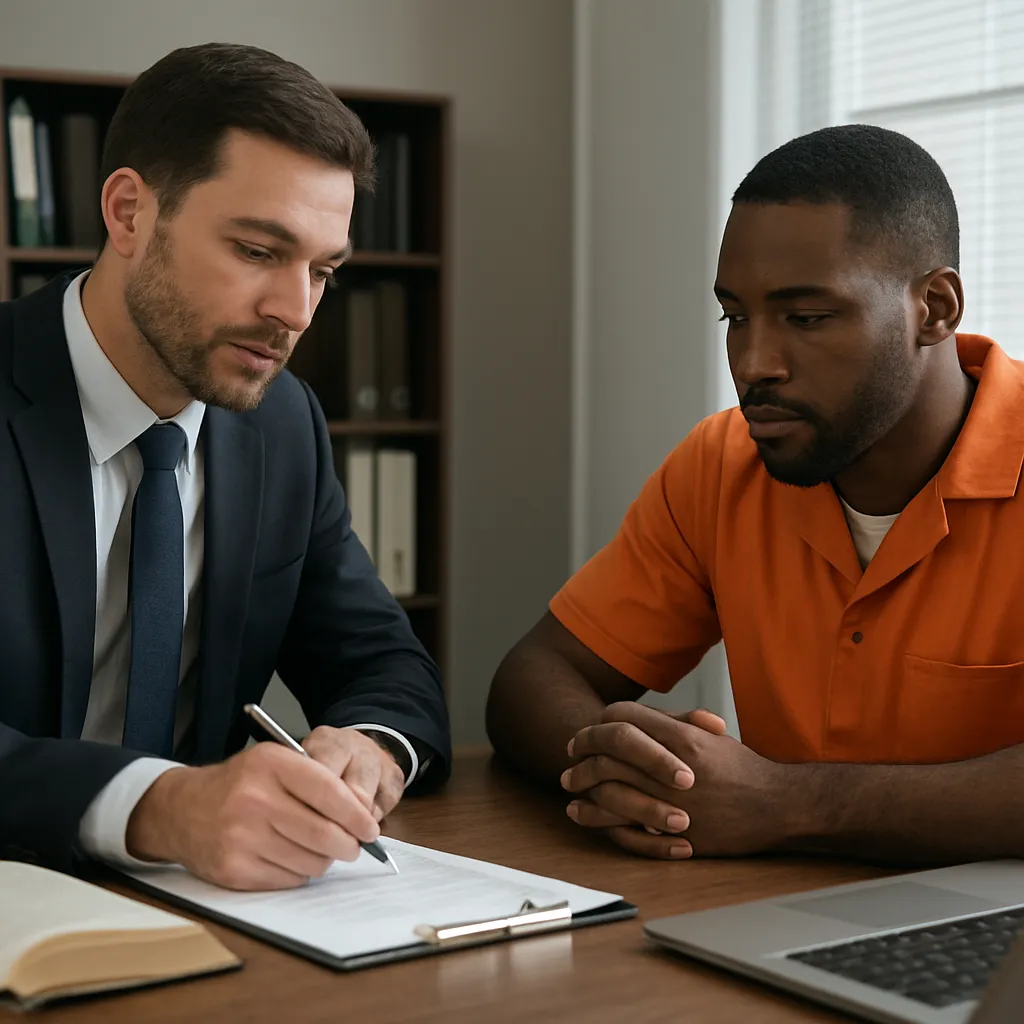
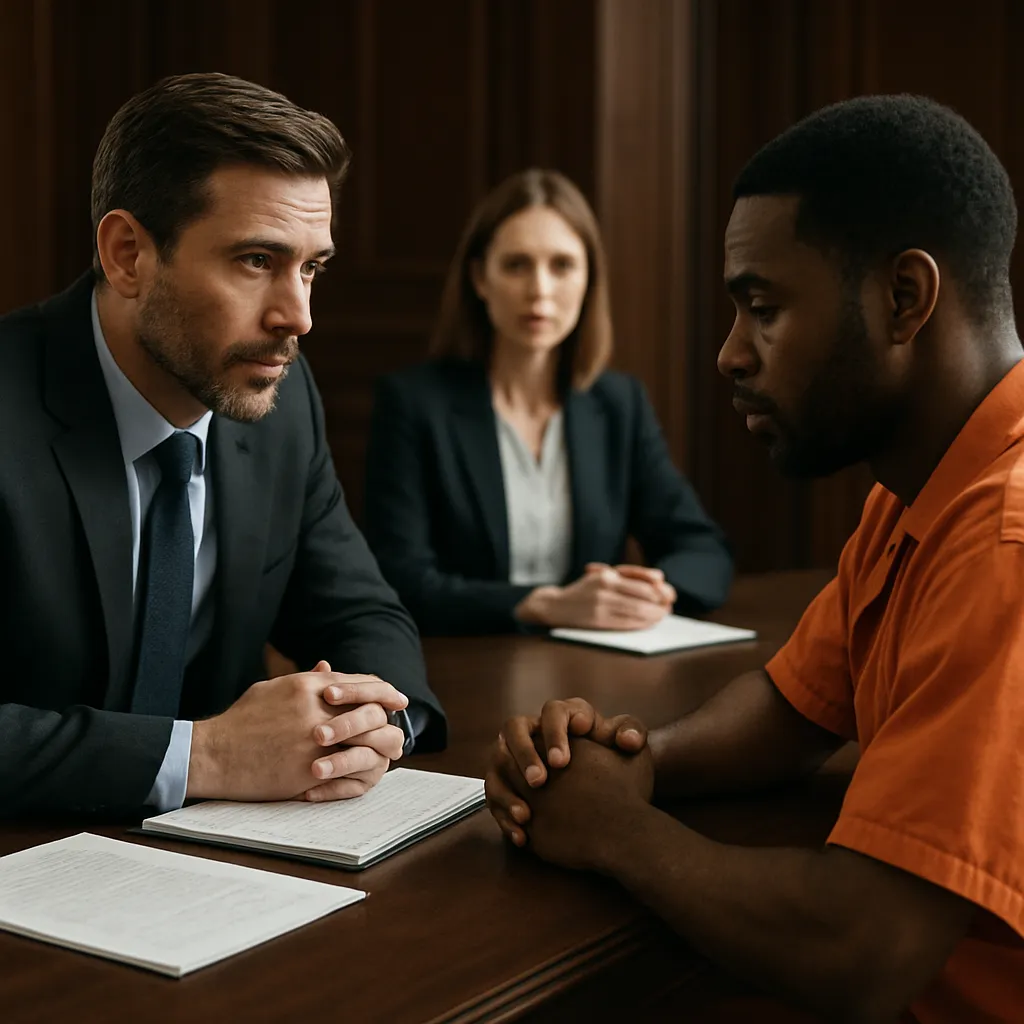
- Defense attorneys protect defendants’ rights, negotiate pleas, and craft trial strategy.
- Prosecutors represent the state, present evidence, and bear the burden of proof beyond a reasonable doubt.
- Judges ensure fairness, rule on motions, instruct the jury, and oversee sentencing.
- Witnesses provide firsthand accounts, expert opinions, or character references during trial.
Understanding Your Rights and Options
Defendants should be aware of critical protections under the Constitution, such as the right to counsel, the right against self-incrimination, and the right to a speedy, public trial. Early consultation with a qualified attorney can clarify legal options, from pretrial diversion programs to plea bargaining or full trial defense. Being well-informed empowers individuals to make strategic decisions at each juncture.