How Criminal Lawyers Defend Clients Charged With Forgery

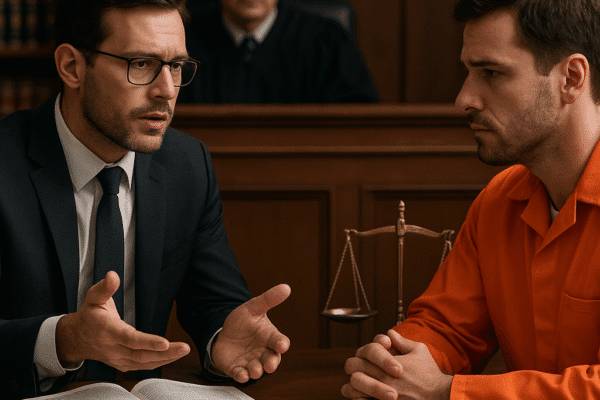
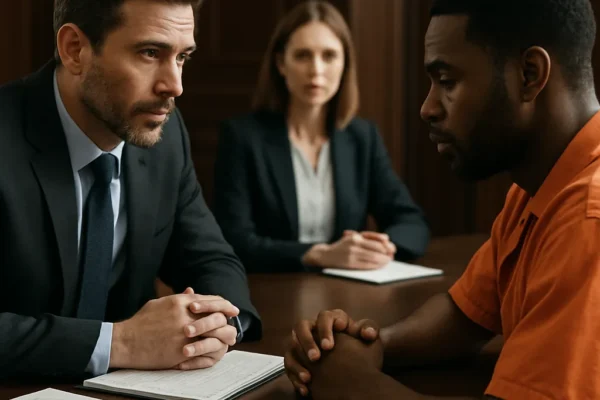
When individuals face allegations of falsifying documents or signatures, the stakes are high. Criminal lawyers play a crucial role in ensuring that every defendant receives fair treatment and a robust defense. By leveraging legal knowledge, procedural safeguards, and persuasive techniques, attorneys seek to protect their clients’ rights and navigate the complexities of a forgery prosecution….

Read More

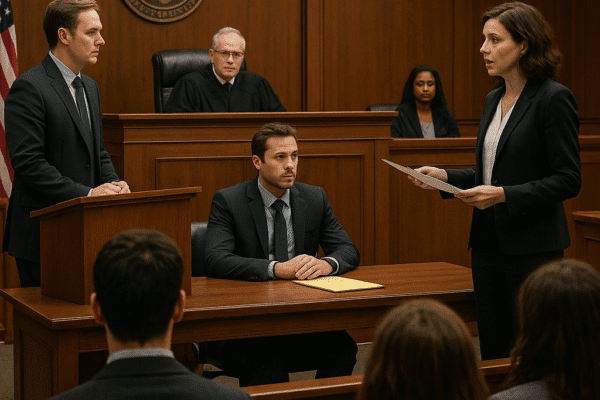
How Criminal Lawyers Build Credibility in Court

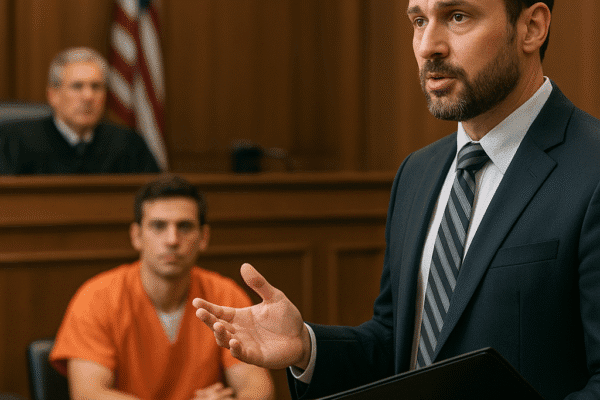
In criminal litigation, the journey from arraignment to verdict is fraught with challenges that test a lawyer’s skill, poise, and command over the process. A defense attorney’s ability to secure favorable outcomes hinges on the careful cultivation of credibility in the eyes of judges, jurors, and opposing counsel. By weaving together meticulous preparation, polished courtroom…

Read More

What Happens During a Criminal Trial

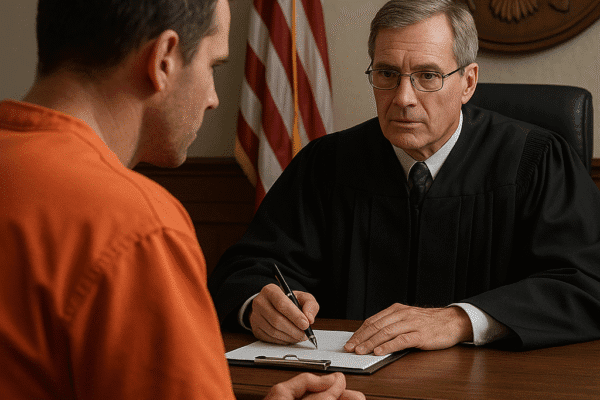
Understanding what unfolds during a criminal trial is vital for defendants, legal professionals, and observers alike. Each stage—from initial charges to the final verdict—relies on procedural rules, strategic decisions by a defense attorney, and the efforts of the prosecution. This guide walks through the major phases, highlighting key players, courtroom dynamics, and critical legal concepts…

Read More

The Difference Between Criminal Defense and Prosecution

The realms of criminal defense and prosecution are integral pillars of the legal system, each dedicated to upholding justice in distinct yet complementary ways. Attorneys on either side must navigate complex procedures, ethical rules, and strategic considerations to protect rights and secure fair outcomes. This article examines how defense lawyers and prosecutors operate, the responsibilities…

Read More
How Does a Grand Jury Work?

How Does a Grand Jury Work?

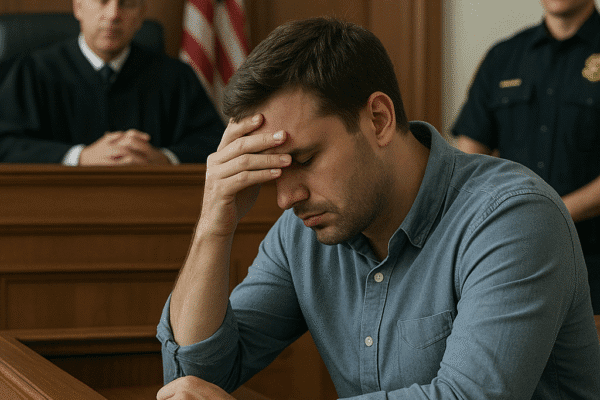
The grand jury system is a fundamental component of the criminal justice process in many jurisdictions, particularly in the United States. It serves as a preliminary step in the prosecution of serious criminal offenses, providing a check on prosecutorial power and ensuring that there is sufficient evidence to bring a defendant to trial. Understanding how…

Read More