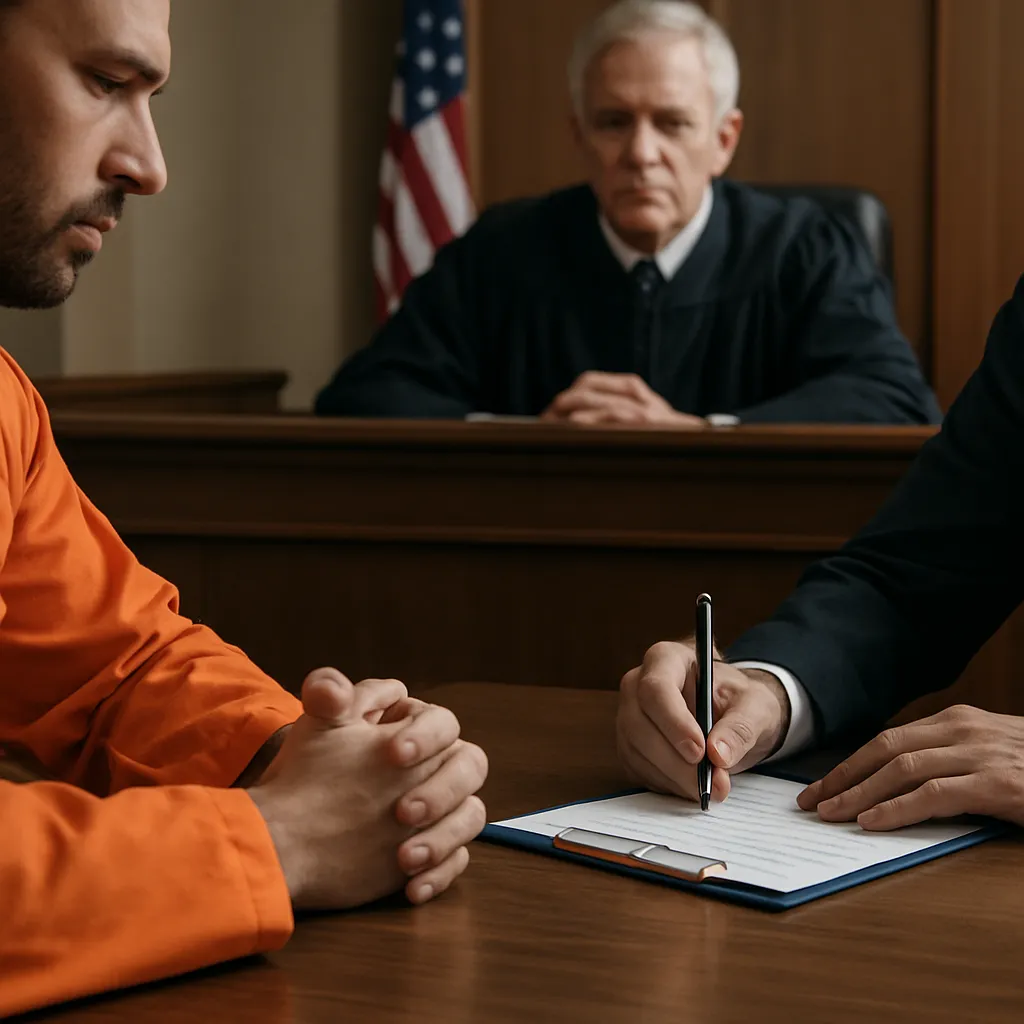
In criminal defense practice, a motion to suppress evidence serves as a powerful tool for challenging unlawfully obtained material. By invoking constitutional protections and procedural safeguards, defense attorneys can seek to exclude incriminating items or testimony from trial. This motion not only tests law enforcement’s compliance with the Fourth Amendment but also shapes the overall legal strategy by focusing on the integrity of police procedures and judicial oversight.
Definition and Purpose of a Motion to Suppress
A motion to suppress is a pretrial request filed by a defendant, typically through counsel, that asks the court to exclude certain evidence from being presented at trial. Its primary objectives include:
- Protecting constitutional rights: Ensuring that the government respects the defendant’s rights against unreasonable searches and seizures.
- Maintaining procedural fairness: Holding law enforcement accountable for proper procedure when gathering evidence.
- Enhancing defense credibility: Demonstrating diligence and advocacy on behalf of the accused.
By focusing on procedural defects, a successful motion can lead to the exclusionary rule being applied, which bars illegally obtained evidence from trial and may significantly weaken the prosecution’s case.
Constitutional and Legal Framework
At the heart of suppression practice lies a framework built upon statutes, case law, and constitutional text. Key pillars include:
- Fourth Amendment: Protects individuals from unreasonable searches and seizures, requiring warrants supported by probable cause.
- Fifth Amendment: Guards against compelled self-incrimination, relevant when evidence arises from custodial interrogations.
- Exclusionary rule: A judicially created remedy that prevents prosecutors from introducing unlawfully obtained evidence.
Landmark Supreme Court decisions such as Weeks v. United States and Mapp v. Ohio firmly established that violations of the Fourth Amendment can lead to suppression. Standing—the defendant’s right to challenge a search—also plays a critical role; only those whose own rights were infringed may move to suppress.
Procedural Steps and Standards
A typical suppression motion follows a structured path:
- Investigation: Defense counsel reviews discovery materials, police reports, and witness statements for constitutional defects.
- Drafting the motion: Clearly articulate factual grounds, legal claims, and supporting authority.
- Filing deadlines: Adhere to local rules; many jurisdictions require motions to be filed days or weeks before trial.
- Suppression hearing: Also known as a “Franks hearing” when addressing warrant affidavits, this evidentiary proceeding allows both sides to present testimony and exhibits.
Probable cause and reasonable suspicion are often contested at this stage. The judge may assess whether the search warrant was supported by a sufficient affidavit or if a warrantless search fell within a recognized exception—such as exigent circumstances, consent, or search incident to arrest.
Strategic Considerations for Criminal Defense
Beyond procedural formalities, a motion to suppress demands careful strategic planning:
- Prioritize key evidence: Focus on items most damaging to the client’s case, such as narcotics, weapons, or incriminatory statements.
- Develop factual record: Conduct interviews, obtain body‐cam footage, and subpoena police dispatch logs to expose inconsistencies.
- Consider creative angles: Challenge chain of custody, excessiveness of force, or improper Miranda warnings.
- Coordinate with plea strategy: Use suppression arguments to negotiate more favorable dispositions if dismissal is unlikely.
By interweaving pretrial motions with broader defense goals, attorneys can leverage procedural victories to secure reduced charges or case dismissals.
Common Challenges and Practical Tips
Mounting an effective motion to suppress presents several hurdles:
- Complex factual scenarios: Multi‐agency operations may obscure which officer conducted the search.
- Incomplete records: Gaps in body‐worn footage or dispatch transmissions can weaken claims of illegality.
- Judicial deference: Courts often give law enforcement the benefit of the doubt on split‐second decisions.
To overcome these obstacles, defense counsel should:
- File targeted subpoenas early to preserve critical evidence.
- Retain experts in forensic analysis or warrant drafting to critique official affidavits.
- Lean on robust case law research to find analogues where similar searches were deemed unconstitutional.
Successful suppression hinges on detail‐oriented advocacy and tenacious pursuit of every procedural safeguard. When executed skillfully, a motion to suppress can transform the trajectory of a criminal prosecution by striking the core evidence relied upon by the state.