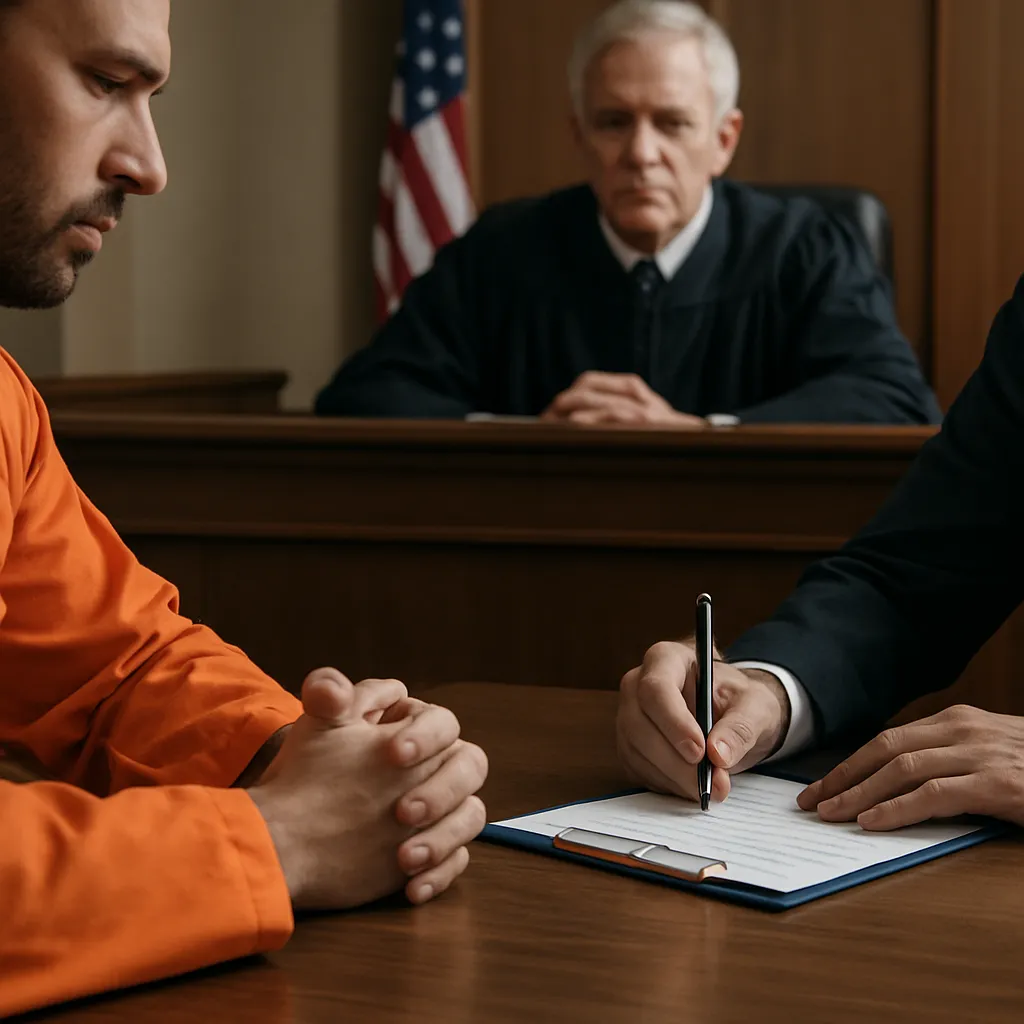
Successfully defending a client accused of perjury requires an intricate blend of legal knowledge, meticulous investigation, and courtroom skill. Criminal lawyers must navigate complex rules of evidence, confront credibility challenges, and uphold constitutional protections to safeguard their client’s future. The following sections delve into key aspects of perjury defense, offering insights into strategy development, procedural maneuvers, and ethical responsibilities that shape a robust legal response.
The Nature of Perjury and Legal Framework
Perjury is defined as knowingly making a false statement under oath in a judicial proceeding. This offense strikes at the heart of the justice system’s reliance on truthful testimony. Understanding the statutory elements and case law precedents is the first step toward an effective defense:
- Willfulness: Prosecutors must prove the false statement was intentional, not an honest mistake.
- Materiality: The falsehood must have the potential to influence the outcome of the proceeding.
- Oath: The statement must have been made under a legally binding affirmation.
Many jurisdictions also impose enhanced penalties if the false testimony involves key witnesses in high-stakes cases. Case law often explores nuances such as retractions, ambiguous questions, and subsequent corrections that can undercut the prosecution’s theory of willful deception.
Statutory Variations Across Jurisdictions
State and federal statutes differ in defining thresholds for materiality and the scope of protected statements. Some courts permit defenses when a witness was unaware they were testifying under oath, while others require explicit oaths in every hearing. A defense attorney must master both local rules of procedure and the Federal Rules of Evidence to identify potential loopholes or procedural defects.
Building a Robust Defense Strategy
Once the legal framework is mapped out, the defense team turns to fact-finding, evidence gathering, and strategic planning. This phase sets the tone for either negotiating a plea or standing trial:
Comprehensive Case Review
- Analyze transcripts and compare them with contemporaneous notes to detect inconsistencies.
- Identify any leading questions or coercive interrogation tactics used to elicit the alleged false testimony.
- Explore the context of the testimony—was the witness confused, fatigued, or relying on third-party reports?
Interviewing Key Witnesses
Defense counsel should re-interview all individuals who participated in the proceeding. Questions for impeachment might include:
- Have you ever corrected your statement on the record, and if so, why was it not officially noted?
- Did you fully understand every question asked under oath?
- Were any interpreters or aides present who could have miscommunicated your responses?
These inquiries can reveal honest misunderstandings rather than deliberate falsehoods, weakening the prosecution’s case.
Forensic and Documentary Evidence
Establishing a timeline and corroborating witness memory with external evidence is crucial. This may involve:
- Mobile phone records to confirm witness location.
- Video surveillance to demonstrate inconsistency between recorded behavior and testimony.
- Expert affidavits on memory reliability and stress-induced recall errors.
Courtroom Tactics and Advocacy
At trial, the defense must cast doubt on each element of the perjury charge. Effective courtroom tactics often hinge on precise motions and persuasive oratory:
Pretrial Motions
- Motion to Dismiss: Argue that materiality is lacking because the alleged false statement did not affect any ultimate fact-finder decision.
- Motion to Suppress: Challenge illegally obtained admissions or confessions regarding the witness’s own statement.
- Motion for Bill of Particulars: Request detailed specification of the exact words and context the prosecution deems perjurious.
Cross-Examination Techniques
During cross-examination, the attorney seeks to expose the witness’s:
- Memory lapses by confronting them with prior inconsistent statements.
- Bias by revealing personal or financial incentives to testify falsely.
- Communication issues by highlighting instances of misunderstanding or hearing impairment.
Precision is vital. Leading questions that box the witness into yes-or-no answers can illuminate reluctance or hesitation, signaling a lack of conviction in their own testimony.
Leveraging Juror Perception
Perception management is a subtle but powerful tool. Body language, tone, and clarity of explanation can sway impartial jurors to view the alleged falsehood as an honest error. Visual aids, such as timelines or document comparisons, underscore the defense narrative and keep jurors engaged.
Ethical and Professional Considerations
Criminal lawyers must balance zealous advocacy with obligations to the court and profession. Defending perjury charges poses unique ethical challenges:
Maintaining Client Confidentiality
Even when a client admits guilt in private conversations, attorneys cannot disclose such admissions without the client’s consent. Instead, counsel should seek alternative theories that preserve confidentiality but still challenge procedural flaws.
Avoiding Frivolous Claims
Rule-compliant advocacy means refraining from filing meritless motions solely to delay proceedings. Courts can sanction lawyers who consistently misuse procedural devices. The defense must ground every tactic in legitimate concerns over fairness and due process.
Upholding the Integrity of Testimony
While it may be tempting to attack a witness’s character relentlessly, the American Bar Association and similar organizations urge respect for the witness’s dignity. Tactics that border on harassment or intimidation can backfire and undermine the defense’s credibility.
Professional Collaboration
Complex perjury cases often require coordination with:
- Investigators who can trace document origins or interview reluctant witnesses.
- Forensic psychologists who testify on memory reliability under stress.
- Ethics counsel to ensure that all defense strategies comply with professional standards.
Such collaboration ensures a well-rounded approach that addresses legal, factual, and ethical dimensions of the case.